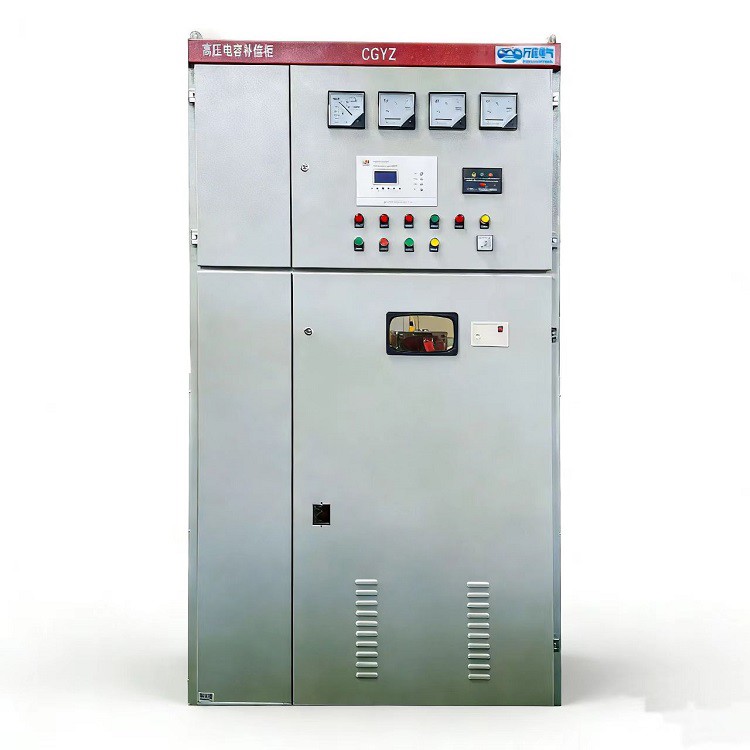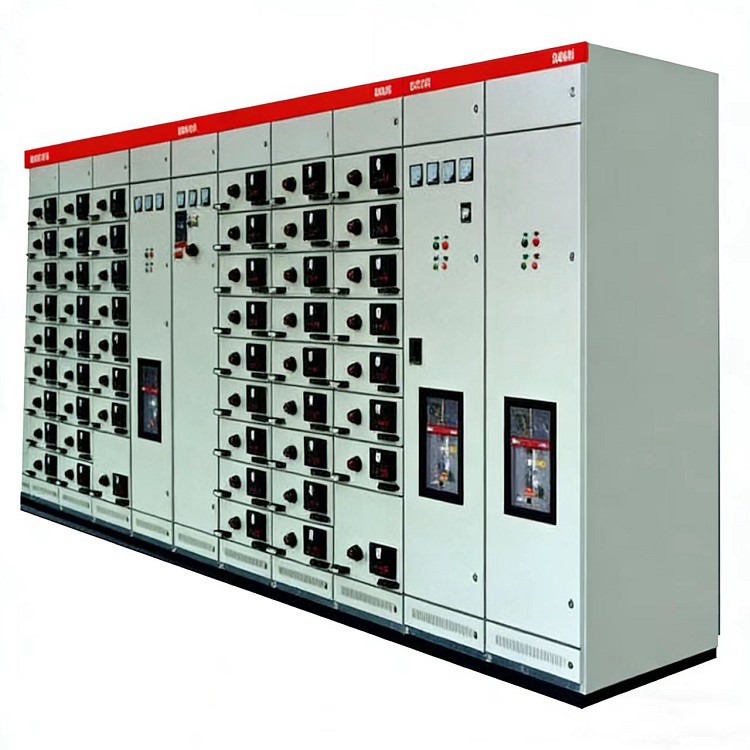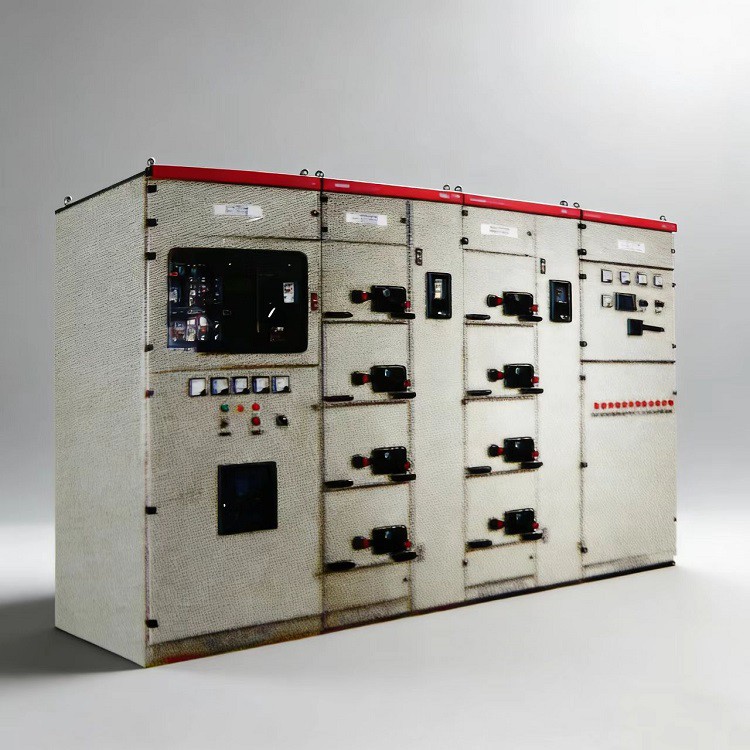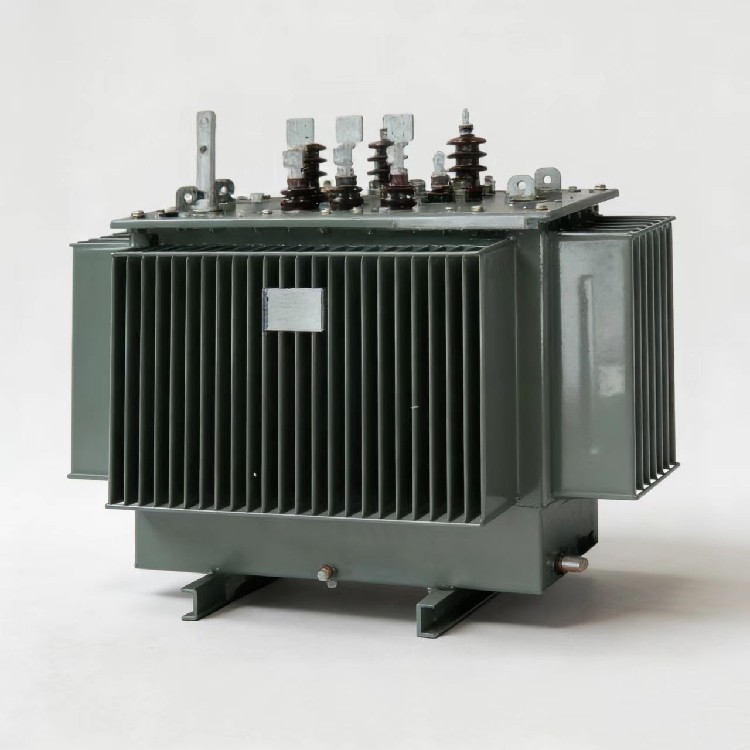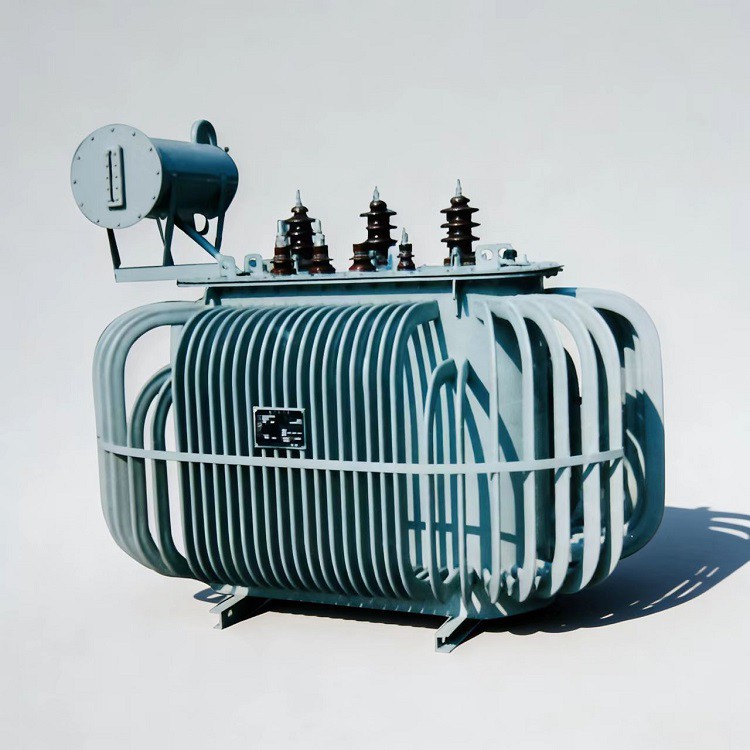
on-load tap-changing distribution transformer
Product description
I. Definition and Principle
No-excitation voltage regulation (also known as off-circuit tap changing) requires the trformer to be completely de-energized and disconnected from the grid (both primary and secondary sides disconnected, no excitation current). By manually or electrically switching the tap changerf the high-voltage winding, the turns ratio is changed to achieve fine adjustment of the output voltage. Switching under load or energized conditions is strictly prohibited (otherwise, arcing wn the switch and cause a short circuit).
Conventional tap range: ±2×2.5% (5 taps in total), corresponding to a total regulation amplitude of ±which is the mainstream configuration for 10kV distribution transformers; some models are ±4×2.5% (±10%).
Typical connection group: Dyn11/Yyn0; corresponding products are available for oil-immersed (S11/S13 series) and dry-type (SCB series).
II. Core Advantages and Disdvantages
1. Advantages: Simple structure, low cost, high reliability, and minimal maintenance; mature manufacturing process, price significantly lower than on-load tap changing models.
2. Dsadvantages: Must be operated with power off, limited regulation frequency; cannot automatically track voltage fluctuations, unsuitable for occasions with frequent voltage changes.
III. Applicable Scenarios
Ruralpower grids, dedicated transformers for small factories, residential distribution rooms, remote transformer districts; terminal distribution points with general requirements for power supply continuity, mild voltage fluctuations, and no need for freqe regulation.
IV. Standard Operating Steps
1. Open the high and low voltage side circuit breakers and isolating switches of the transformer;
2. Test for voltage and install groing wires to ensure no power;
3. Operate the tap changer (manual mechanism on the top of the tank or cabinet face), and record the tap position;
4. Re-test inn and remove grounding wires;
5. Close the circuit to energize and monitor the output voltage.
V. Key Comparison with On-Load Tap Changing
Item | No-excitation Voltage ulation | On-Load Tap Changing (OLTC)
--- | --- | ---
Regulation Condition | Must be de-energized, no excitation | Under load, without power iuption
Price | Low | 30% higher
Maintenance | Almost maintenance-free | Requires regular maintenance and oil replacement
Application | Rural/terminal, infrequent regulation | Urbant industry, frequent regulation
VI. Selection and Procurement Tips
1. Confirm the tap range (e.g., 10±2×2.5% k), capacity, cooling method, and short-circuit impedance;
2. Select oil-immersed or dry-type according to local grid standards, and the protection class;
3. Require a comple test report and tap changer certificate of conformity;
4. Strictly prohibit switching the tap changer under energized or excited
Recommended products