Chinese Gift Box Packaging Manufacturer
Product description
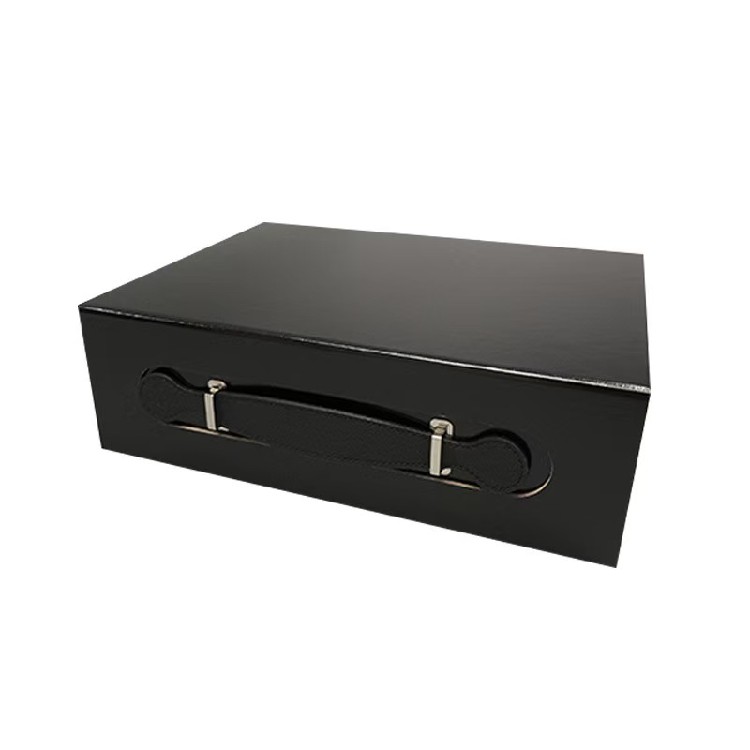
As a category of product packaging, gift packaging boxes must fulfill the basic functions of packaging, namely protecting the product, conveying product information, and promoting the product. They should also facilitate emotional communication between people, enhance the positioning of the gift, and serve as a medium for human emotional connection and a bridge for fostering friendship. Gift packaging boxes are designed by companies for various occasions to package products with the aim of promotion. Therefore, they are crucial for product value addition and sales. High-end gift packaging boxes, in particular, play a vital role. Gift boxes can be categorized by material into paper gift boxes, wooden gift boxes, plastic gift boxes, transparent plastic gift boxes, aluminum gift boxes, and tinplate gift boxes. By product type, they mainly include tea gift packaging boxes, local specialty gift packaging boxes, etc.packaging box manufacturer
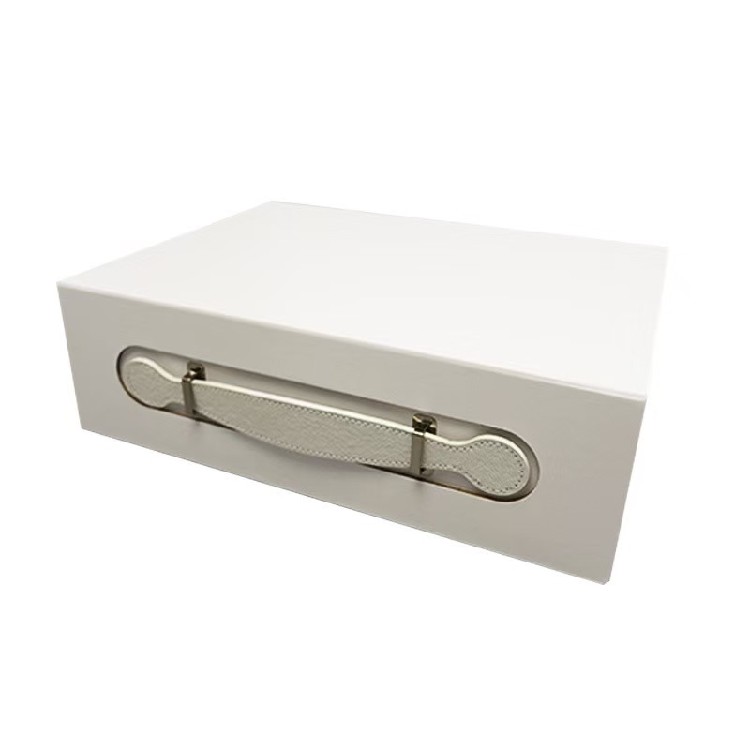
As people dress to look their best and beauty relies on proper makeup, products too require not only good quality but also appropriate, tasteful, and attractive outer packaging. Especially in the brand era, besides storage, preservation, and moisture resistance, gift boxes and outer packaging also serve to enhance aesthetics, increase brand awareness, and add value. One can imagine that in today's commodity economy, when final consumers choose products like tea gift packaging, they will pay attention not only to the product itself but also to its outer packaging. For instance, with products suitable for gifting such as tea, local specialties, bird's nest, and cordyceps, a custom, tasteful, and eye-catching packaging gift box can not only make consumers like it and boost sales but also significantly increase the product's value. Gift packaging boxes can achieve the purpose of enhancing tea brand awareness and increasing product added value.paper box factory,custom packaging manufacturer
To serve a promotional role, packaging design must first capture consumers' attention, as only products that catch attention have the possibility of being purchased. Therefore, packaging should use novel shapes, vibrant colors, attractive patterns, and distinctive materials to create a striking effect that immediately generates strong interest in consumers. Unique and novel shapes can attract attention. For example, wine bottle designs often feature cylindrical forms, but some mimic complex shapes like anchors or human figures, standing out prominently among a line of cylindrical or rectangular bottles.
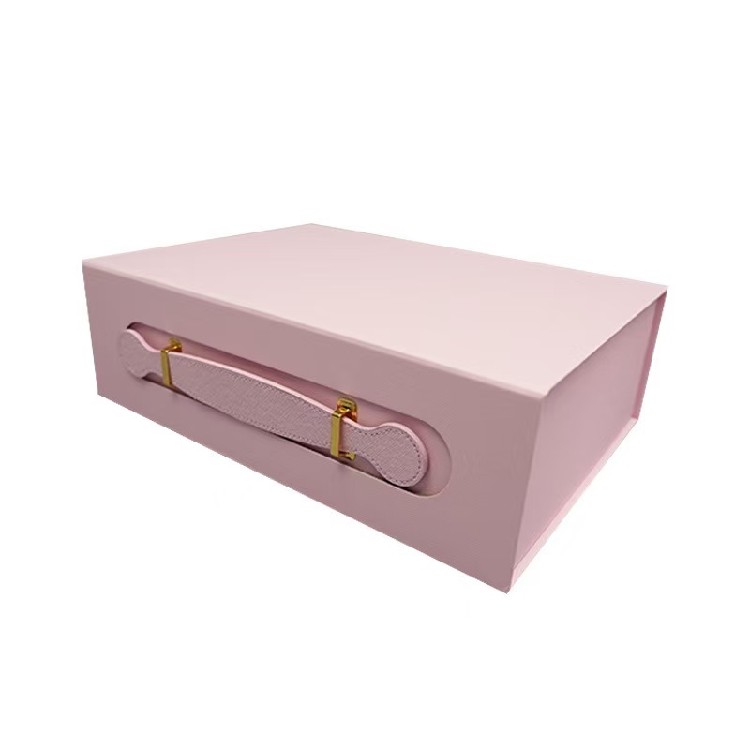
Color is the easiest aspect for people to perceive, and some market scholars even consider it the first factor determining sales. Through long-term market research, they found that certain colors can make products surprisingly unsalable; gray is one such color. They argue this is because gray fails to stir emotions, thus not generating purchase impulses. They propose red, blue, white, and black as the four key sales colors, identified by comparing images of these colors with green, orange, yellow, and brown. Take red, for example: it has the most associated images, including the sun, fire, and blood—strongly linked to life—making it most likely to excite people. Blue, white, and black are also closely related to the sun: the sun hangs high in the blue sky, sets to bring night, and rises at dawn to paint the east with a pale white hue. These four colors govern our daily rhythm and, as sales colors, can evoke consumer goodwill and interest, a view with some validity. Patterns work in conjunction with color. The \"Snow Lotus\" cashmere sweaters' paper box features a soft light green background with raised white snow lotus patterns, exuding elegance and drawing attention. The \"Western Han Ancient Wine\" bottle has a red base with an ancient black patterned label. Its packaging box, with a (withered grass yellow) background and four bold, solemn black seal characters \"Western Han Ancient Wine,\" resembles an old storyteller recounting distant tales, standing out uniquely among a row of colorful bottles.gift box supplier
Generally, packaging patterns should primarily highlight the brand logo, fully displaying its characteristics so consumers can immediately recognize a product from its logo and overall packaging, especially for branded products and stores. A prominent logo on packaging can instantly attract consumers. Material changes in packaging also capture attention. For example, Shandong's exported ceramic gifts use uniquely crafted corn husk hand-carried cases, utilizing surplus rural labor and transforming abundant local cheap materials into folk (characteristic), elegant craft packaging, offering more artistic appeal than ordinary paper boxes. Sichuan's famous \"Twisted Silk Rabbit\" food, originally packaged in red rectangular boxes, now uses finely woven bamboo strips to form a unique cylindrical container, creating an unforgettable impression with its distinct beauty.
Recommended products