Packaging design, printing, materials, processes and precautions for book-shaped boxes of foreign trade companies
Product description
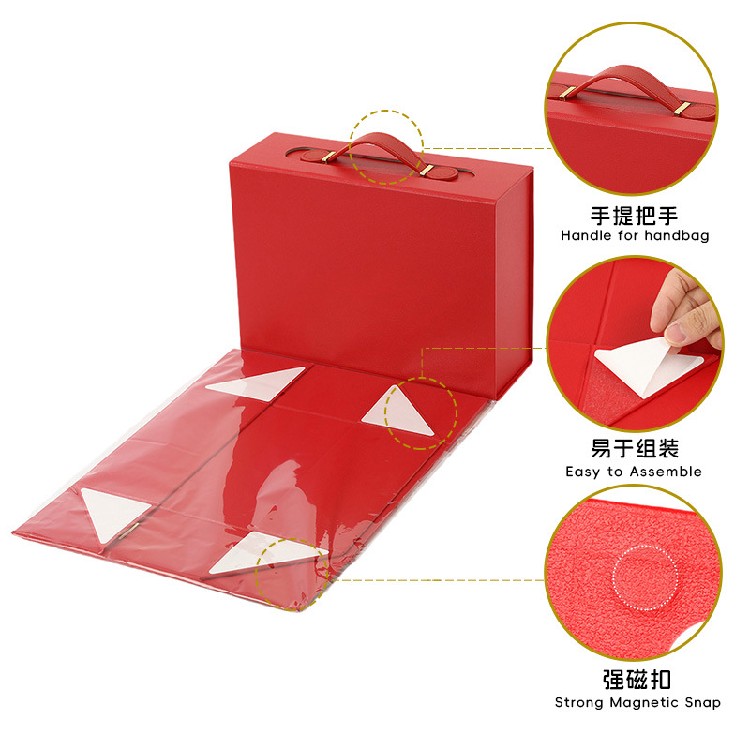
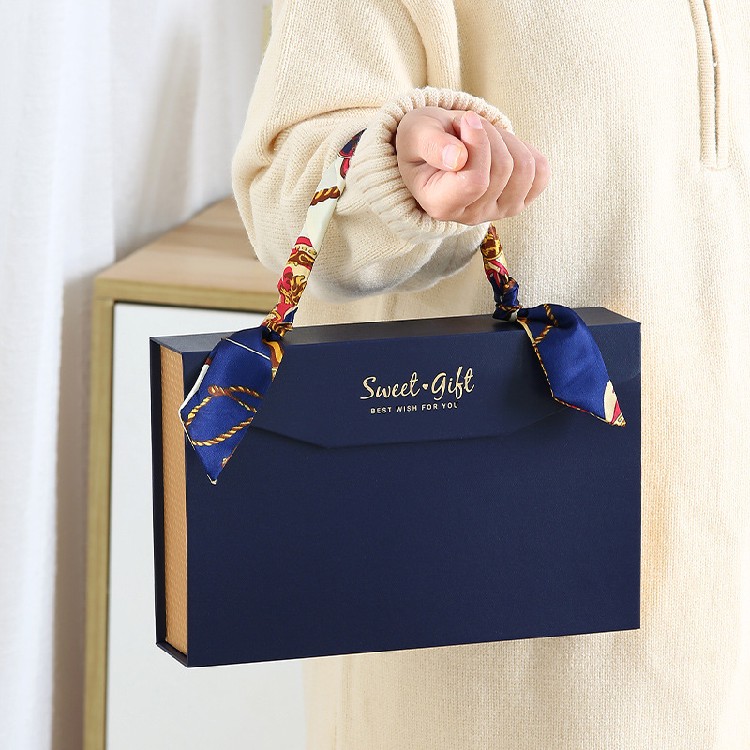
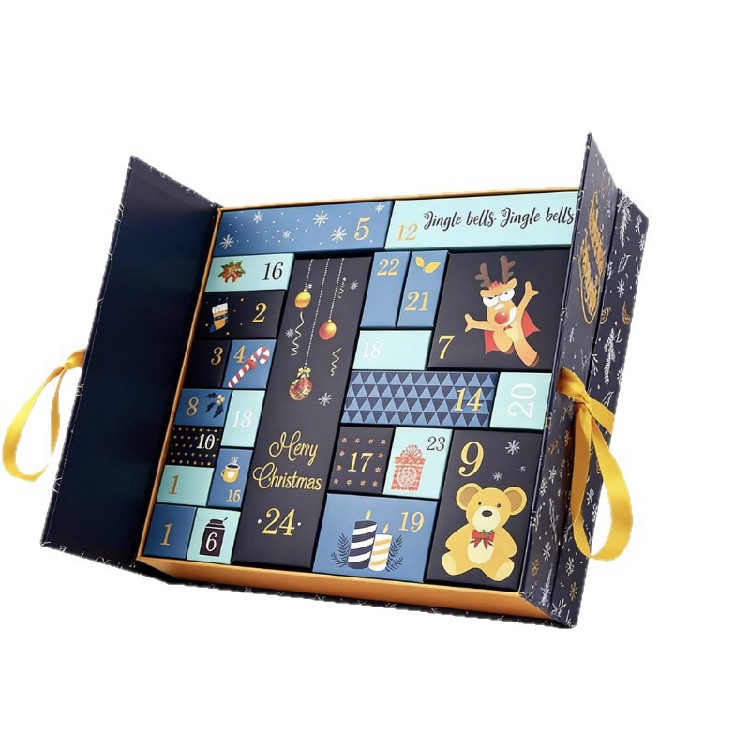
ok-shaped boxes, also known as flip-top book-style gift boxes and hardcover book-style boxes, are the preferred box type for high-end customization, brand display, cross-border gifting, and premium retail scenarios in foreign trade export packaging. Leveraging their core advantages of symmetrical flip lids, spine opening/closing, structured integrity, and premium texture, they are widely used in foreign trade export categories such as cosmetics & skincare, jewelry accessories, 3C electronics, light luxury leather goods, health supplements, cultural and creative gifts, and premium food products. Compared to ordinary top-bottom lid boxes and folded color boxes, book-shaped boxes offer strong protection, a sense of ceremony, and powerful brand communication. They can meet the stringent transportation requirements of long-haul sea, air, and cross-border land transport while precisely aligning with overseas customers' aesthetic and quality expectations for premium packaging. They are among the most professionally demanding and strictly detail-controlled box types in foreign trade packaging systems. For foreign trade enterprises, implementing book-shaped boxes should not merely focus on visual appeal but must center around six core areas—export compliance, cross-border transportation, printing accuracy, material stability, process compatibility, and customs clearance safety—for full-process standardized control to avoid frequent issues in foreign trade exports such as color differences, edge lifting, deformation, glue separation, customs clearance obstacles, and customer rejections.
I. Core Structural Design Specifications for Foreign Trade Book-Shaped Boxes,foldable paper box
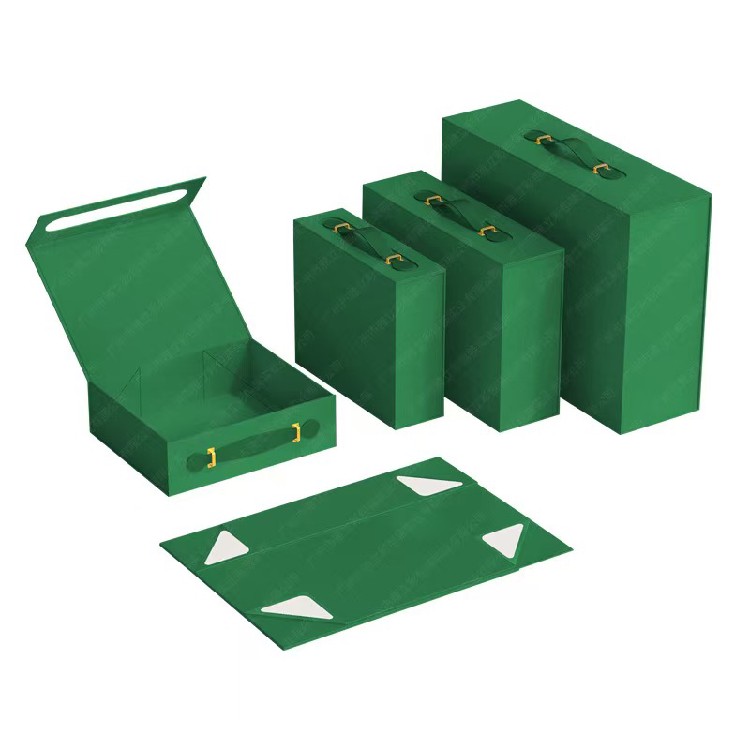
Book-shaped boxes belong to (hardcover rigid box) structures, consisting of six main parts: box body, flip lid, spine connection area, bottom, inner tray, and closing accessories. The design core lies in precise structure, smooth opening/closing, impact resistance, and size adaptability, rather than mere visual aesthetics.cosmetic packaging box
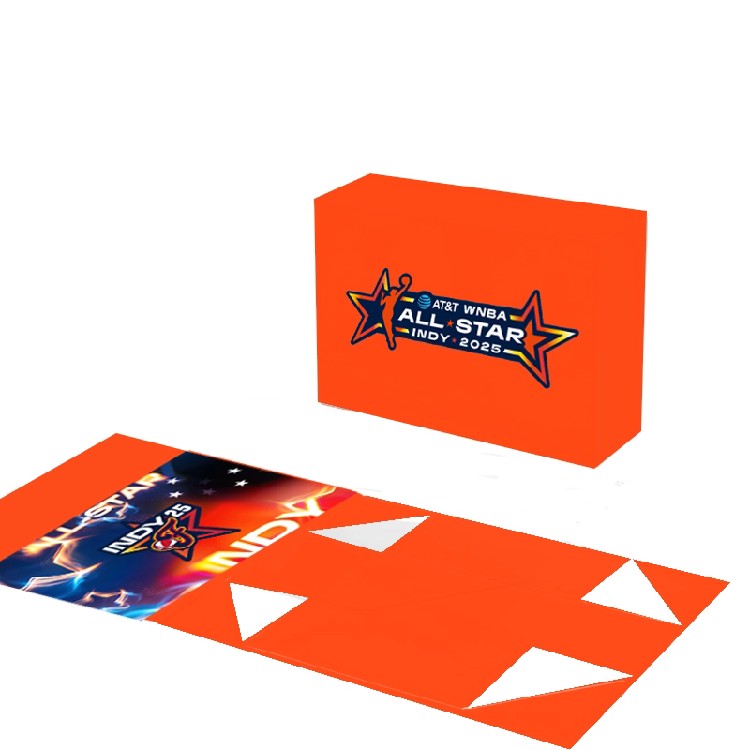
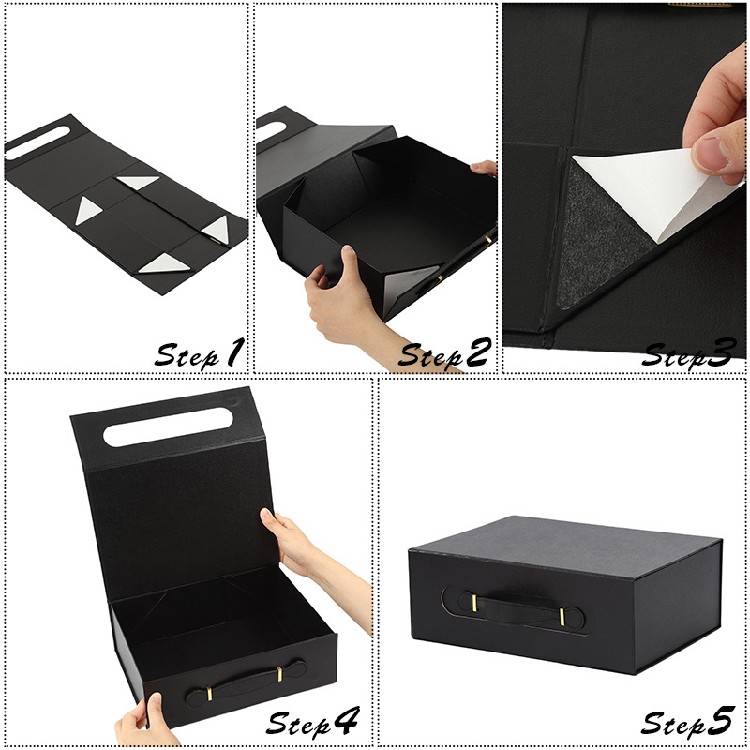
Foreign trade-specific design must first strictly adhere to standardized unfolded diagrams. All die-cutting diagrams must be created using vector files, fully annotated with fold lines, bleed areas, die-cutting positions, bonding positions, and clear space areas. Directly (production by splicing bitmap plates) is strictly prohibited. To address long-distance cross-border transportation, the gap between the flip lid and box body must be controlled within 0.5mm to ensure smooth opening/closing while preventing lid displacement and product movement due to transportation vibrations. The spine connection area, as the structural stress core of the entire box, must feature reinforced folding edges and resilient bonding design to prevent breakage and delamination after repeated opening/closing.
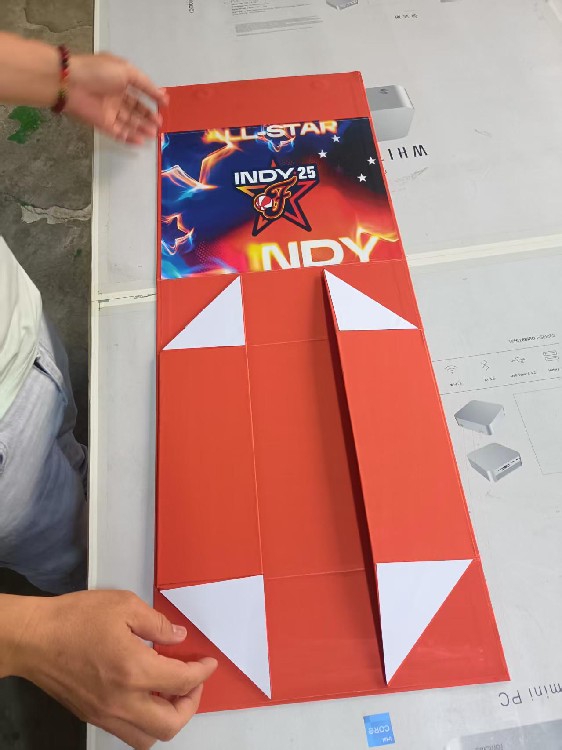
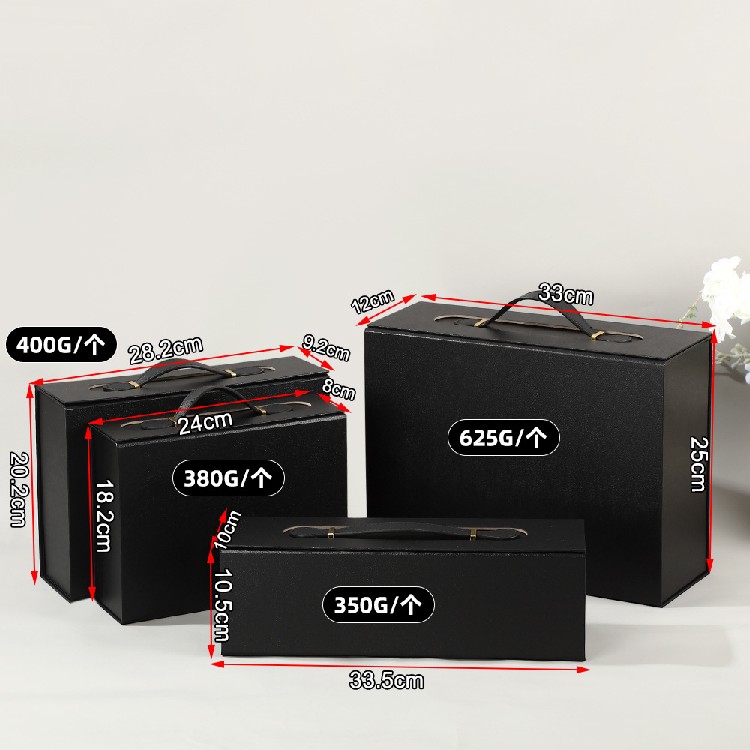
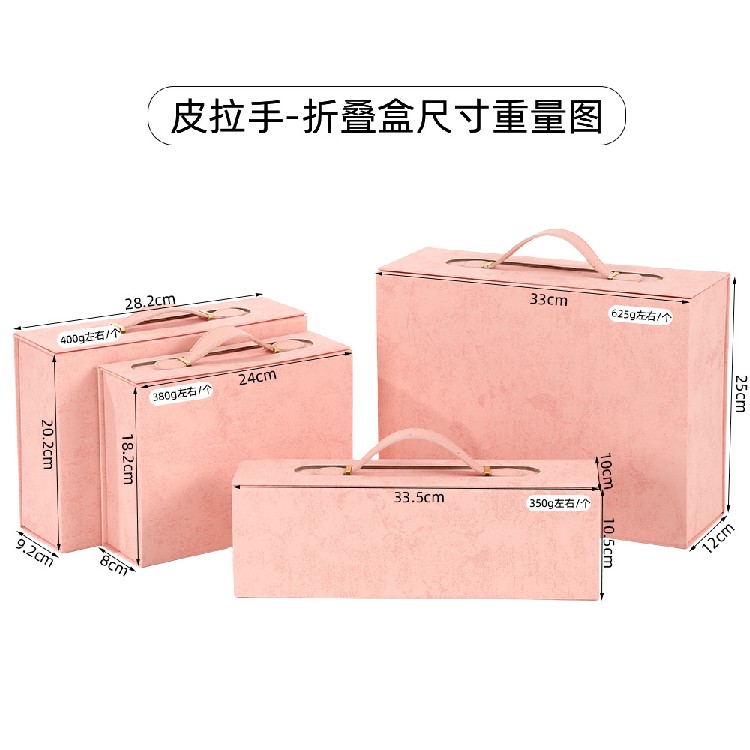
In terms of size design, foreign trade book-shaped boxes must follow the principle of prioritizing product internal diameter. First confirm the bare product dimensions, inner tray occupancy, and moisture-proof buffer allowance of the exported product, then calculate the external dimensions, while reserving anti-pressure allowances for overseas warehouse stacking and container loading. Conventional external dimension errors must be strictly controlled within ±0.3mm to avoid problems such as excessive gaps, stack collapse, and cargo space waste during mass packing. Additionally, foreign trade designs must pre-reserve barcode areas, certification label areas, ingredient label areas, traceability code areas, and multilingual warning areas, ensuring these do not cover process, fold, and bonding positions to meet label compliance requirements of different overseas markets such as Europe, Southeast Asia, and the Middle East.China custom box factory
II. Foreign Trade-Specific Printing Standards and Requirements
The core printing requirements for foreign trade packaging are cross-border color consistency, batch uniformity, export environmental friendliness, and resistance to friction and fading. All printing processes must be completely distinct from domestic general packaging and strictly adapted to overseas customers' visual acceptance standards.eco friendly packaging box
First, the printing mode must uniformly adopt CMYK four-color printing. Direct use of RGB screen colors for output is strictly prohibited; RGB colors are only for design previews and cannot be used for actual printing, which easily leads to excessive color differences between overseas customers' screen images and physical products, causing order rework. For small-batch high-end foreign trade orders, spot color printing can be added for brand logos, standard colors, and core visual elements to enhance color purity and recognizability, suitable for light luxury and cosmetics export products.
For printing methods, large-volume foreign trade shipments preferably use offset lithography for its stable color, fine halftones, suitability for large-area solid colors and intricate patterns, and cost-effectiveness. For small-batch sampling and quick-response orders, digital printing can be adopted for its no-plate-making requirement and fast delivery, though color saturation and wear resistance are slightly inferior to offset printing and cannot be used for mass production.
Foreign trade printing must reserve a standard 3mm bleed area, which can be relaxed to 5mm for local irregular patterns to completely eliminate white exposure and incomplete cutting issues. A 3-5mm safe margin must also be set, with core text, logos, and barcodes kept away from die-cutting and fold lines to avoid content loss after die-cutting. For high-humidity and high-temperature maritime environments, environmentally friendly inks resistant to friction, folding, and smearing must be selected to prevent image blurring, fading, and sticking after long-distance transportation.
III. Color Control: Core Quality Control Point for Foreign Trade Exports
Color is the first standard for accepting foreign trade book-shaped boxes and a high-frequency source of cross-border order disputes. A full-link color control system from design to finished product must be established.
At the design stage, international (Pantone color cards) must be uniformly used to annotate spot colors, and precise color values must be marked for CMYK four-color printing. Oral descriptions, screen color picking, and vague color determination by referencing old samples are strictly prohibited. Before mass production, international standard digital samples/paper spot color samples must be provided, confirmed in writing by overseas customers, and sealed for plate making. Three copies of the sample must be retained by foreign trade business, factory quality control, and the customer, serving as the basis for mass inspection.
Strict foreign trade color difference standards are enforced: overall color difference ΔE ≤ 3, core logo and brand standard color difference ΔE ≤ 2, fully meeting the inspection requirements of overseas supermarkets and brand owners. Cross-border transportation color difference risks must also be mitigated: for matte surfaces and special paper materials, same-material and same-process samples must be made in advance. For long-term maritime lighting and humid conditions, light-resistant and color-stable inks must be selected to avoid yellowing, discoloration, and fading upon arrival at the destination country.
Additionally, different overseas market color preferences must be considered: European and American markets prefer low-saturation Morandi tones, minimalist black and white, and wooden tones; Middle Eastern markets favor heavy luxurious colors like gold, navy blue, and burgundy; Southeast Asian markets prefer bright and cheerful colors. Customization should combine the aesthetic preferences of the target country to enhance product market acceptance.
IV. Material Selection for Foreign Trade Book-Shaped Boxes: Precise Matching by Export Grade
Materials directly determine the hardness, stiffness, moisture resistance, transportation safety, and cost controllability of book-shaped boxes. Foreign trade material selection must be strictly graded according to product positioning, transportation method, destination environment, and environmental requirements, avoiding blind selection of high-end materials causing cost waste or thin materials leading to transportation damage.
1. Skeletal Base Material (Core Load-Bearing Layer of the Box)
The skeletal base material determines the box's compressive strength. High-density gray board is commonly used in foreign trade, with thickness and grammage perfectly matching transportation scenarios:
- Economic Export: 1.5mm/1200g gray board, suitable for lightweight small commodities, regular domestic-to-export conversions, and short-distance cross-border transportation, offering cost control and neat forming.
- Standard Foreign Trade: 2.0-2.5mm/1500g gray board, the universal bestseller choice, providing sufficient hardness, anti-squeezing, and anti-deformation properties, compatible with all maritime and air transport scenarios, and the preferred choice for cosmetics, electronics, and health supplement exports.
- Premium Luxury Type: 3.0-3.5mm/1800-2000g gray board, suitable for jewelry, watches, premium leather goods, and gift sets, offering a substantial feel and premium texture, aligning with overseas premium brand positioning.
Low-density slag gray board must be strictly avoided, as this material easily softens, deforms, and collapses when damp, completely failing to withstand long-distance cross-border transportation.
2. Face Paper Material (Printed Appearance Layer)
The face paper directly affects printing results and tactile sensation. Mainstream foreign trade selections include:
- 157g-200g coated paper: Offers extremely high color reproduction, suitable for full-color printing and high-definition patterns, optimal cost-performance ratio, and ideal for mass-market foreign trade premium products.
- 250g-300g white cardstock/matte coated paper: Better stiffness and premium matte texture, no glare, enhancing brand tone.
- Specialty Papers (Pearlescent paper, imitation leather paper, textured paper, kraft paper): Used for high-end exports, offering delicate touch and unique texture, highlighting quality without complex processes. Imitation leather paper, being waterproof and scratch-resistant, is suitable for high-humidity maritime routes.
- Food-grade contact materials: For high-end food and oral health supplement exports, food-grade face papers and adhesives compliant with GB 4806.8, EU FDA, and LFGB certifications must be selected to meet customs clearance compliance requirements.
3. Inner Tray and Auxiliary Materials
Inner trays focus on product protection. Common foreign trade options include EVA flocking, pearl cotton, cardboard suction molds, and wet-molded pulp
Recommended products