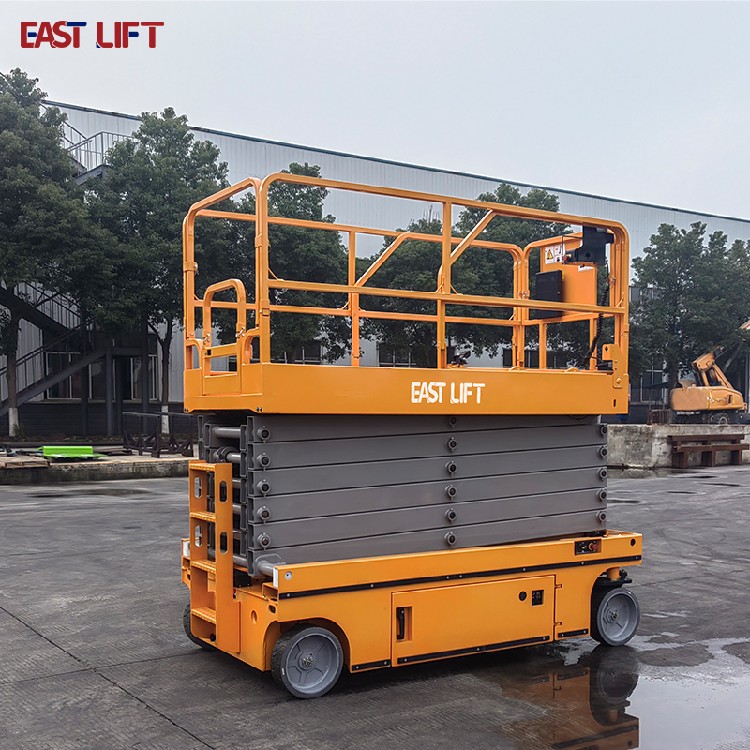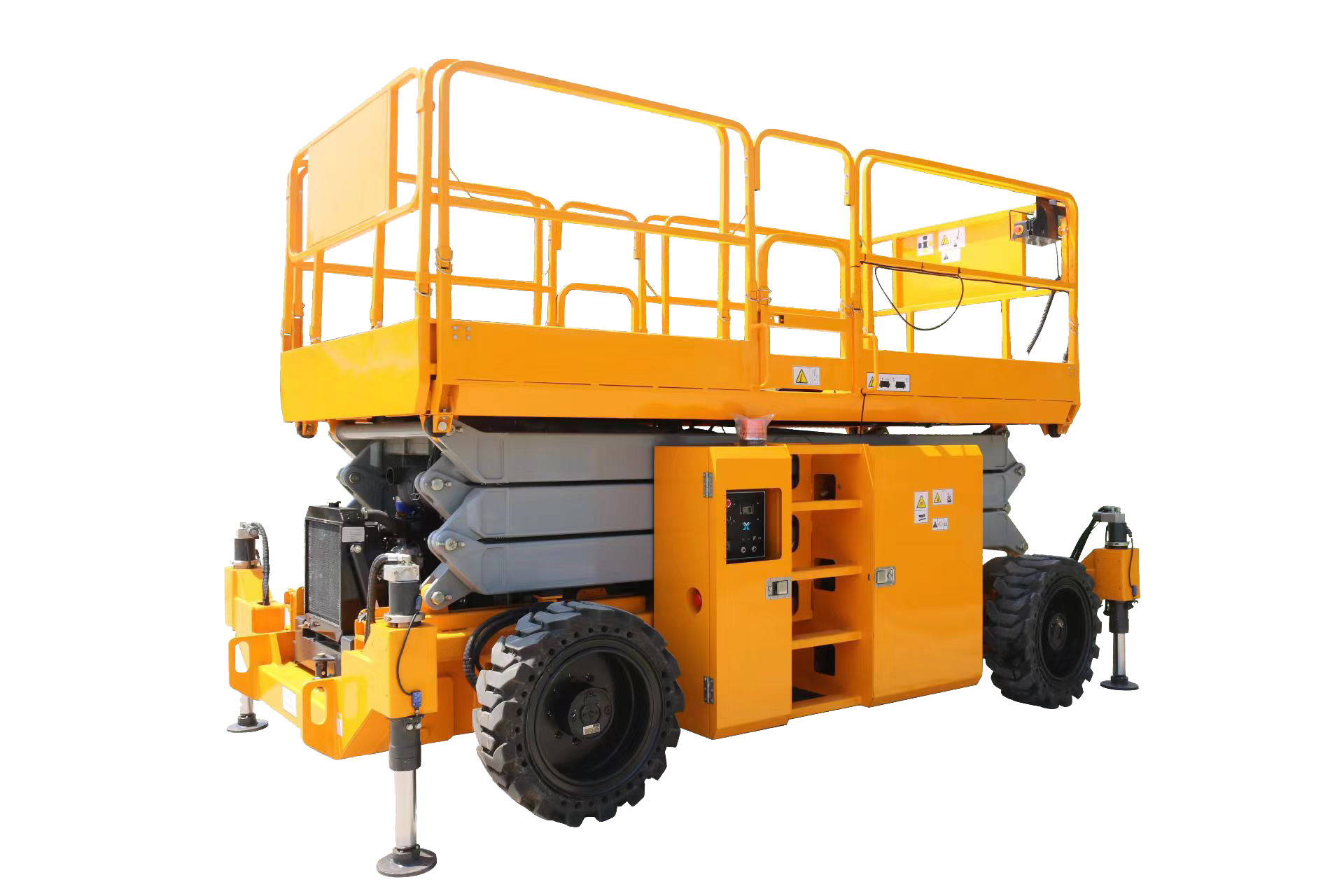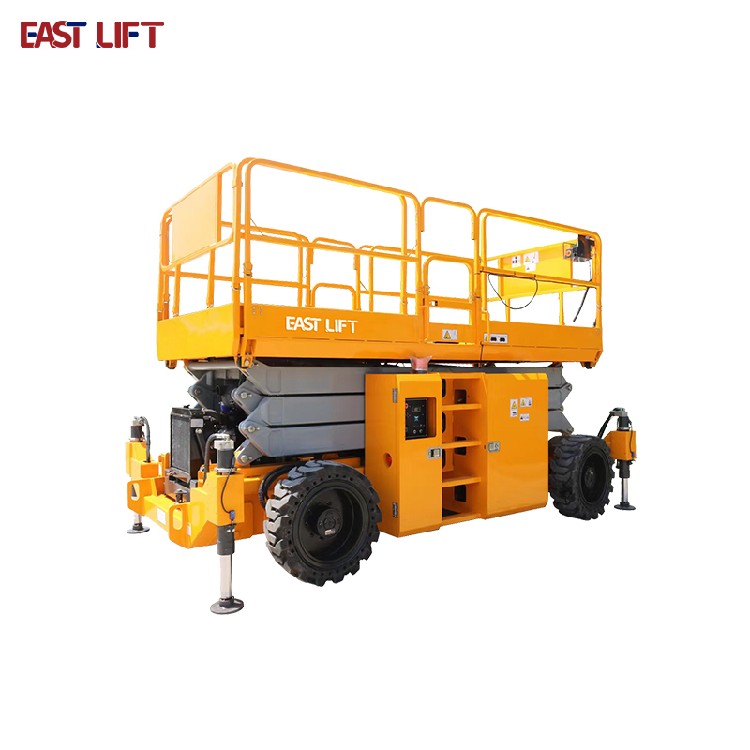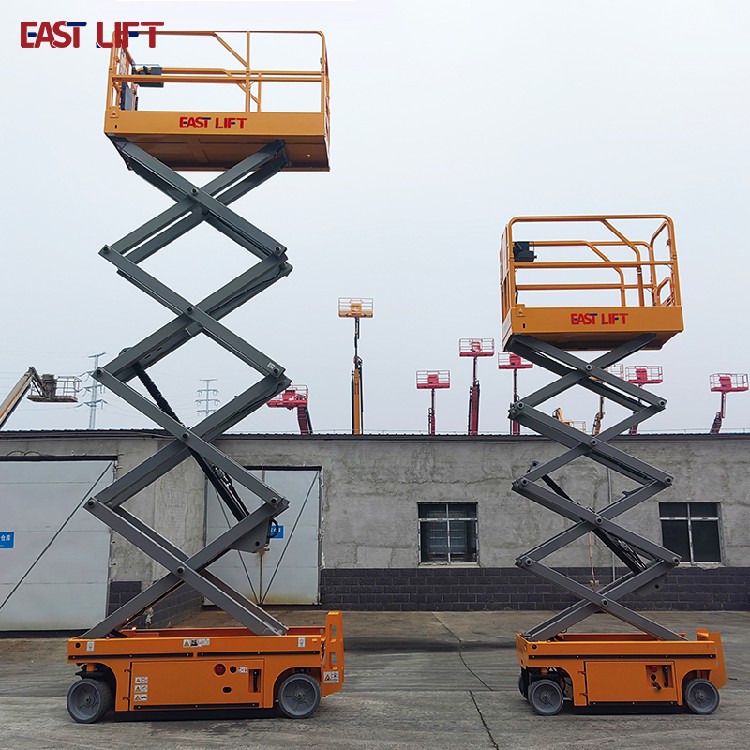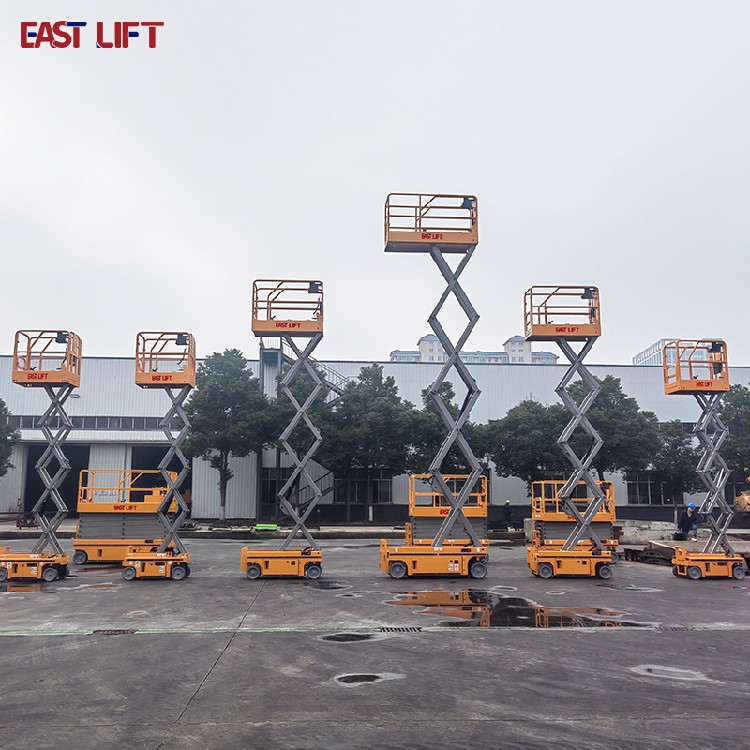

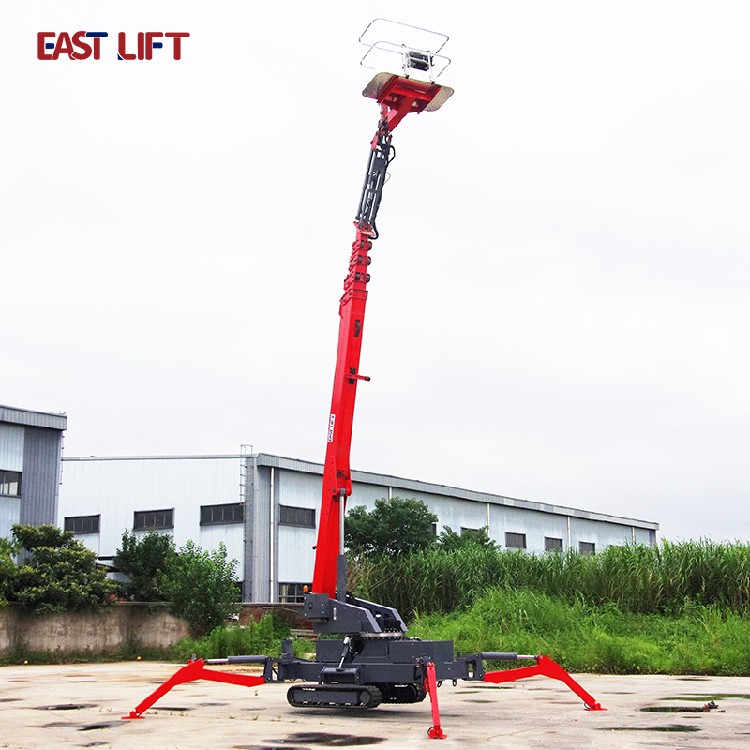
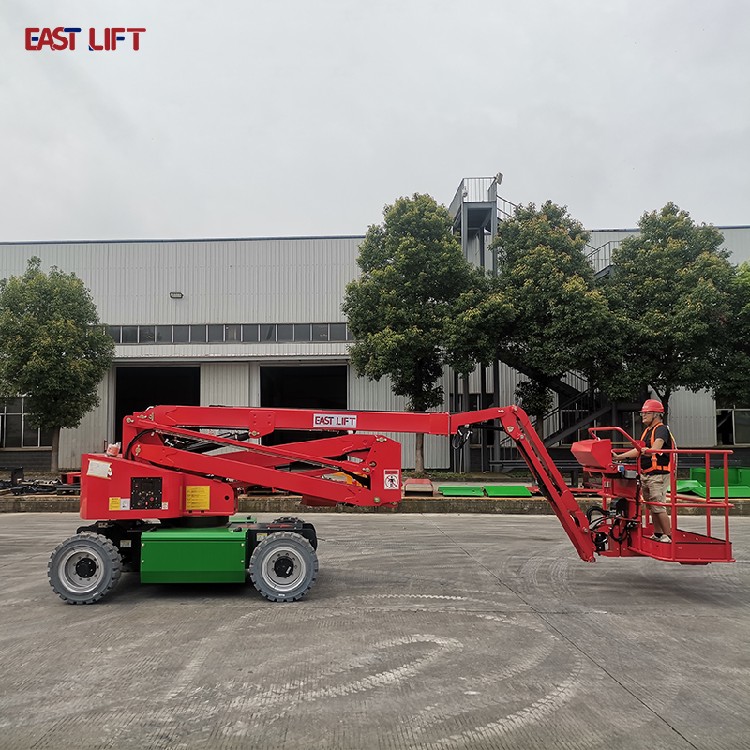

What are the safety hazards of aerial work platforms?
Product description
What are the safety hazards of aerial work platforms?
Aerial work platforms, with their convenience and high efficiency, have become commonly used equipment in various scenarios such as construction, daily maintenance, and municipal engineering. However, during use, improper operation, neglected inspection, or inadequate maintenance can easily lead to potential safety hazards, affecting the safety of operators and the normal operation of equipment.
Common hazards in aerial work platforms
Safety hazards of aerial work platforms mainly focus on three aspects: the equipment itself, operating procedures, and environmental adaptation. Understanding these hazards in advance can help avoid them in a targeted manner.
1. Hidden dangers of the equipment itself
Equipment failure is one of the main causes of safety accidents. Common problems include: Hydraulic system leakage, which leads to unsmooth lifting or sudden platform falling; Electrical system faults, which cause power failure and loss of control; Damage to safety devices, such as insensitive alarms when the machine tilts; Severely worn tires or insufficient air pressure, which affect the stability of the equipment. These hazards are mostly caused by untimely maintenance and aging parts during long-term use.
2. Hidden dangers caused by non-standard operation
Non-standard operation by operators is an important cause of safety hazards. Inexperienced workers operate the platform without professional training and are not familiar with the equipment procedures; overloading during operation, exceeding the load capacity of the equipment; irregular operation during lifting and moving, such as moving the platform before it stops stably, adjusting the angle at will during aerial work, operators not wearing safety belts, shaking or climbing on the platform.
3.Hidden dangers in environmental adaptation
Unsuitable working conditions can also bring safety risks. During outdoor work, bad weather such as strong winds, heavy rain, or thunderstorms may easily cause the equipment to tilt or lose control. Uneven, pitted, or obstructed ground will affect the stability of the equipment and cause overturning. During indoor work, narrow spaces and insufficient lighting can easily lead to equipment collisions or operational errors.
How to Avoid Potential Hazards of Aerial Work Platforms
In view of the above common hazards, effective risk reduction and safe operation can be achieved as long as proper equipment inspection, standardized operation, and suitable working environment are ensured.
1.Conduct equipment inspection and maintenance properly
Before operation, conduct a comprehensive inspection of the equipment. Check in advance whether the hydraulic system leaks, the electrical circuits are intact, and the safety devices work properly. Check tire wear and air pressure to ensure they meet usage requirements. If any fault or abnormality is found, stop using the equipment immediately and repair it in time. Never operate the equipment with hidden dangers. At the same time, maintain the equipment regularly, replace aging parts, and add lubricating oil to keep the equipment in good condition.
2. Standardize operating procedures
Operators must receive professional training, be familiar with equipment operation and safety precautions, and work with certificates. During operation, strictly follow the operating procedures: do not overload, do not lift or move in violation of regulations, and work only after the platform is stable. At the same time, operators must fasten their safety belts before working, and do not shake or climb on the platform at will. For multi-person operation, there should be a clear division of labor to avoid conflicts during operation.
3. Work in a suitable environment
Before operation, check the working environment and weather conditions. When working outdoors, avoid bad weather such as strong winds and heavy rain. Choose a flat and solid ground for operation, remove obstacles on the ground, and lay mats if necessary to improve the stability of the equipment. When working indoors, clean up ground obstacles in advance.
Conclusion
In aerial work, safety is absolutely the top priority. Do not ignore any small hidden danger, because it is these small hidden dangers that can lead to serious accidents. Both operators and equipment managers must pay attention to the inspection and avoidance of potential safety hazards. Only by doing a good job of equipment inspection, standardized operation, and working in a suitable environment can aerial work platforms truly exert their efficient and safe advantages, so as to ensure the safety of operators and the smooth completion of work.