
EASTLIFT
Product description
Risk Assessment Report for Aerial Work Platforms
Compliant with CE Certification, EN ISO 12100 and EN 280
Mandatory Contents of the Risk Assessment Report (RA)
1. General Information
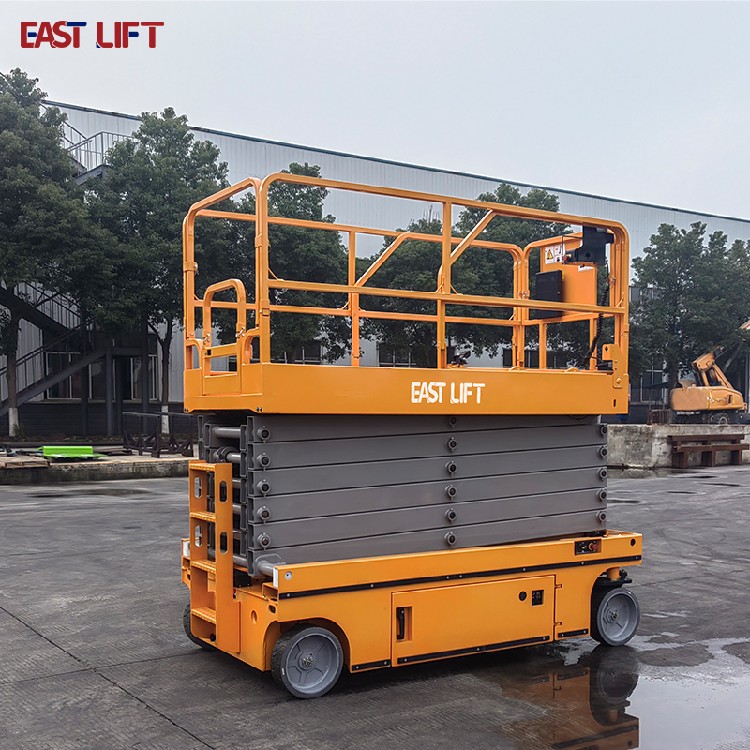
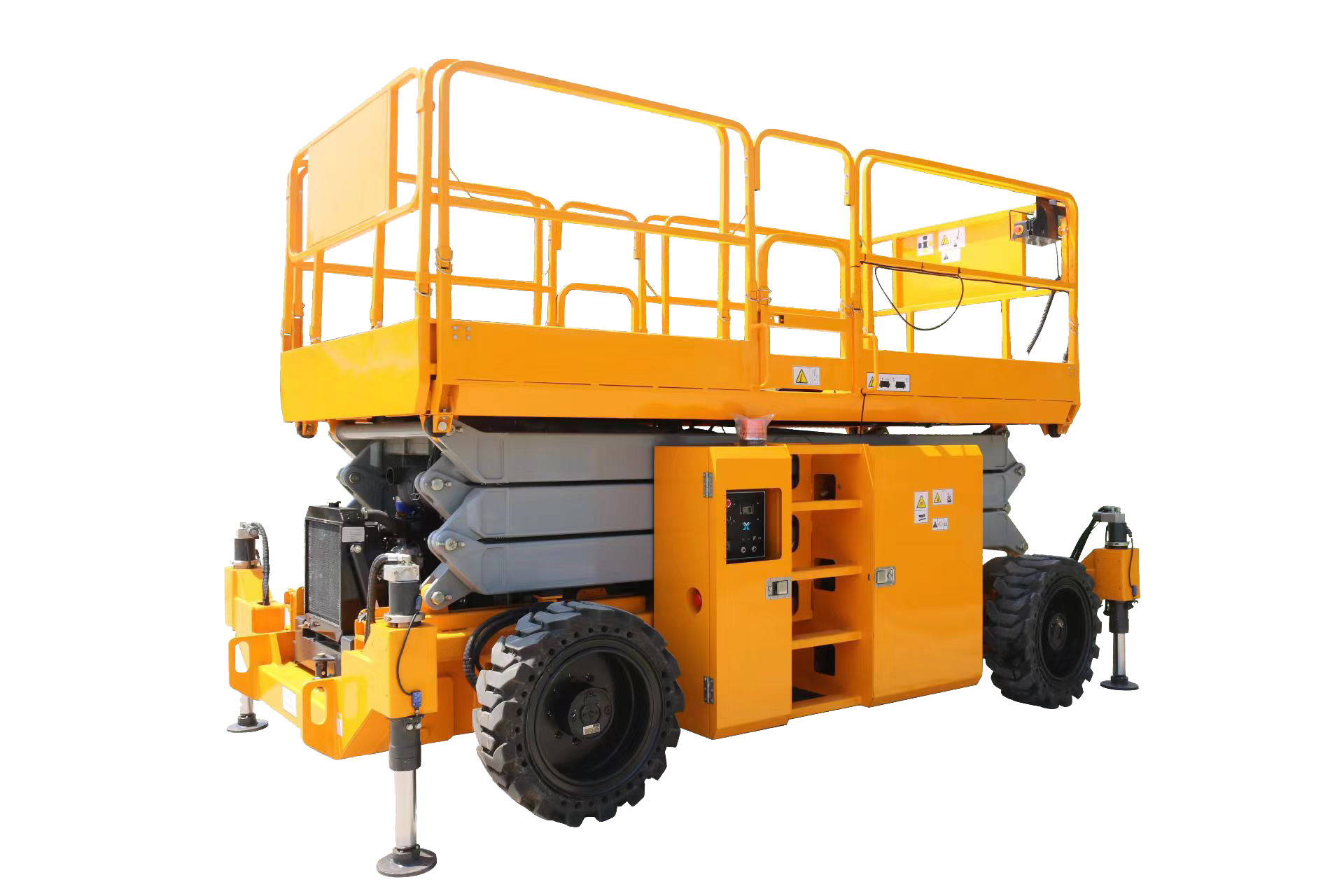
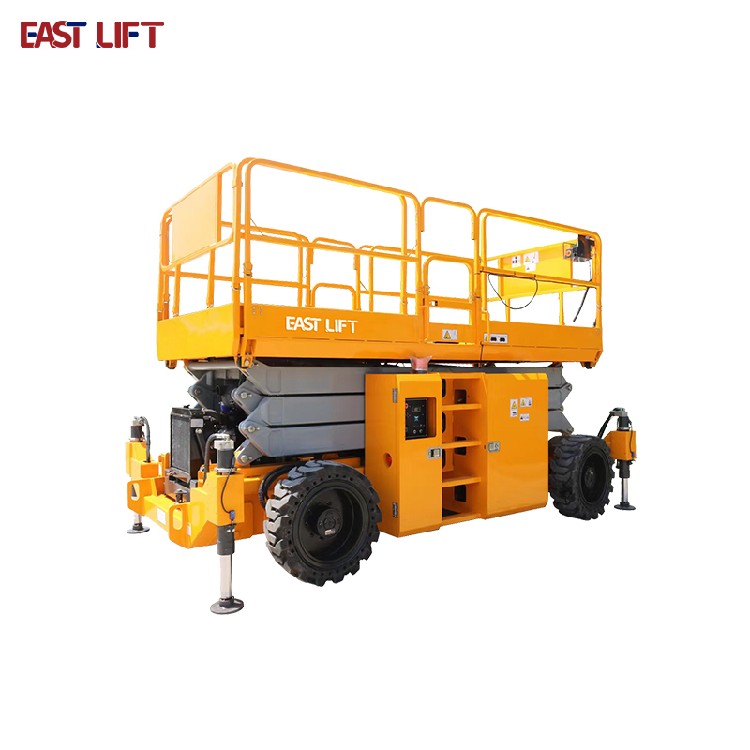
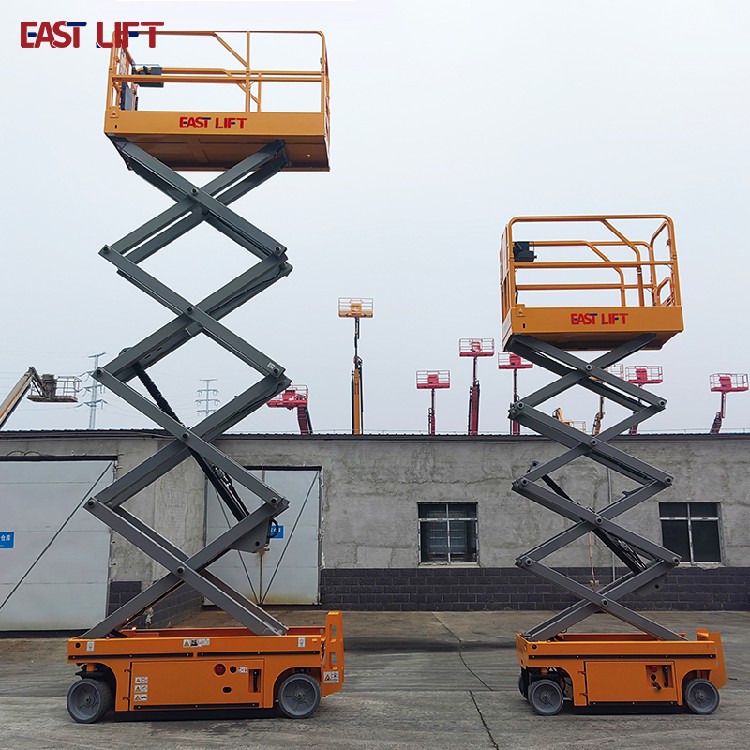
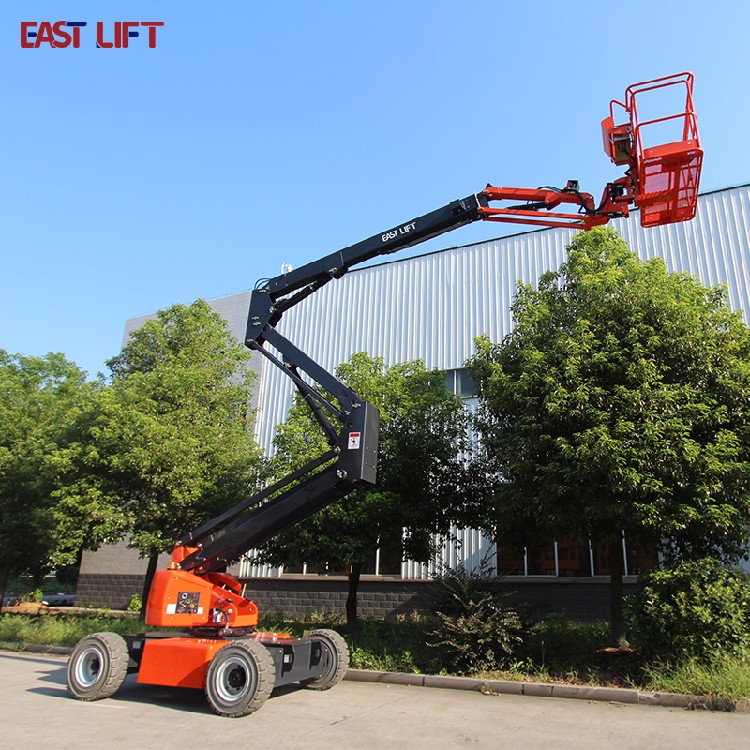
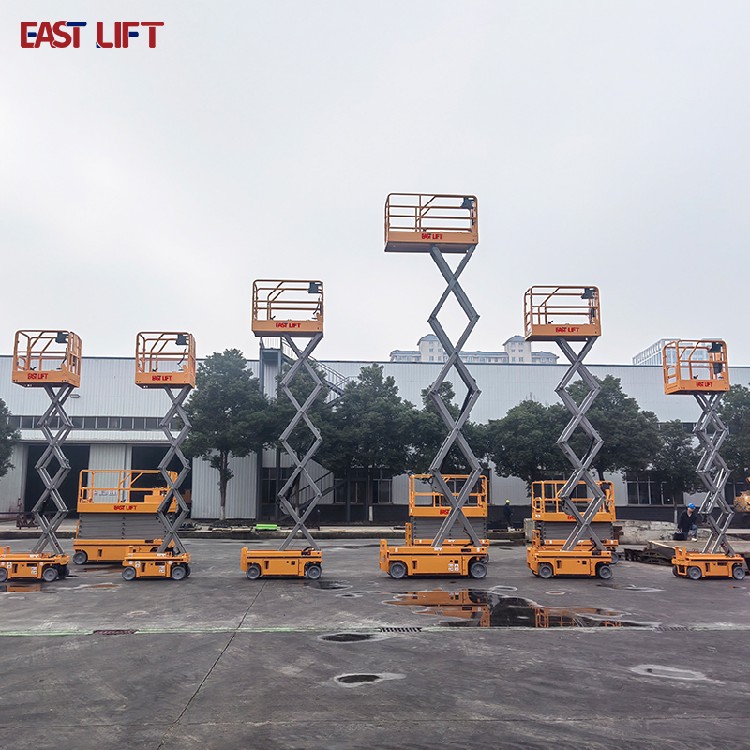
- Product name, model, structure type (telescopic boom / articulated boom / scissor lift / truck-mounted / spider lift)
- Main parameters: rated load, maximum working height, platform dimensions, chassis / outrigger type
- Applicable standards: EN ISO 12100, EN 280, EN 16307-3, EN 60204-1, etc.
- Assessor, date, version, scope of application
2. Product Description and Limitations of Use
- Structure composition: work platform, boom, slewing mechanism, outriggers, chassis, hydraulic system, electrical system, power system
- Intended use: indoor / outdoor, ground conditions, allowable working conditions
- Explicitly prohibited uses: overloading, side pulling, uses other than carrying personnel, operation in severe weather, etc.
- Qualification requirements for operators
3. Identification of Life Cycle Phases
Risks covered throughout the full life cycle:
- Transport / transshipment
- Installation / setup / outrigger deployment
- Normal operation (lifting, slewing, traveling)
- Maintenance, lubrication, adjustment
- Fault conditions and emergency operation
- Decommissioning, dismantling, scrapping
4. Hazard Identification (Core)
Must cover typical hazards for aerial work platforms:
- Falling (personnel falling from platform, platform overturning)
- Crushing / shearing / pinching (boom, outriggers, slewing, chains)
- Falling object strike
- Instability / overturning (uneven ground, undeployed outriggers, overloading, wind loads)
- Hydraulic system rupture, uncontrolled lowering
- Electrical hazards: electric shock, short circuit, EMC interference
- Fire, explosion (engine / battery / hydraulic oil)
- Noise, vibration, ergonomics
- Accidental start-up during maintenance
- Inability to evacuate in emergency situations
5. Risk Analysis and Risk Level Determination
- For each hazard: Probability of occurrence × Severity
- Judgment: acceptable / to be reduced / unacceptable
- Formation of a risk matrix
6. Risk Reduction Measures (Three-level Hierarchy)
In order of priority:
- Inherently safe design Strength, stability, anti-overturning design Safety distances, anti-pinch structures
- Safety devices / safeguards (mandatory by EN 280) Overload protection, tilt alarm and shutdown Emergency lowering, emergency pump Guardrails, safety chains, limit switches Outrigger status interlock, slewing limit
- Information for use / warnings Markings, warning plates Safety sections in the operation manual Training requirements
7. Special Verification Points According to EN 280
The report must include verification of:
- Stability (level, inclined, wind load)
- Structural strength (static load / dynamic load)
- Safety control system PLd (EN ISO 13849-1)
- Emergency stop, emergency lowering functions
- Anti-crushing, anti-overturning, overload protection logic
8. Risk Re-assessment
- After applying measures, all risks must be reduced to acceptable levels
- List residual risks and inform users in the manual
Contact Now