

How to choose a suitable aerial work platform?
Product description
How to choose a suitable aerial work platform?
As the scenarios of aerial work continue to expand, aerial work platforms such as scissor lifts, articulated boom lifts, telescopic boom lifts and spider lifts have begun to replace traditional scaffolding and ladders, becoming essential equipment in industries including construction, property management, factories and shopping malls. Faced with a wide variety of models and uneven product quality on the market, many novice buyers are prone to pitfalls. They either choose equipment unsuitable for the working scenario, or get poor cost performance, or have no safety guarantee at all. In fact, purchasing an aerial work platform is not as complicated as people think. There is no need to blindly pursue high-end and high-priced products; instead, one should choose equipment that meets their own needs.
1. Clarify the working scenario and select the type of machine
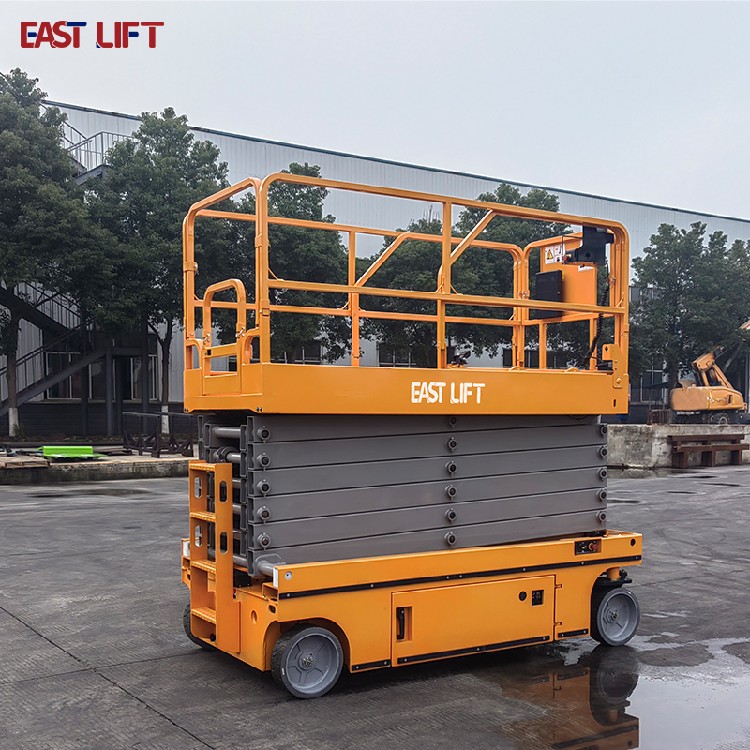
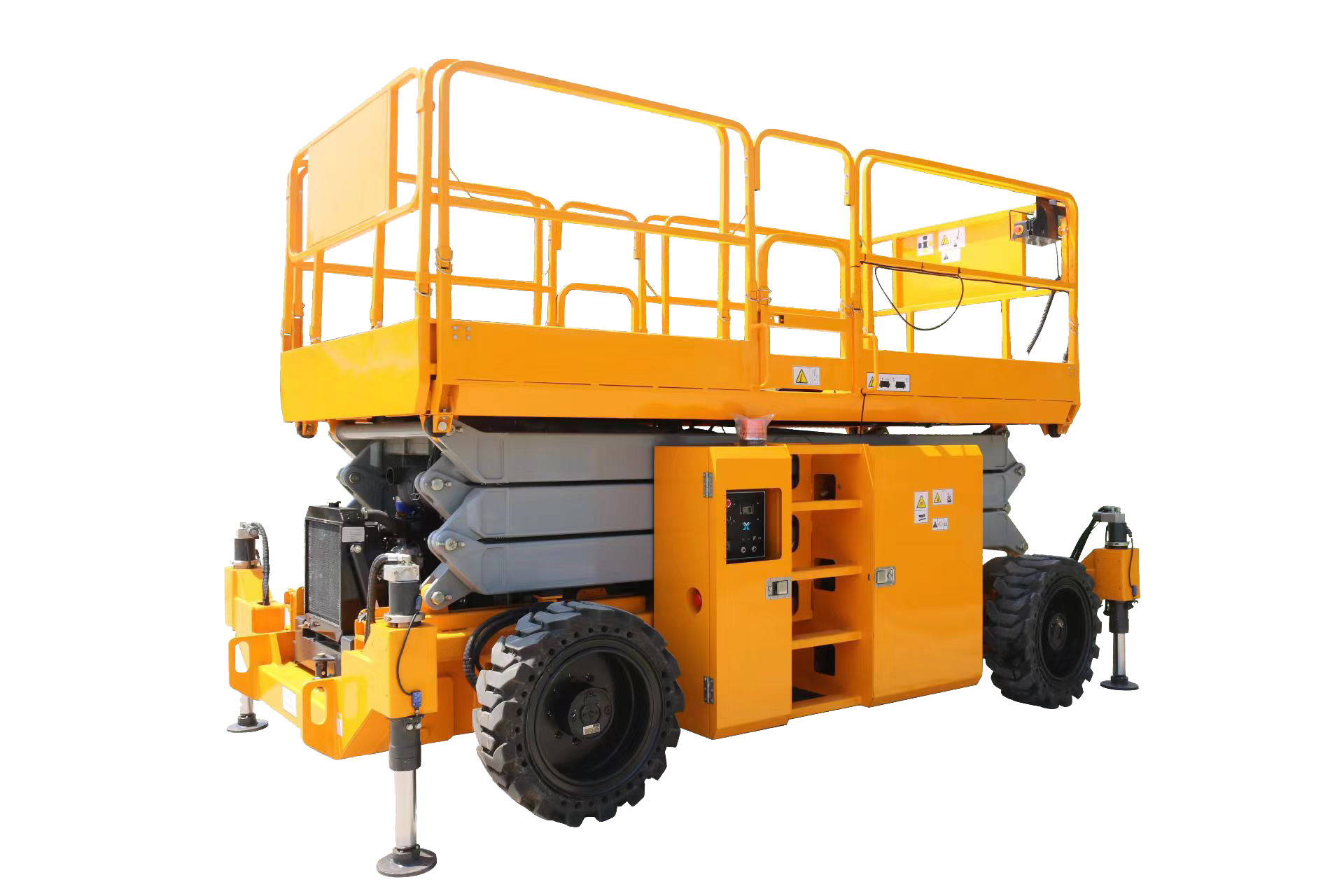
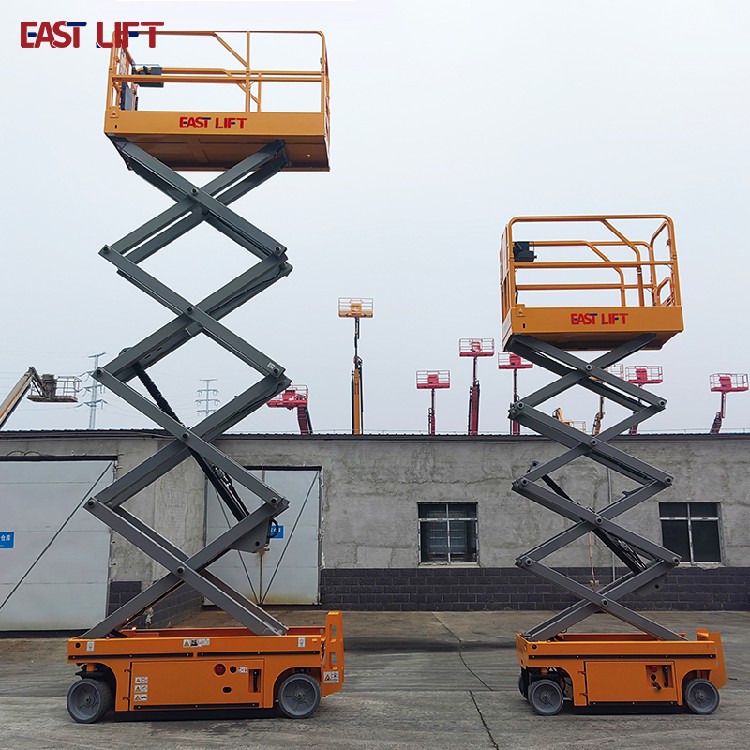
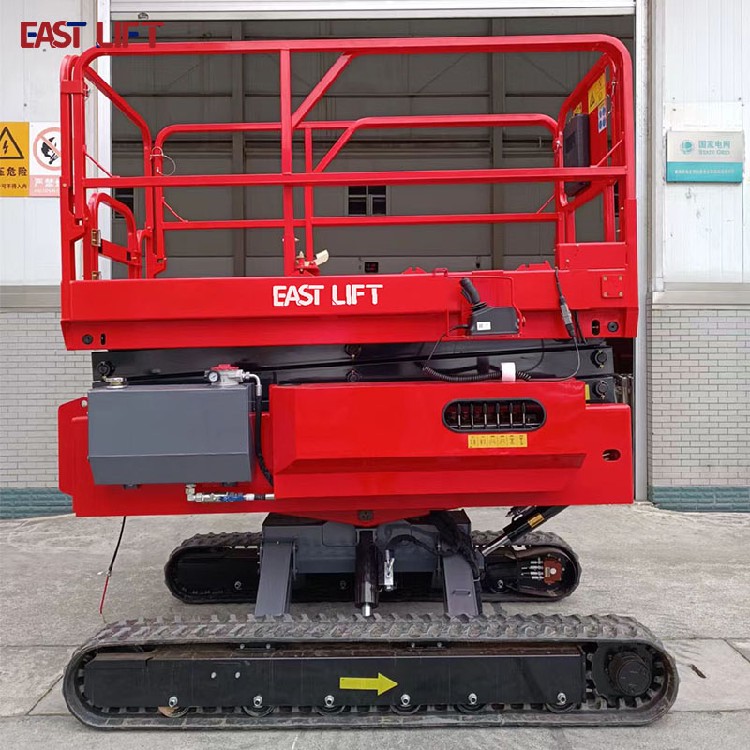
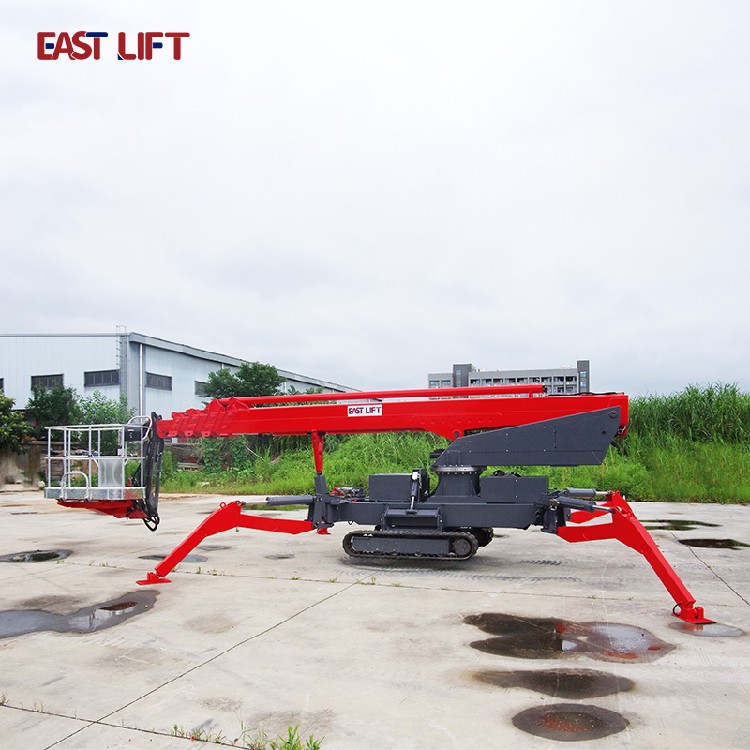
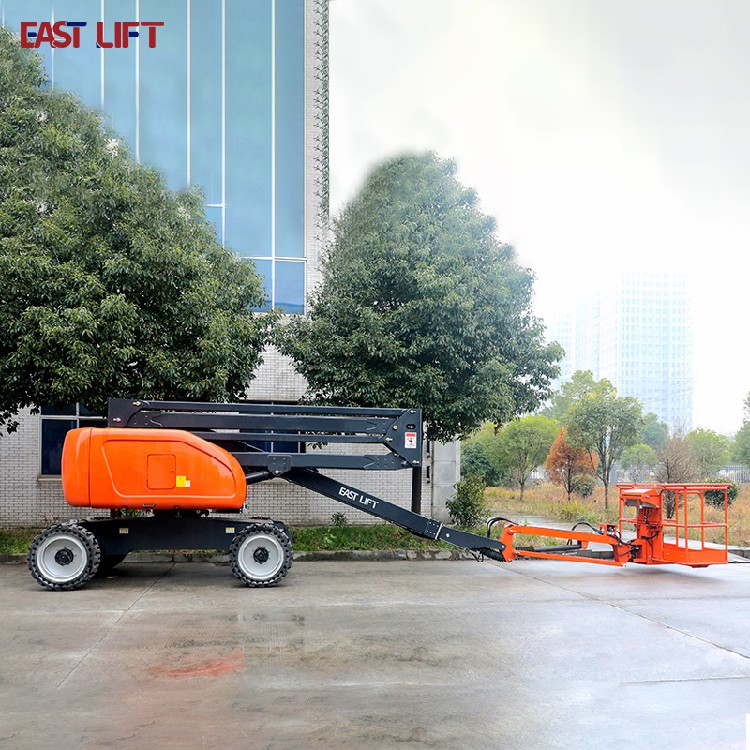
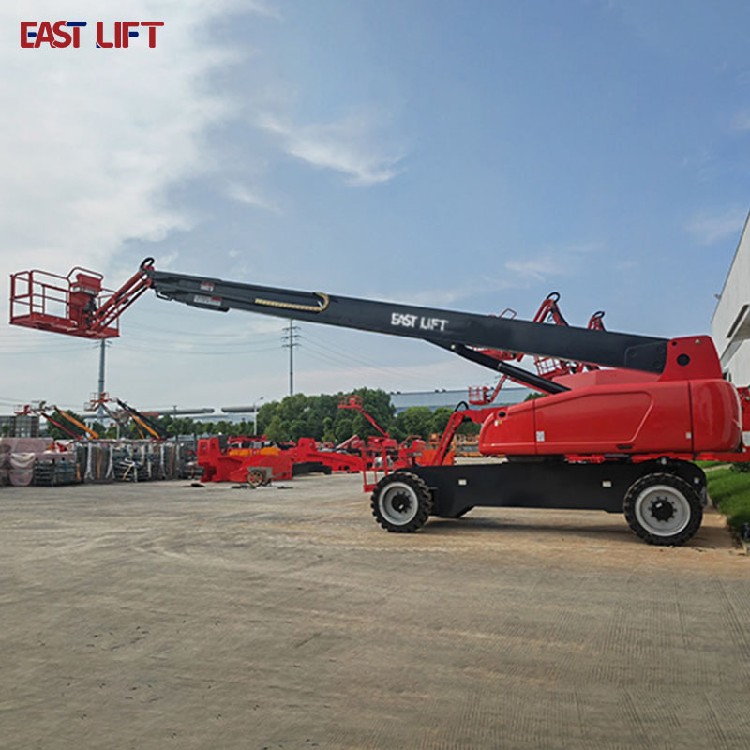
Different scenarios correspond to different models, which is the most basic choice in purchase. If you choose the wrong model, it will be useless no matter how good the machine is.For routine indoor operations, such as factory maintenance, shopping mall decoration and garage maintenance, the preferred choices are electric scissor lifts and spider lifts. They not only have a compact size and can turn on the spot, but also achieve zero emissions and low noise, making them suitable for places with high environmental requirements. They are also relatively simple to operate and have a very high cost performance.For outdoor operations across obstacles, such as exterior wall construction, street lamp maintenance and garden pruning, you can choose articulated boom lifts with long battery life. They can flexibly extend and retract, operate at multiple angles, and cross obstacles, making them the best choice.For high-altitude outdoor operations, such as exterior wall work on large buildings and bridge maintenance, telescopic boom lifts with higher working height are undoubtedly the right choice. They have strong stability and are suitable for high-difficulty, large-scale outdoor operations.
2. Selection of core parameters
Parameters directly determine whether the equipment can meet the demand. You can focus on two parameters, which will save a lot of time. First, working height: choose according to the actual height. For example, if the required height for daily indoor decoration is 8 meters, then a working height of about 10 meters will be sufficient, which reserves a certain safety space and avoids cost waste caused by excessive height. Second, platform load capacity: choose based on the total weight of workers, tools and materials. If two people are working and the total weight of tools is 200kg, you must choose equipment with a load capacity of more than 250kg to avoid overloading and ensure the safety of workers.
3. Balance Cost-Effectiveness and Practicality
When purchasing equipment, you should not only consider the purchase or rental cost, but also calculate the later maintenance and use costs. Only in this way can you get real high cost performance.
For short-term use and temporary construction, rental is the preferred choice. In this case, there is no need to bear the costs of purchase, maintenance, storage and so on. You can rent according to your needs and return it after use, which is very cost-effective.
For long-term use and fixed operations, lithium battery electric models are preferred. They can operate continuously for a whole day on a single charge, and the energy consumption cost is much lower than that of fuel models. Later maintenance is also very simple, only requiring regular inspection of batteries and parts, resulting in lower overall costs.
For later maintenance, choose models with easily available parts and complete after-sales service to avoid failures, unavailable parts and lack of maintenance personnel in the later stage, which will affect the construction progress.
Conclusion
When purchasing an aerial work platform, the key is not to choose the expensive one, but the suitable one. First clarify the working scenario and core parameters, then check the safety configuration and after-sales service, so as to avoid purchasing pitfalls and select equipment that meets your own needs.