
The Application of Aerial Work Platforms in Factory Maintenance
Product description
The Application of Aerial Work Platforms in Factory Maintenance
In the modern industrial production system, the factory is not only the core place for production operations, but also an area where equipment, pipelines and circuits are highly concentrated. High-altitude maintenance operations run through the whole process of the factory from construction, production to upgrading and renovation, including the maintenance of mechanical and electrical equipment, replacement of lighting systems, inspection of ventilation and fire pipelines, cable tray wiring, wall and roof maintenance, and many other links. These operations are generally characterized by high height, scattered points, compact space and sensitive impact on production. Traditional operation methods have been difficult to adapt to the comprehensive requirements of modern enterprises for safety, efficiency and production continuity. Relying on the advantages of flexibility, efficiency, safety and stability, aerial work platforms are gradually becoming essential equipment for standardized operation and maintenance of factories.
For a long time, factory high-altitude operations have mainly used scaffolding, mobile ladders and elevated vehicles. Although scaffolding has strong bearing capacity, the operation area needs to be cleaned and protective base plates laid before erection, which will obviously block the intensive production lines, large equipment and precision instruments in the workshop, often requiring temporary shutdown for construction. The erection and dismantling cycle is long, the consumption of materials is large, and construction waste will be generated after completion, which not only increases costs but also affects the on-site environment. For scattered maintenance tasks at multiple points, scaffolding needs repeated assembly and disassembly, which seriously slows down the overall progress and greatly increases the enterprise's operation and maintenance costs.
Ordinary tools such as mobile ladders and step ladders are limited in height and insufficient in stability, and the risk increases sharply in high-altitude operations above 6 meters. Operators cannot carry sufficient tools and accessories, are prone to fatigue when maintaining suspended postures for a long time, and are very likely to have safety accidents such as slipping and overturning. At the same time, ladder operations cover a small area, and frequent position movement will also reduce overall efficiency, making it difficult to meet the systematic and normalized maintenance needs of factories.
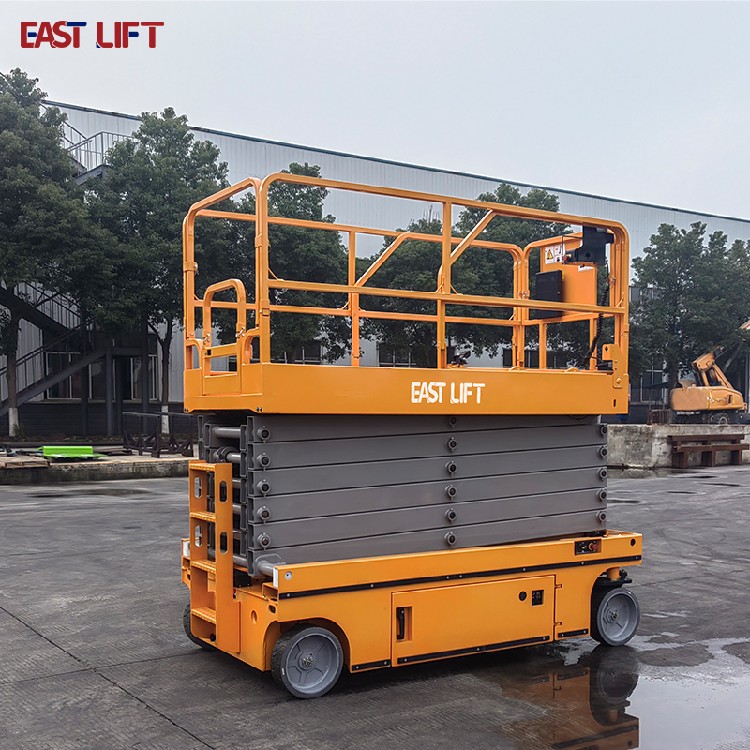
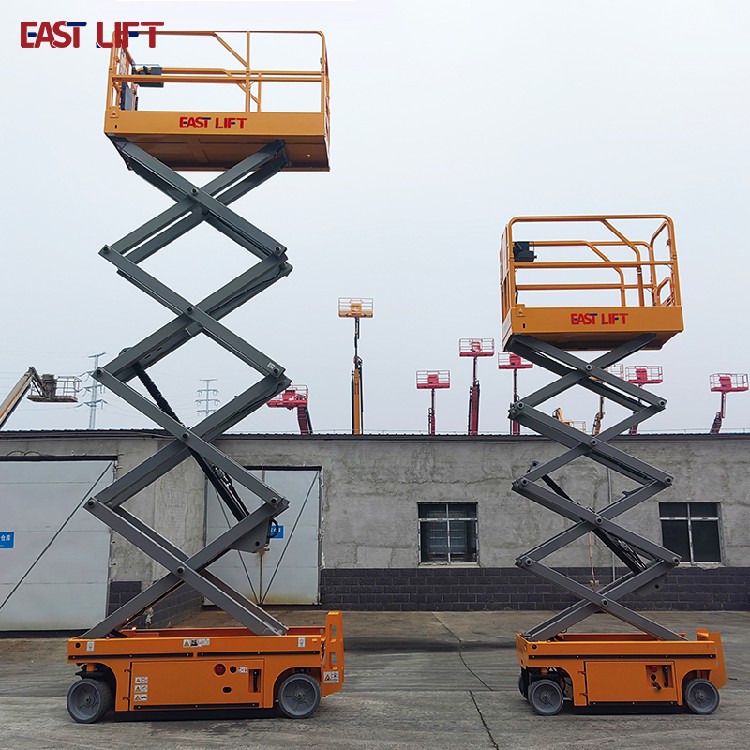
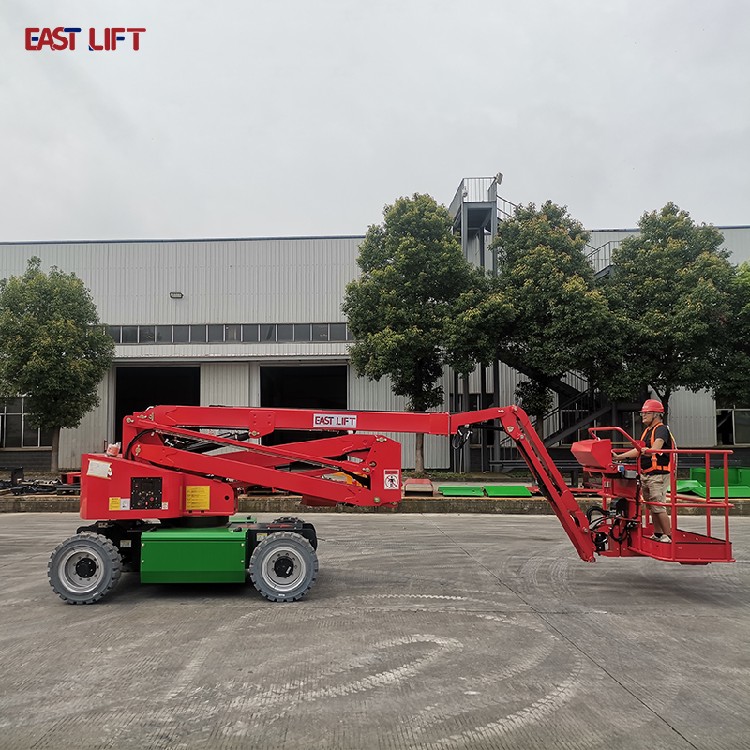
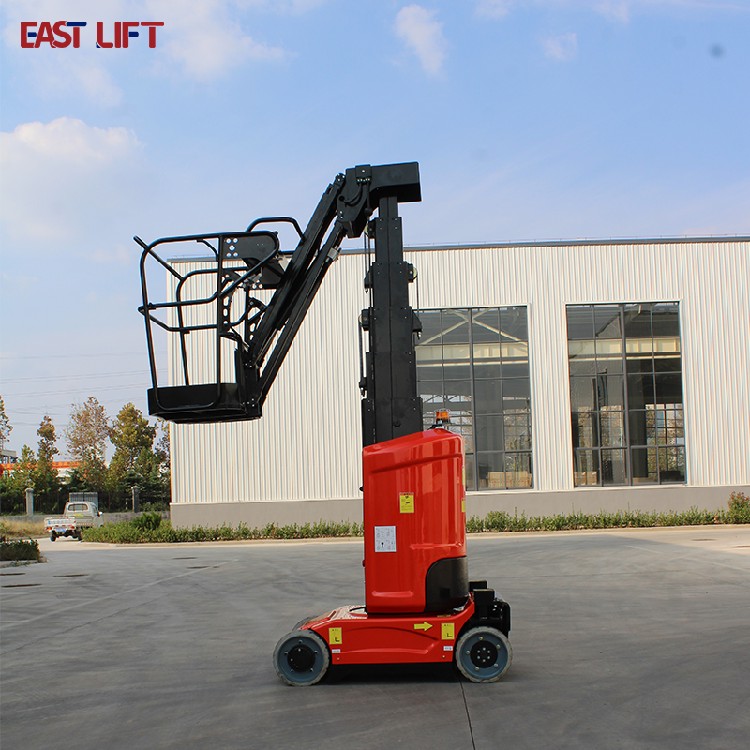
The popularization of aerial work platforms has fundamentally changed this situation. According to the spatial characteristics inside the factory, scissor-type, mast-type and electric articulated boom platforms feature compact bodies and high flexibility. They can move freely in narrow areas such as equipment gaps and passage corners without large-scale site clearance, minimizing the impact on normal production. The platform lifts smoothly and positions accurately, enabling fine adjustment and alignment, facilitating personnel to carry out refined operations such as equipment fastening, line inspection, parts replacement, cleaning and maintenance. Most models can carry multiple people at the same time and are equipped with tool placement areas, effectively improving the efficiency of single operation and reducing repeated up-and-down and round trips.
Electric aerial work platforms are powered by batteries, producing no exhaust gas and low noise during operation. They will not pollute the air in the workshop or interfere with production operations, and are especially suitable for factories and precision manufacturing workshops with strict environmental requirements such as food, medicine and electronics. The platform is equipped with multiple safety configurations such as non-slip floor, guardrails, anti-fall devices, emergency stop and overload alarm, which can effectively avoid risks such as falling and overturning, reduce on-site safety management pressure, and meet the standardized requirements of enterprise safety production.
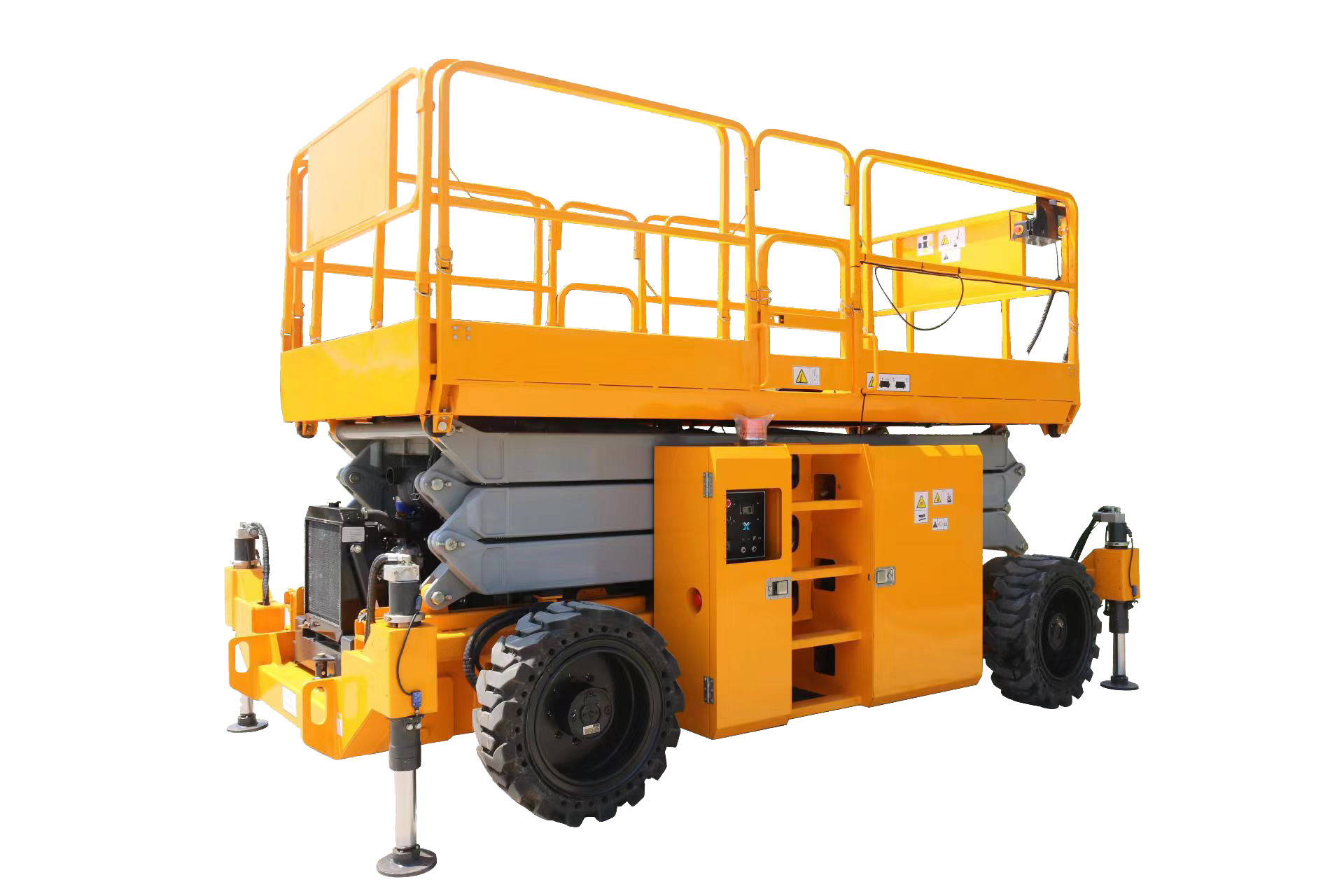
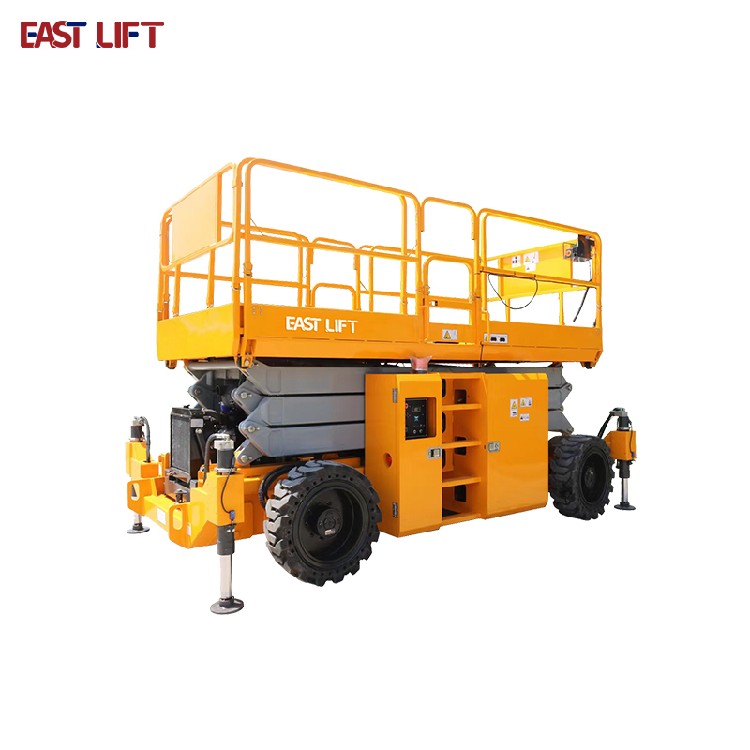
For external maintenance scenarios such as factory exterior walls, roofs, drainage pipes and outdoor equipment, rough-terrain telescopic boom aerial work platforms have stronger passability, can adapt to complex working conditions such as uneven ground and gravel roads, with higher lifting height and larger operation range. They can efficiently complete outdoor high-altitude tasks such as exterior wall repair, roof waterproof inspection, pipeline reinforcement and billboard maintenance, realizing integrated maintenance inside and outside the factory.
With the continuous improvement of the intelligent and refined management level of industrial enterprises, the requirements for safety, efficiency and environmental protection in factory operation and maintenance are also rising. Aerial work platforms not only significantly improve maintenance efficiency and reduce the probability of safety accidents, but also reduce interference with production order and save labor and material costs. Today, aerial work platforms are no longer auxiliary equipment for temporary use, but normalized operation and maintenance tools throughout the entire life cycle of factories, providing an important guarantee for the safe production and stable operation of enterprises.