Operation and Stability of Aerial Work Platforms
Product description
Operation and Stability of Aerial Work Platforms
In the modern aerial work equipment system, aerial work platforms are no longer simple lifting tools, but professional equipment integrating mechanical structure, hydraulic control and electronic safety system. Their core competitiveness is not only reflected in function realization, but also concentrated in precise controllability and all-weather operation stability. These two characteristics directly determine operation safety, construction quality and equipment application scope, and are also the key to their comprehensive replacement of traditional operation methods.
After generations of technological iteration, the control system of aerial work platforms has formed a highly integrated, simple and easy-to-use operation logic. Mainstream equipment generally adopts an integrated electric control handle design, which integrates multiple actions such as walking, steering, lifting and boom swing into a single-hand control area. Operators can complete full-dimensional attitude adjustment only through simple actions such as pushing and rotating. Compared with the early mechanical pull-rod control, the electric control system has faster response and lighter force, is not easy to fatigue during long-time operation, and even novices can master it skillfully after simple training, greatly reducing the probability of human misoperation.
In fine operation scenarios, control precision is particularly important. The hydraulic system of the equipment adopts proportional control technology, which can realize stepless speed regulation. The lifting and boom swing process is stable without impact, and can achieve millimeter-level positioning. Whether it is part docking during equipment maintenance, pipeline installation in construction, or lamp commissioning in venue maintenance, it can easily reach the designated position to avoid collisions and deviations caused by excessive movements. Some models are even equipped with an automatic platform leveling function. No matter what angle the chassis is at, the operation platform can maintain a horizontal state, providing a stable and comfortable operation posture for operators, and further improving the reliability of fine operation.
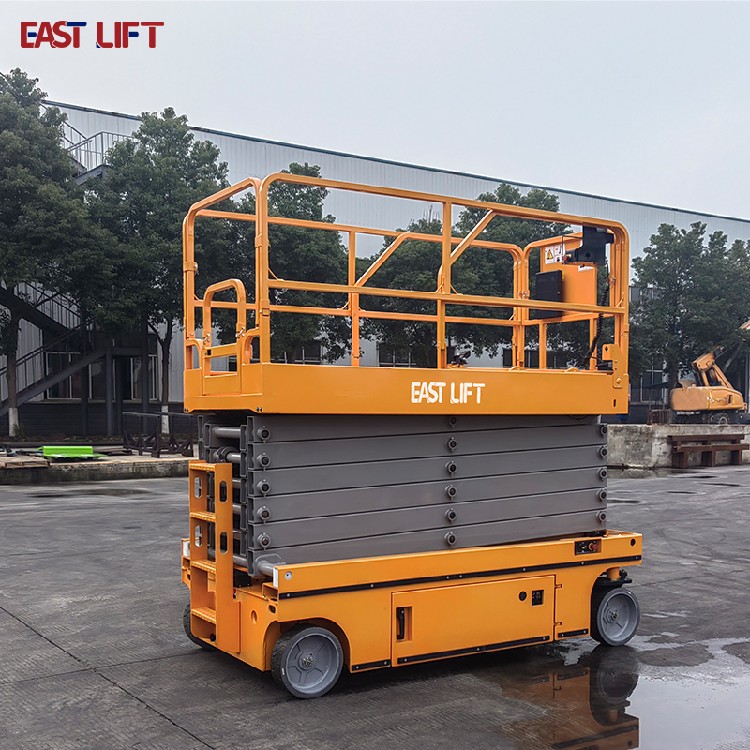
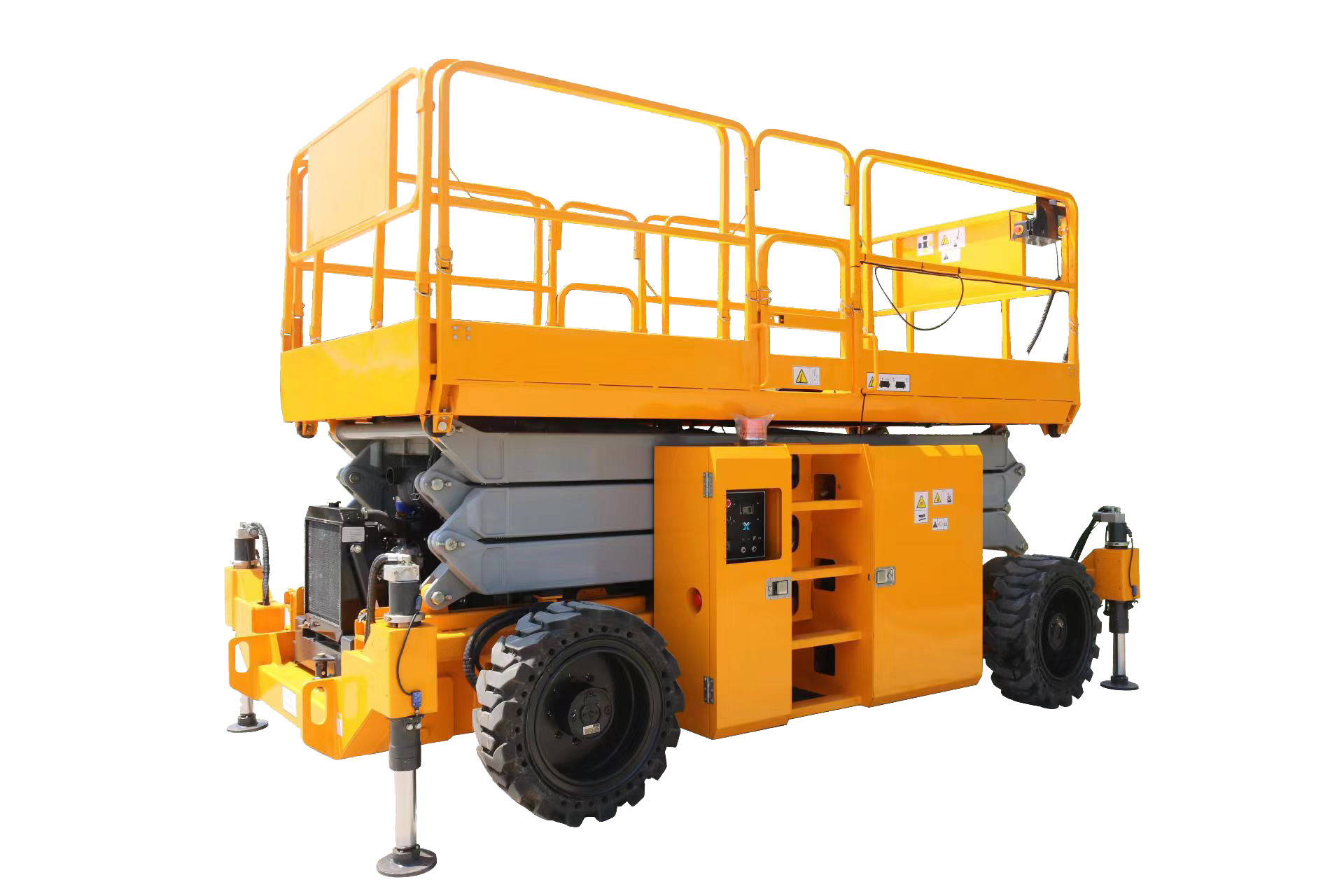
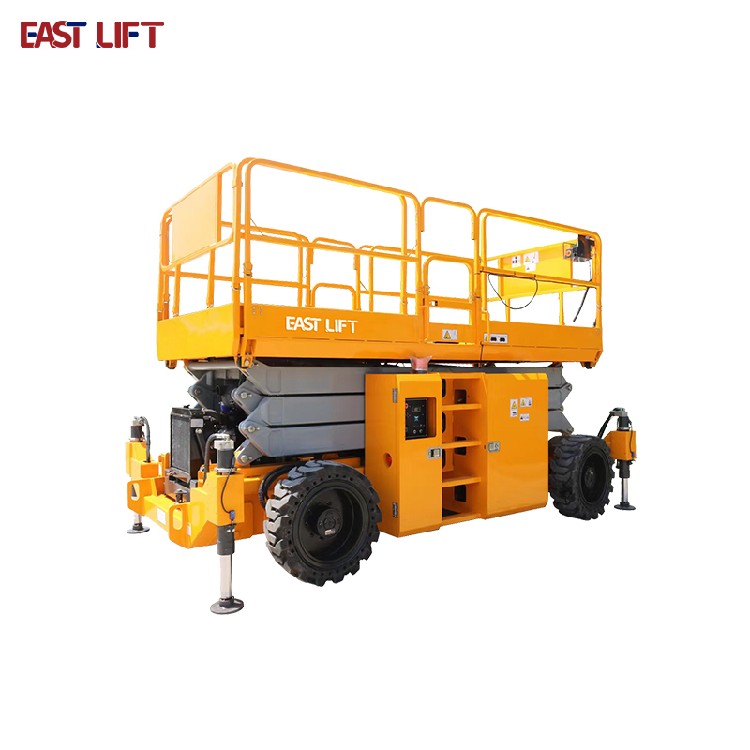
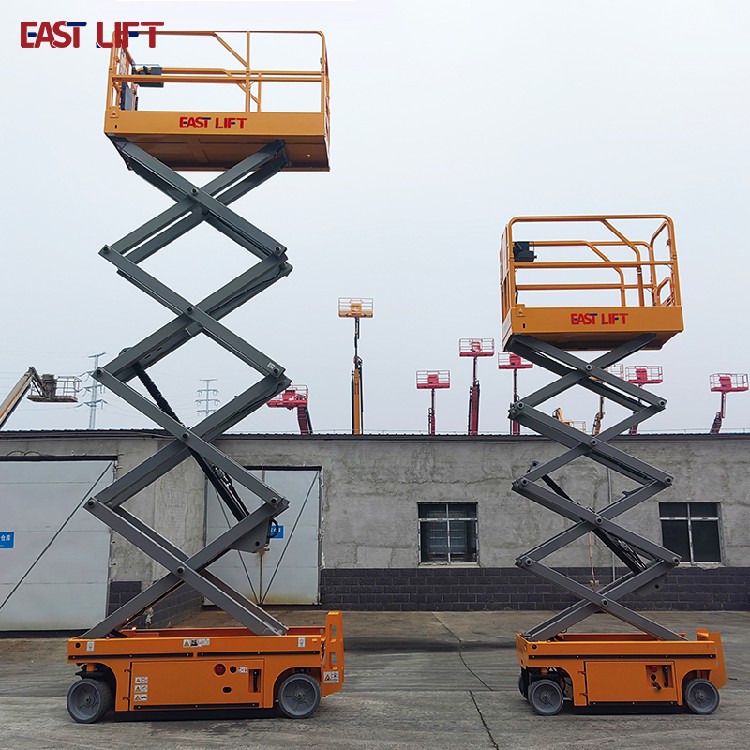
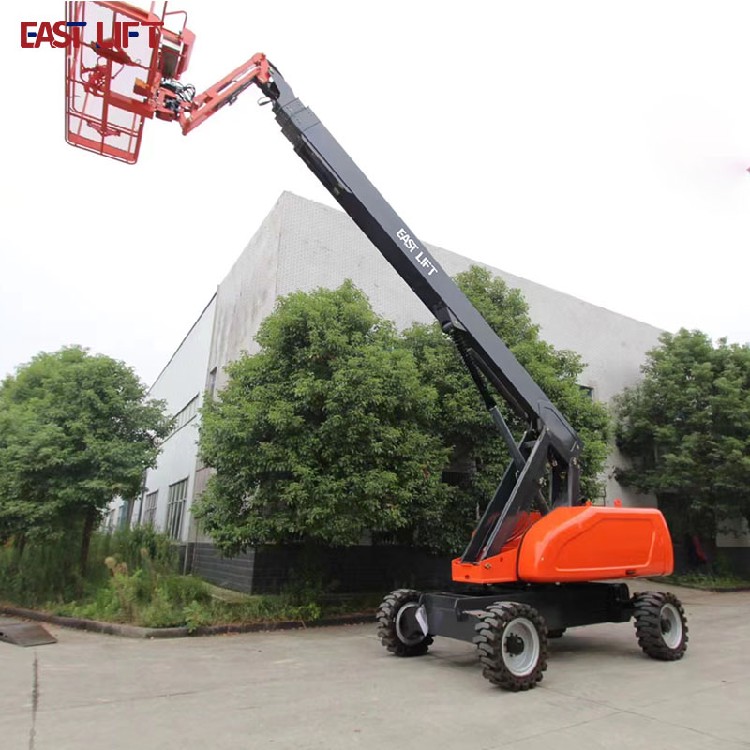
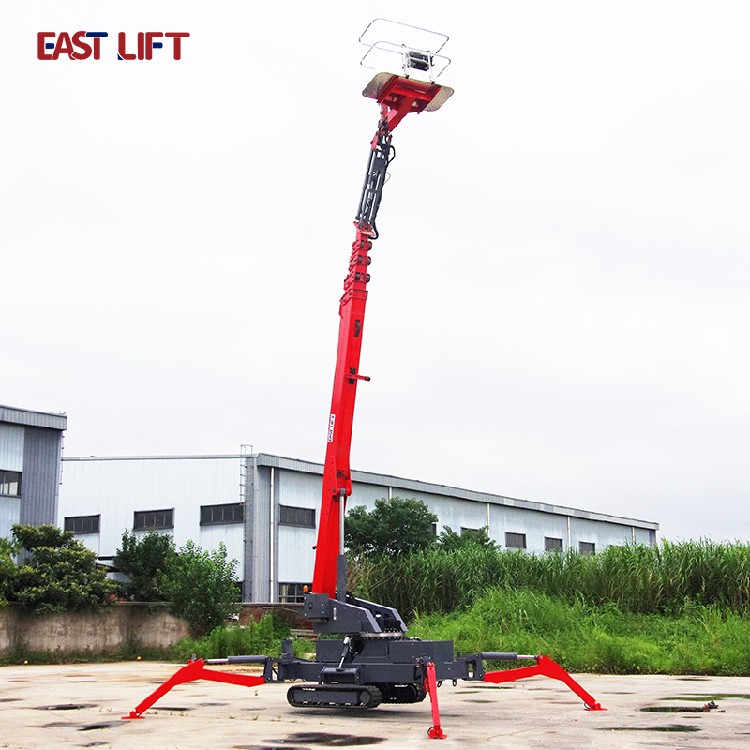
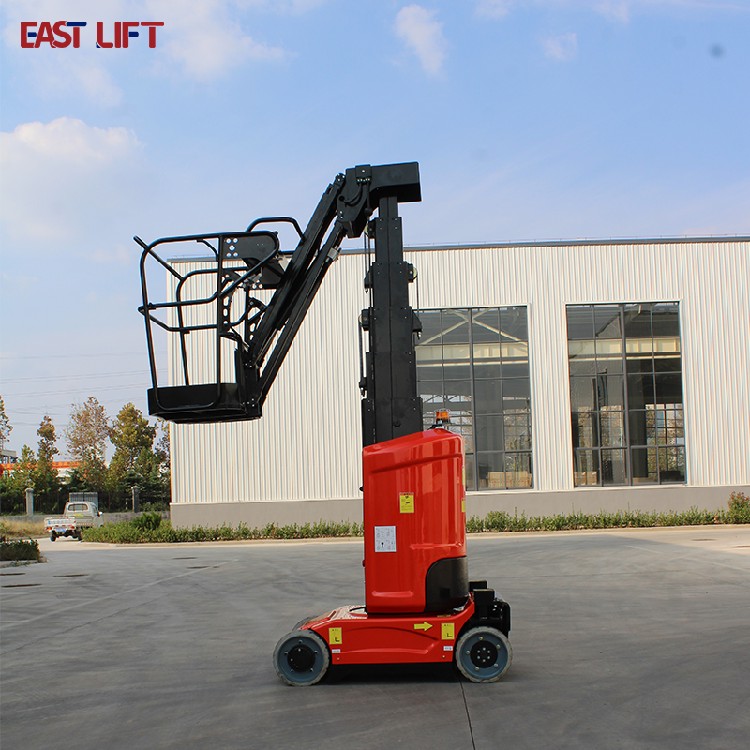
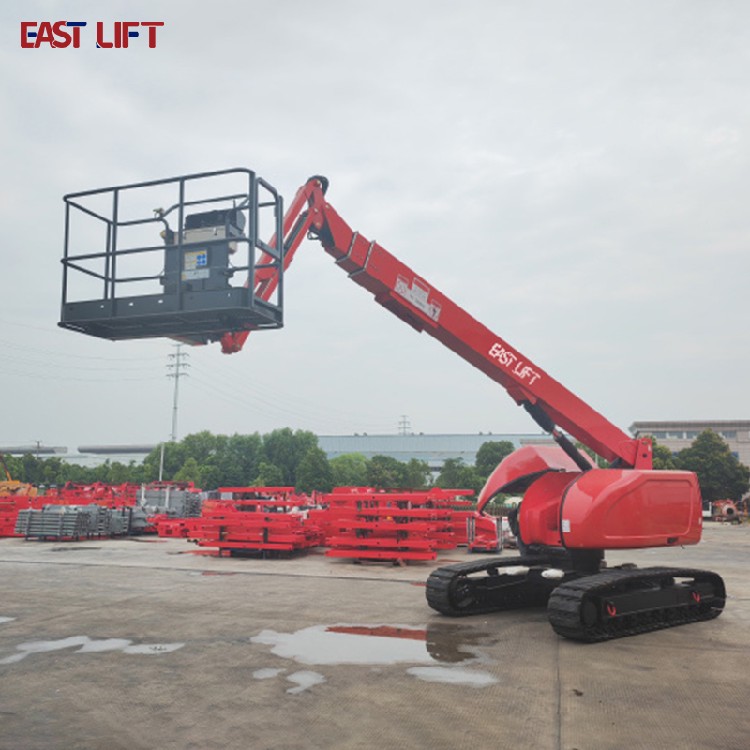
Operation stability is the design core of aerial work platforms and the basic guarantee for safe operation. The equipment adopts multiple optimization schemes such as lowering the center of gravity, widening the chassis and expanding outriggers in structural design to improve the overall anti-overturning capacity at the physical level. Scissor-type platforms disperse stress through the cross-arm structure with a stable and solid chassis; boom-type platforms combine lightweight multi-stage booms with high-strength steel to maintain overall rigidity while increasing operation height; rough-terrain platforms are equipped with extended outriggers and long-span support structures, which can quickly level on uneven ground, gravel roads and slight slopes to ensure stability and reliability under complex working conditions.
To further enhance stability, the equipment is generally equipped with an intelligent attitude monitoring system. The inclination sensor and pressure sensor monitor the chassis levelness, outrigger stress status and platform load in real time. Once there are risk states such as excessive inclination, incomplete outrigger expansion or overload, the system will automatically lock dangerous actions and send sound and light alarms to eliminate potential safety hazards at the electronic control level. This stable system combining mechanical structure and intelligent control enables aerial work platforms to maintain safe operation under sudden conditions such as strong winds and slight ground settlement, which is far superior to the passive protection mode of traditional scaffolding and ladders.
In addition, aerial work platforms also perform prominently in movement stability and environmental adaptability. The walking system of the equipment adopts a low-speed and high-torque design, with stable and bump-free movement. It can realize low-speed transfer even in operation state to meet the needs of continuous multi-point operation. The tires are made of anti-skid, wear-resistant and high-cushion materials, which can adapt to indoor floors such as cement ground, epoxy floor and ceramic tiles, as well as outdoor scenes such as construction site dirt roads and gravel roads, without scratching or excessive wear on the ground.Electric models have low operating noise and no vibration, and can maintain stable operation in areas with high environmental requirements such as hospitals, shopping malls and precision factories without interfering with the normal surrounding order.
Under the background of stricter safety supervision and increasing construction quality requirements, control performance and operation stability have become the core indicators for users to choose aerial work platforms. Excellent controllability improves operation efficiency and construction precision, and reliable stability builds a solid safety bottom line. The two together constitute the core value of the equipment. With the continuous progress of hydraulic technology, electronic control and sensor technology, aerial work platforms will develop towards a more precise, stable and intelligent direction, continuously providing safe, efficient and reliable equipment support for aerial work in various industries, and becoming an important force promoting the high-quality development of the industry.