EASTLIFT
Product description
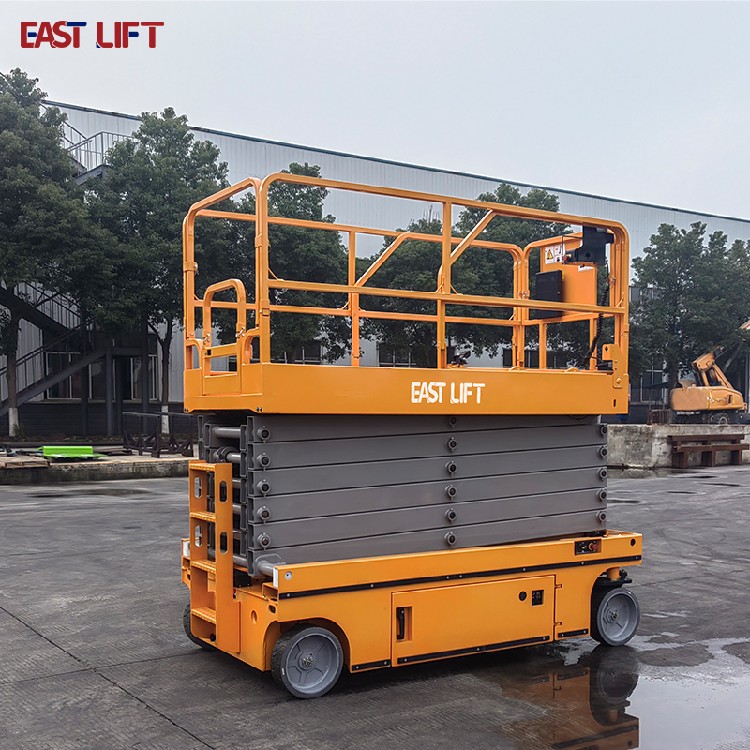
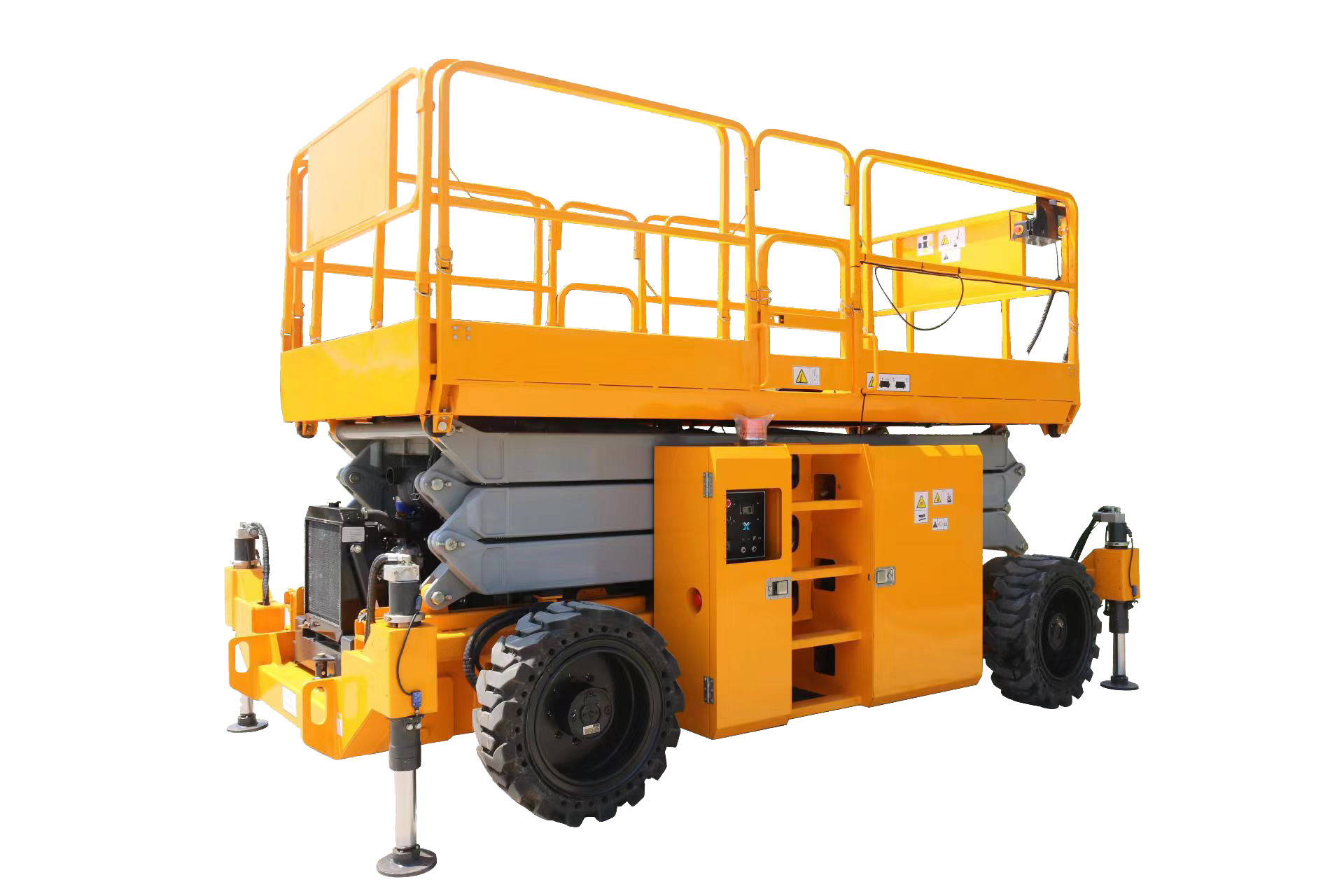
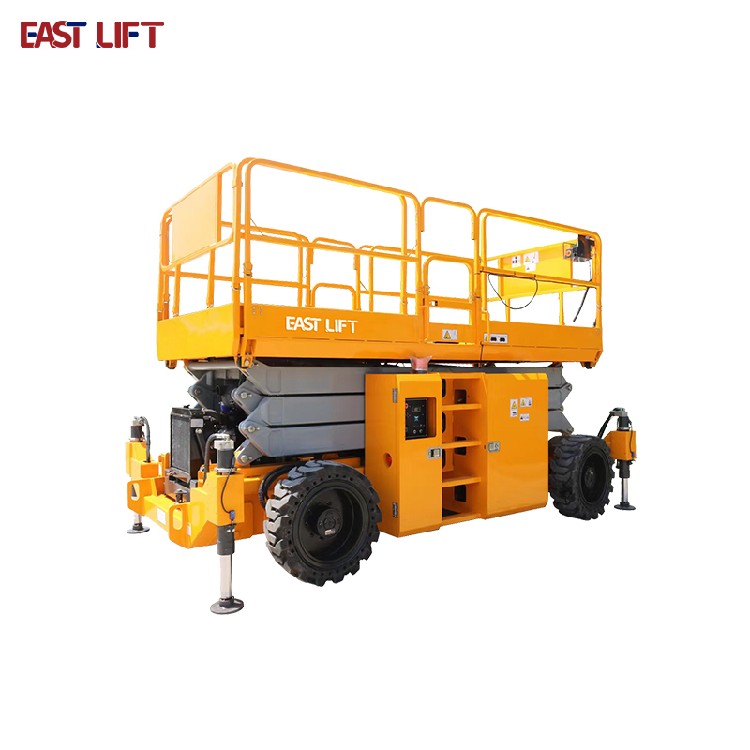
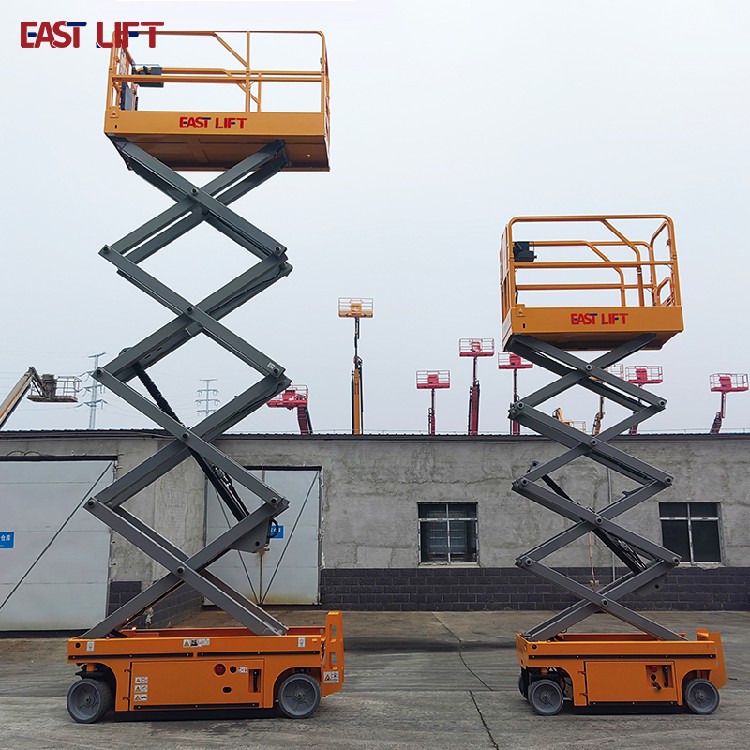
Electric + Diesel Dual-Power Self-Propelled Aerial Work Platform
(Straight Arm / Articulated Arm / Spider Lift)
I. Core Advantages
1. Full-scenario compatibility, indoor and outdoor dual use
Electric mode: low noise, zero exhaust and no fumes, suitable for operation indoors, in shopping malls, factories, basements, confined spaces and residential areas.
Diesel mode: powerful performance and unlimited endurance, ideal for open construction sites, remote areas, long-distance relocation and prolonged continuous operation without stable mains power.
2. Unrestricted endurance to avoid project delays
Pure electric equipment is limited by battery capacity and must stop working once power runs out.
The dual-power model can directly switch to diesel engine power generation or direct drive when the battery is low, enabling construction in remote areas with no power supply access.
3. Superior power for complex terrain
The diesel engine delivers high torque, ensuring stable performance during climbing, on muddy roads, slopes and under heavy load lifting conditions.
Pure electric models are generally weaker in climbing capacity and load resistance.
4. Cost-effective energy switching
Electric power is adopted for short-distance movement and indoor low-intensity work with zero fuel consumption.
Diesel power is used for high-intensity outdoor long-hour operation to reduce battery wear, achieving balanced overall operating costs.
5. Dual power backup for high safety
If one power system fails or the battery is exhausted, operators can switch to the alternative power system for emergency lifting and equipment evacuation, greatly reducing the risk of on-site breakdown and improving construction fault tolerance.
6. Environmental compliance & policy adaptability
The electric mode meets strict environmental protection requirements with zero emissions for urban and eco-restricted areas; the diesel mode ensures unrestricted operation in suburban and remote construction sites.
II. Disadvantages & Drawbacks
1. Higher procurement cost
Equipped with two sets of independent systems (motor, battery & electronic control system + diesel engine & fuel system), the overall structure is more complex, with a higher selling price than single electric or single diesel models.
2. Increased weight and reduced flexibility
The additional diesel unit, fuel tank and heat dissipation system increase the overall equipment weight, resulting in poorer ground pressure adaptability and slightly reduced flexibility in narrow spaces; the trafficability of spider lifts in narrow passages is also slightly affected.
3. Complicated maintenance and higher upkeep costs
Routine maintenance is required for both electrical components (motors, batteries, circuits) and diesel components (engine oil, filter elements, fuel circuits, cooling systems). More spare parts are needed, leading to more potential failure points.
4. Noise, vibration and exhaust emissions in diesel mode
When switched to diesel mode, the engine generates obvious noise, vibration and exhaust fumes, making it unable to meet ultra-quiet and pollution-free operation requirements for high-standard indoor scenarios.
5. Irreversible battery aging
Even with a diesel generator, long-term improper use such as shallow charging/discharging and persistent power deficit will cause battery attenuation, requiring costly battery replacement in the later service life.
6. Fuel consumption and mechanical wear
Frequent long-term use of the diesel mode will produce fuel costs, carbon deposition and engine mechanical wear, making it uneconomical for long-term indoor operation.
7. Slightly complicated operation
Operators need to master power switching, startup and shutdown, as well as electric and fuel linkage control, which may cause misoperation for novice users.
III. Applicable Groups
Highly Suitable for:
Enterprises with mixed indoor and outdoor operation, frequent equipment relocation, no fixed mains power supply, construction in mountainous and harsh road conditions, and equipment leasing industry (strong universality and high rental demand).
Not Suitable for:
Long-term pure indoor operation, high-standard quiet scenarios such as shopping malls, hotels and exhibition halls, budget-limited users, and enterprises only undertaking short-distance light-duty maintenance work.