Safety Specifications and Construction Management of Aerial Work Platforms
Product description
Safety Specifications and Construction Management of Aerial Work Platforms
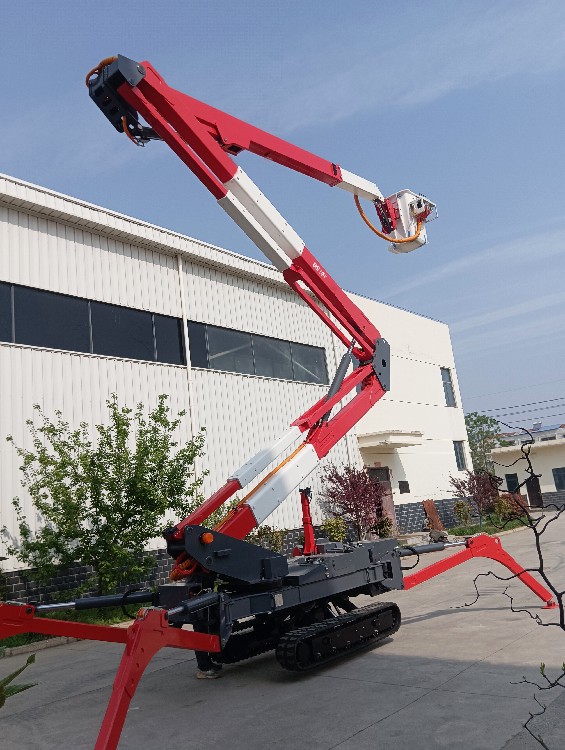
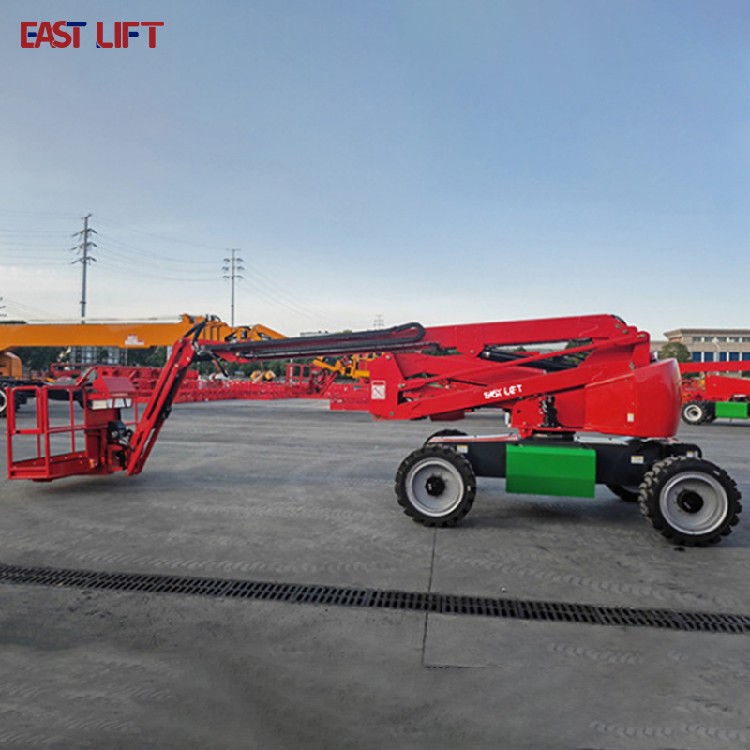
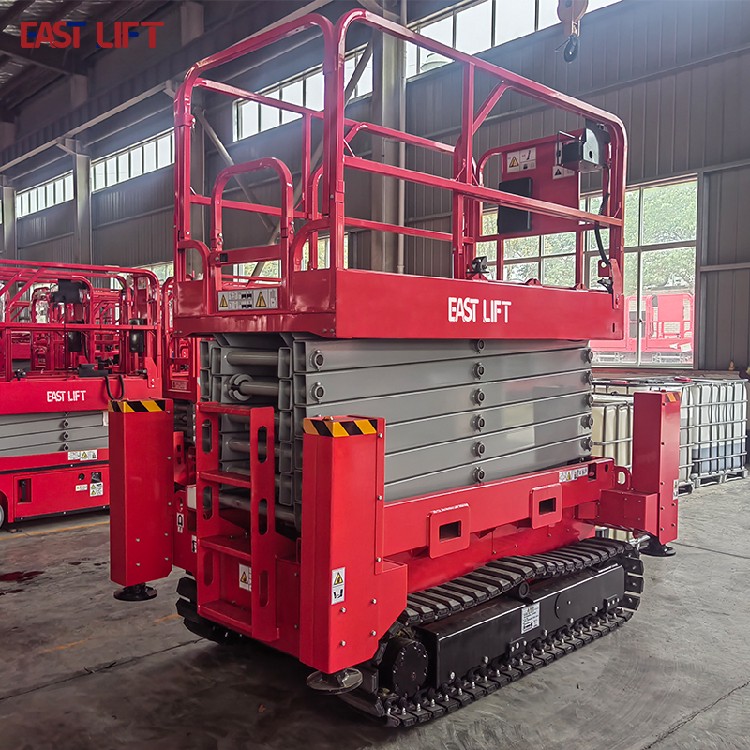
In various projects such as building renovation, municipal operation and maintenance, and industrial factory maintenance, aerial work platforms have become regular construction equipment. With the popularization of equipment, safety accidents in high-altitude operations occur from time to time, mostly caused by irregular operation, lax on-site management, weak safety awareness and inadequate management systems. Strictly implementing safety specifications for high-altitude operations, improving the on-site construction management system, and strengthening whole-process risk control can eliminate potential safety hazards at the source, ensure the safety of personnel and equipment, and promote the standardized and standardized operation of high-altitude construction.
High-altitude operation falls into the category of high-risk work with complex and changeable working environments. Factors such as strong outdoor wind, narrow spaces, uneven ground and cross construction will aggravate safety risks. In pursuit of construction progress, many construction units ignore safety procedures and allow improper behaviors including unlicensed operation, overloading, crossing guardrails in violation of regulations, and forced construction in severe weather, which may easily lead to equipment rollover, personnel falls, collision damage and other accidents. Therefore, establishing a sound safety management system and clarifying operating norms and management requirements are the basic prerequisites for carrying out all high-altitude operation projects.
Standardized equipment inspection before operation is the first line of defense for safe work. Before daily construction, operators must conduct a comprehensive inspection of the whole machine, checking whether there are cracks or deformation on booms, structural parts and welding seams, and whether guardrails and pedals are intact and firm; inspect hydraulic pipelines and joints for oil leakage and damage, as well as the wear of tires and walking parts; test the effectiveness of safety devices including brakes, emergency stops, alarm systems, tilt protection and load limiters. For electric models, it is necessary to check the battery power, circuit insulation and waterproof performance in advance to eliminate hidden dangers such as circuit aging and electric leakage. Only equipment in good condition with complete safety devices can be put into construction.
Standardize operating procedures and put an end to human violations. All operators must hold valid certificates and be familiar with the performance parameters, operation logic and prohibitions of all models. Operate the control lever smoothly during work, and avoid sudden lifting and lowering, sharp steering and rough operation; strictly abide by the rated load, overloading, unbalanced loading and overloading personnel are prohibited. It is not allowed to add external materials or privately modify the equipment protection structure. When the platform lifts, lowers or moves, always keep an eye on surrounding obstacles, building structures and overhead pipelines to maintain a safe distance and prevent scratches and collisions. Personnel shall stand firm and hold tight in the platform, and climbing guardrails, leaning outwards and jumping are forbidden to maintain standardized working postures.
Strengthen dynamic management during operation and implement the full-time supervisor system. Large-scale high-altitude operation sites shall be equipped with full-time safety officers to supervise the whole operation process and stop irregular and risky behaviors in a timely manner. Conduct safety technical disclosure for operators, clarifying daily work content, risk points, prohibitions and emergency disposal methods. During cross construction of multiple teams, reasonably divide operation areas and construction time periods to avoid vertical simultaneous operation and prevent falling object hazards. Sufficient lighting shall be guaranteed for night construction to optimize visual conditions and reduce operating errors caused by poor sight.
Improve the management of equipment parking, transition and follow-up maintenance. After construction, drive the equipment to a flat and stable area, retract the boom, level the platform, cut off the power supply and pull the hand brake, and take rain and sun protection measures. For long-term idle equipment, conduct regular inspections and battery recharging, and implement anti-rust and anti-corrosion measures to prevent aging and failure of parts. During equipment transportation and transition, fix and bind the equipment in standard ways and control the driving speed to avoid structural damage caused by bumps and vibrations. Enterprises shall establish equipment safety accounts to record inspection, maintenance, repair and training records, so as to realize traceable whole-lifecycle management.
In addition, strengthen personnel safety training and emergency capacity building. Organize regular safety training, practical drills and accident case analysis to raise operators’ risk awareness and emergency response capabilities. Popularize correct disposal methods for emergencies such as high-altitude falls, equipment rollover and sudden power cuts. Fully equip workers with safety helmets, safety belts, protective gloves and other labor protection supplies, and require standardized wearing to build a comprehensive safety defense line.
At present, safety inspections on construction sites are becoming increasingly strict across the country, and the compliance and standardization of high-altitude operations have become mandatory requirements. Safety is not an additional rule, but the bottom line of construction production. Only by making efforts in equipment inspection, site planning, standardized operation, on-site supervision and personnel training, and fully implementing the safety specifications and construction management rules for aerial work platforms, can the accident rate be effectively reduced and the stable progress of engineering projects be guaranteed.
In the future, with the continuous upgrading of safety standards, the aerial work platform industry will pay more attention to safety management, civilized construction and refined management. Abiding by operating norms and improving the on-site management system can not only meet compliance acceptance requirements, but also improve construction efficiency and reduce overall operational risks, providing solid support for the stable, efficient and safe development of various high-altitude operation projects.