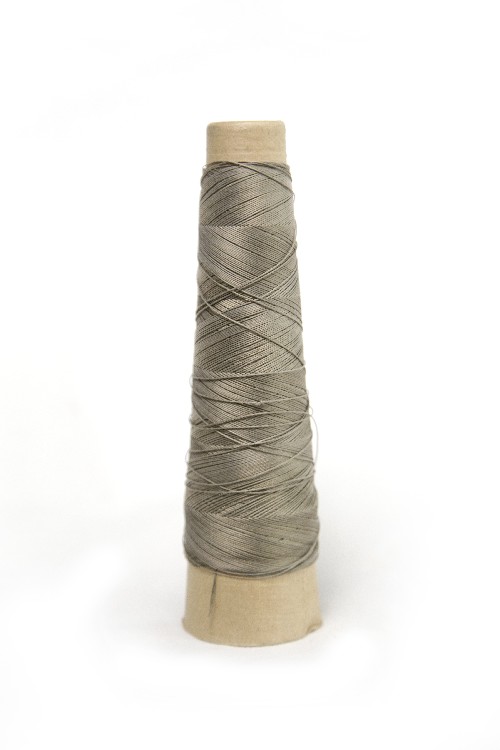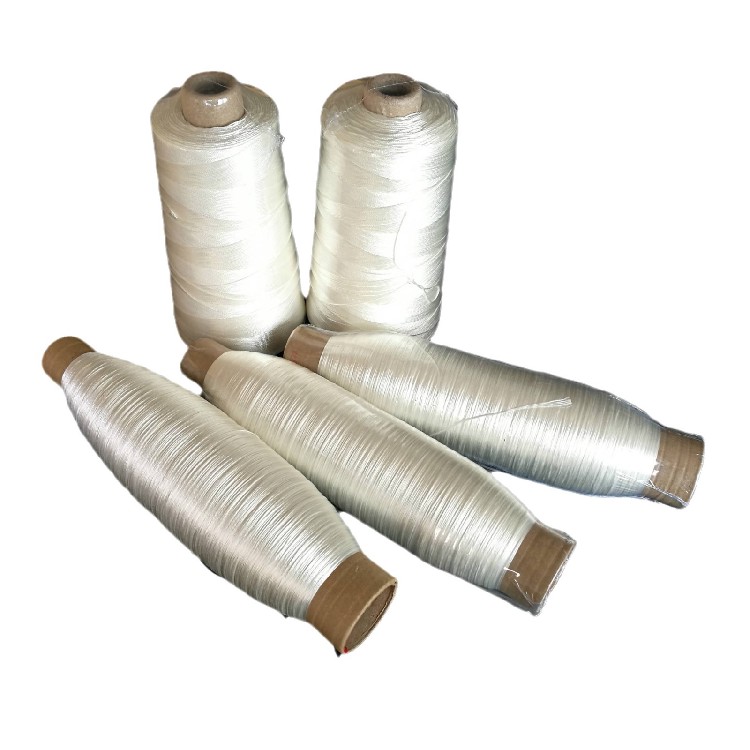
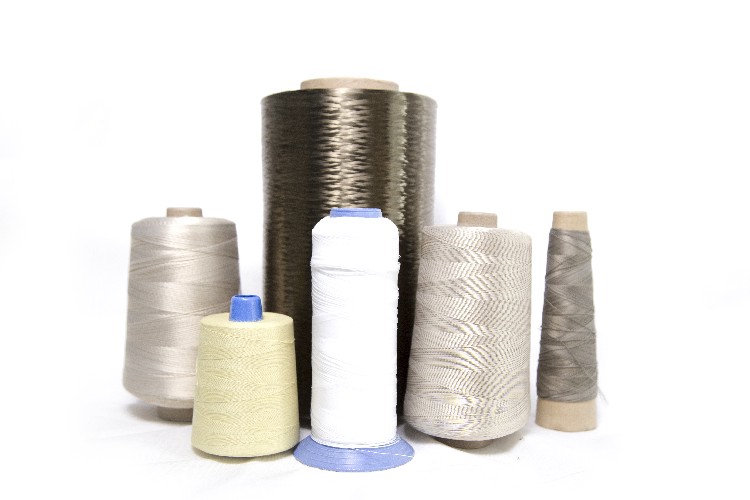
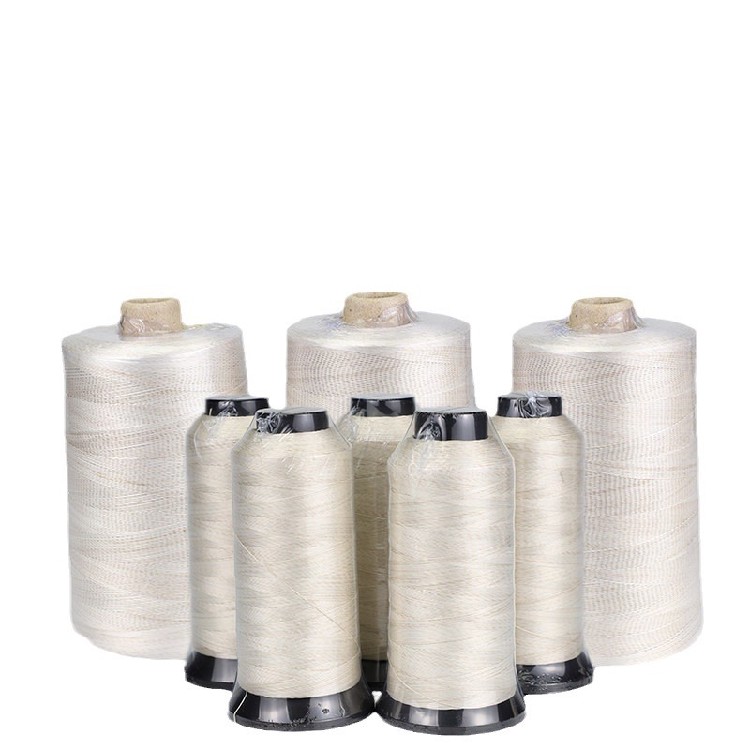
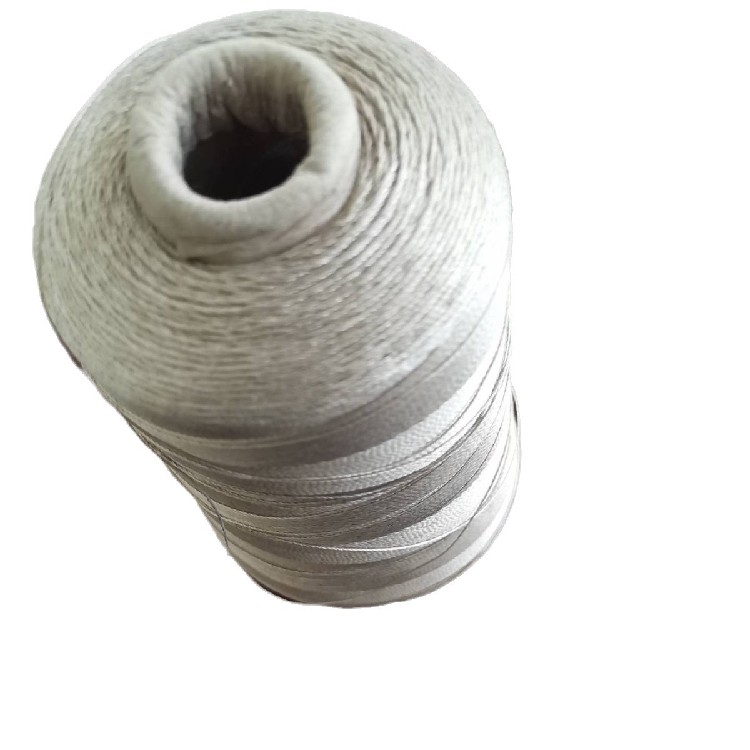
Glass Fiber Sewing Thread - High-Performance Industrial Sewing Solution
Product description
For global B2B industrial buyers seeking reliable, long-lasting sewing materials that excel in extreme conditions, glass fiber sewing thread stands out as a game-changing solution. Engineered specifically for industrial-grade applications, it outperforms ordinary sewing threads with unmatched durability, structural stability, and versatility, seamlessly adapting to the most demanding sewing challenges across diverse industries. Its integrated superior physical and chemical properties ensure consistent, reliable stitching performance even in harsh environments, making it a cost-effective choice for businesses prioritizing efficiency and product longevity.
Exceptional High-Temperature Resistance
As a core competitive advantage, the glass fiber sewing thread boasts extraordinary high-temperature stability that meets the strictest industrial standards. It maintains structural integrity and stable stitching performance in continuous operating temperatures ranging from 280℃ to 538℃, while special-grade variants can withstand extreme temperatures up to 760℃ temporarily. Unlike conventional sewing threads that melt, deform, or break under high heat, this glass fiber sewing thread remains stable and intact, making it the ideal choice for sewing high-temperature resistant products such as furnace linings, fire blankets, high-temperature filter bags, thermal shields, and fireproof workwear. It perfectly adapts to the high-temperature working environments of aerospace, steel metallurgy, glass manufacturing, and other high-heat industries, eliminating seam failure caused by temperature fluctuations and ensuring long-term operational reliability.
Superior Tensile Strength & Wear Resistance
Crafted from high-quality alkali-free glass fiber filaments through specialized processing techniques, the sewing thread delivers exceptional tensile strength and wear resistance that exceed industrial benchmarks. Its breaking strength reaches up to 88.3N (9.0kgf) for premium grades, enabling it to bear high tension during high-speed industrial sewing without breaking, stretching, or deforming. The thread’s surface is treated with advanced organic coating or PTFE coating, which significantly enhances its smoothness and wear resistance, reducing friction between the thread and the needle eye during sewing, minimizing fuzz generation and breakage incidents. This superior durability reduces sewing downtime, cuts material waste, and boosts production efficiency—directly contributing to your business’s cost savings and operational productivity.
Excellent Chemical Resistance & Insulation
With excellent chemical inertness, the glass fiber sewing thread demonstrates strong resistance to most acids, alkalis, oxidants, and other corrosive substances, maintaining its structural stability and sewing performance even in harsh chemical environments. This makes it suitable for applications in chemical processing, marine, and medical equipment industries where corrosion resistance is critical. Additionally, it features outstanding electrical insulation properties, making it an ideal choice for sewing insulation materials, electrical components, and insulation wire assemblies that require non-conductive stitching solutions. The thread is non-aging, non-toxic, and pollution-free, fully complying with international environmental and safety standards for industrial materials, ensuring compliance with global market requirements for your products.
Good Flexibility & Sewability
Breaking the common misconception that glass fiber materials are brittle, this glass fiber sewing thread undergoes special softening and finishing processes, greatly enhancing its flexibility and bend resistance. It can be easily threaded through various industrial sewing machine needles, and the stitches formed are smooth, firm, and free from stiffness or cracking. Even during high-speed sewing, the thread does not untwist, ensuring clean stitch formation and consistent sewing quality across different substrates—including glass fiber fabrics, fireproof materials, canvas, and composite materials. Suitable for both manual and mechanical sewing, it can be customized in specifications (such as diameter, twist number, and coating type) to meet the specific sewing needs of different industries and applications.
Versatile Industrial Applications
Leveraging its comprehensive performance advantages, the glass fiber sewing thread is widely used in a variety of industrial fields, becoming an indispensable sewing material for global manufacturers. Its applications include but are not limited to: aerospace (radomes, thermal shields, composite materials stitching); automotive manufacturing (heat shields, safety components, interior fabrics); construction and building materials (glass fiber wall panels, waterproof materials, fireproof structures); textile and outdoor equipment (tents, canvas, high-strength fishing nets); chemical and marine industries (corrosion-resistant fabrics, marine equipment stitching); and filtration systems (high-temperature filter bags).
Recommended products