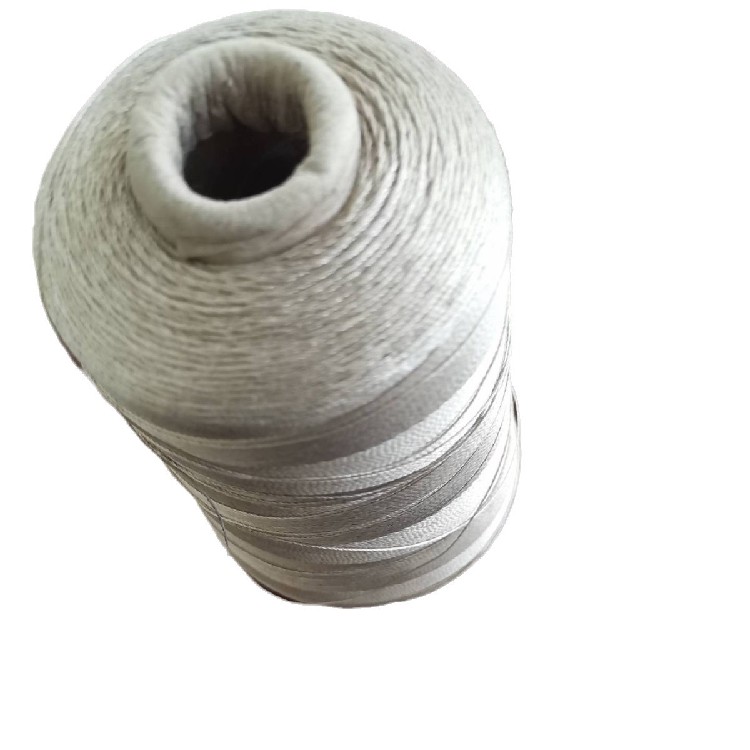
Fiberglass Sewing Thread for High-Temperature Fabric
Product description
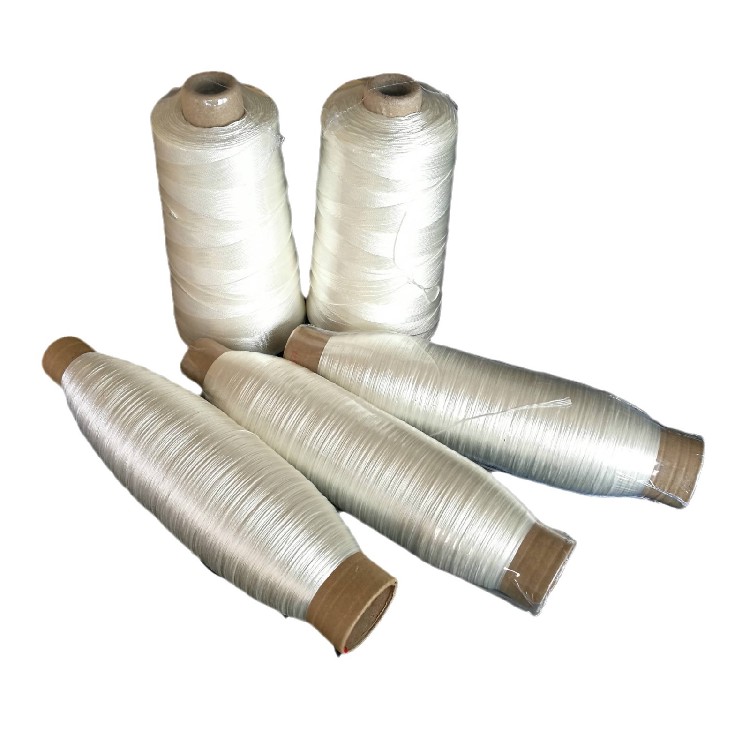
This fiberglass sewing thread is made from continuous E-glass filament yarn, and it is built for one job: stitching high-temperature fabrics that ordinary thread cannot survive.
It runs on standard industrial sewing machines and is used to sew fiberglass cloth, high-silica cloth, ceramic fiber cloth, PTFE-coated fabric and heat insulation blankets. Seams stay closed and stay strong at continuous working temperatures up to 550°C — no melting, no charring, no dropping molten fibre onto the fabric surface underneath.
Why it holds up where other threads fail
- Heat resistance to 550°C. Continuous service at high temperature without softening, shrinking back or losing strength at the seam line.
- Non-combustible. Will not support combustion and will not drip; the seam stays fireproof after stitching, so the finished cloth keeps its fire rating.
- High tensile strength, low elongation. Tight, even stitches that resist pulling apart under tension, vibration and repeated thermal cycling.
- Low shrinkage. The thread shrinks far less than the cloth around it, so seams do not pucker, gap or tear open after the first heat cycle.
- Chemical resistance. Stands up to most acids, alkalis, oils and solvents found in baghouse and furnace environments.
- Smooth, low-friction surface. Less needle heat and less friction means fewer broken needles, fewer thread breaks and steadier output on long production runs.
- Coating options. Silicone-coated for smoother feeding and better abrasion resistance, or uncoated where a clean, coating-free seam is required.
Where it is used
- Sewing high-temperature filter bags and baghouse dust collection cages
- Stitching fiberglass cloth, high-silica cloth and ceramic fiber cloth
- Fire blankets, welding curtains and fireproof protective covers
- Removable heat insulation jackets, sleeves and pads
- Expansion joints, compensators, gaskets and sealing sleeves
- Heat-resistant conveyor belting and industrial safety textiles
Available options
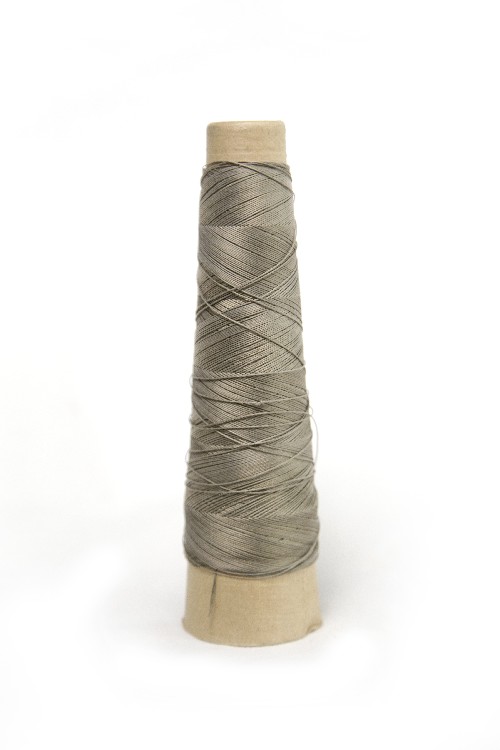
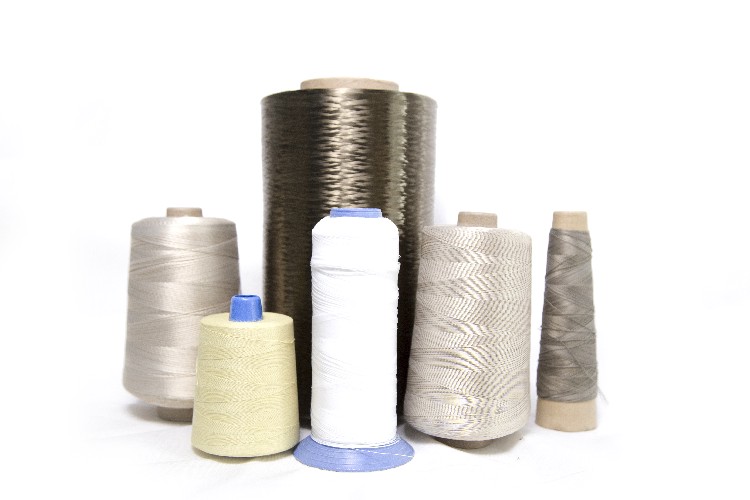
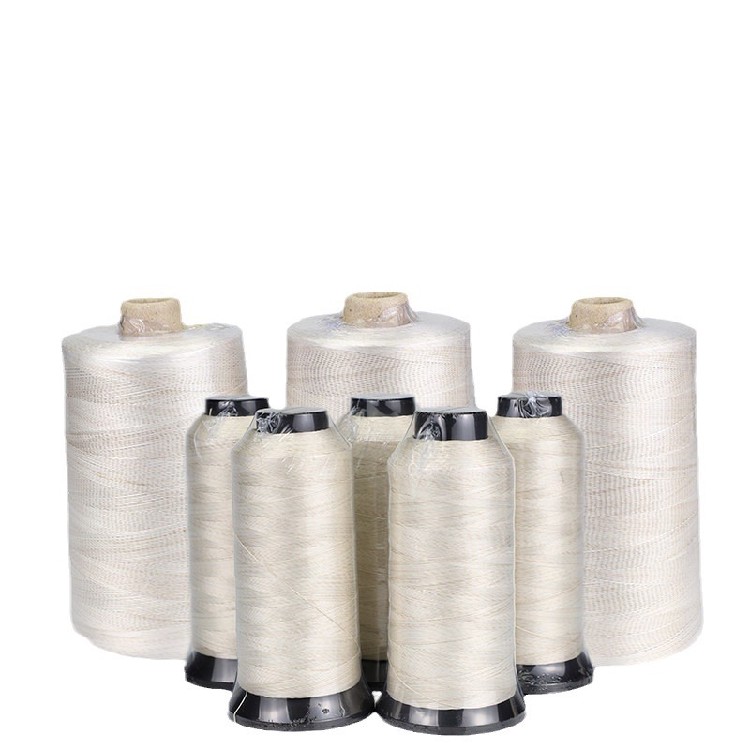
Standard counts from 33tex up to 136tex and heavier, in silicone-coated or uncoated form, packed on spools or hanks to suit your sewing line. Custom counts and coating weights can be produced to your sample or drawing.
Recommended products