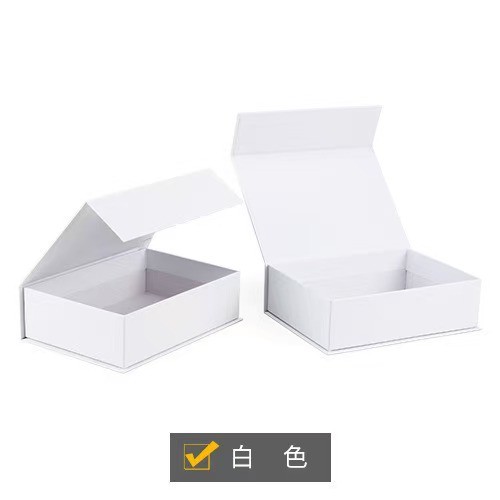
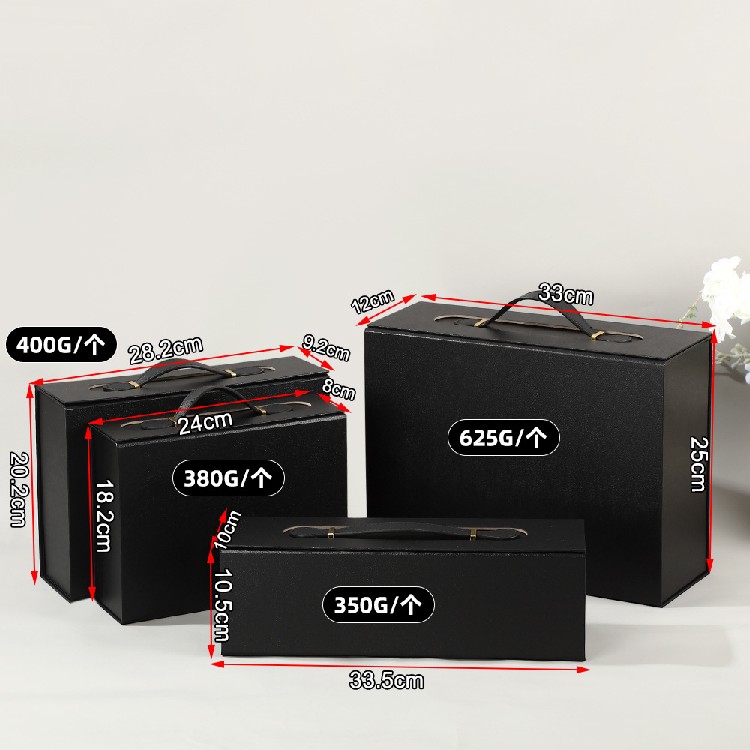
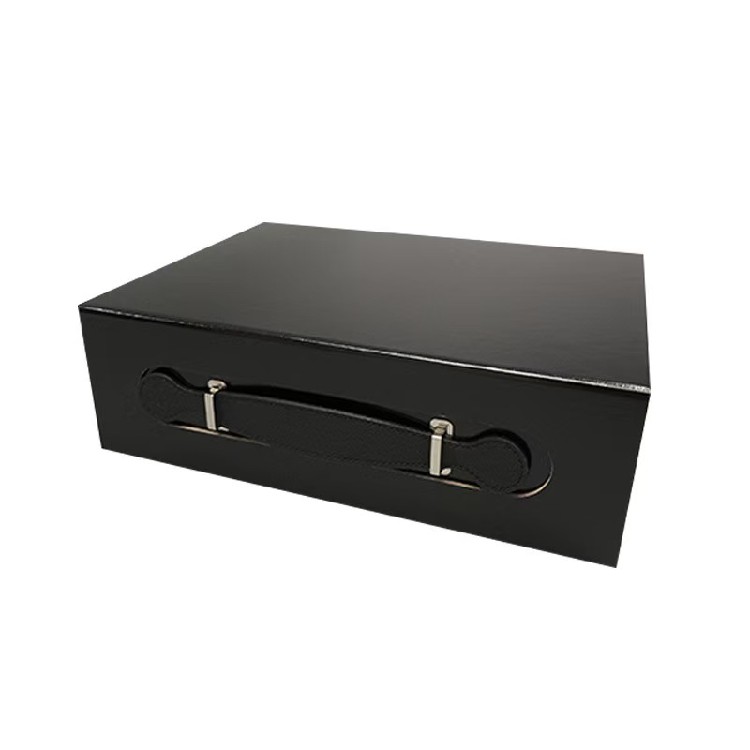
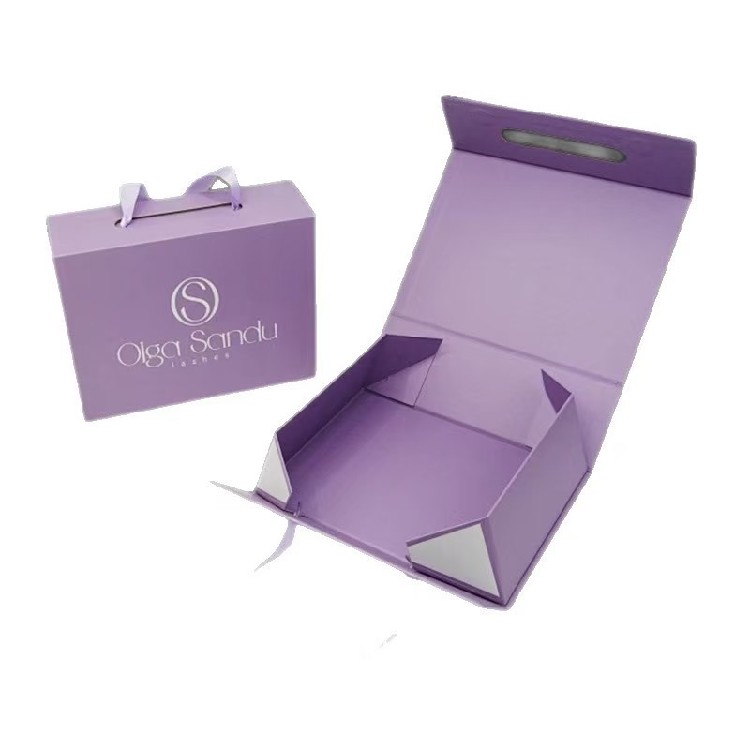
rehensive solution for irregular box packaging design, printing,
Product description
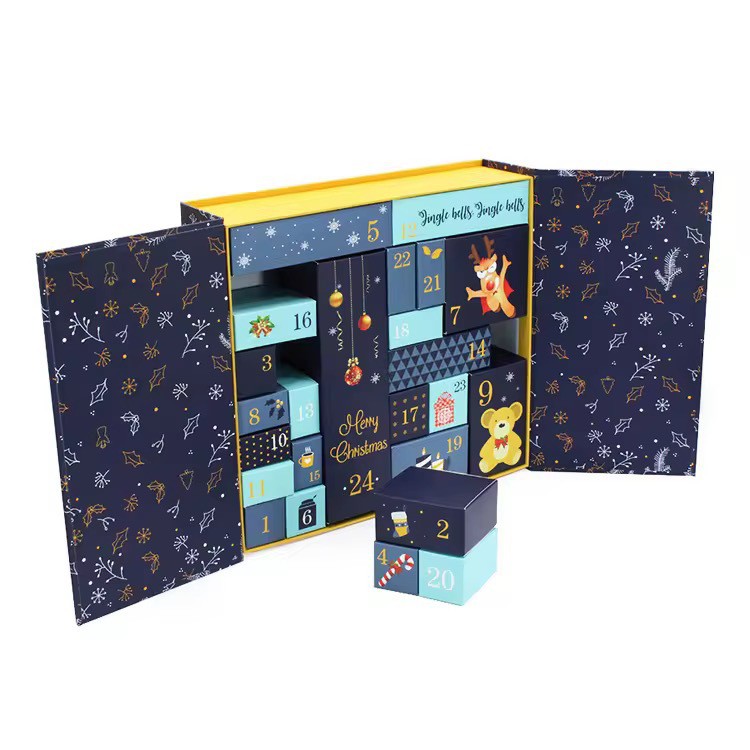
Irregular-shaped boxes have become a core packaging form for categories such as foreign trade cosmetics, 3C digital products, light luxury gifts, cultural and creative trendy toys, and premium food, thanks to their differentiated designs, strong visual memorability, and brand recognition. Compared to conventional top-bottom lid, flip-top, and drawer-style paper boxes, irregular-shaped boxes offer greater advantages in structural creativity and visual expression. However, they also impose higher requirements on design compliance, material stability, printing accuracy, process feasibility, and cross-border transportation safety.custom gift box
In foreign trade export scenarios, irregular-shaped box packaging must simultaneously consider overseas market aesthetics, destination country compliance standards, long-distance sea/air freight physical protection, bulk production costs, and delivery efficiency. The following sections will elaborate on professional and detailed practical solutions from the dimensions of design, materials, color, printing, processes, and production.printed paper box
I. Core Design Principles for Foreign Trade Irregular-Shaped Boxes
Designing foreign trade irregular-shaped boxes is not merely about pursuing exotic shapes; it is a systematic project integrating brand visuals, structural functionality, cross-border transportation, and production feasibility. The following core principles must be strictly observed:eco friendly packaging box
1. **Prioritize Structural Safety and Avoid Aesthetically Pleasing but Functionally Deficient Designs**
Common irregular shapes include curved, trapezoidal, polygonal, irregular flip-lids, hand-carried irregular shapes, non-standard openings/closings, and nested irregularities. The primary consideration in design is resistance to compression, impact, squeezing, and deformation under stacking. During long-distance overseas transportation, container stacking, cross-border transshipment impacts, and changes in temperature and humidity can easily cause box collapse, corner rupture, and failure of opening/closing mechanisms. Therefore, reinforcement at irregular fold lines, stress-bearing positions, and locking structures is essential to avoid sacrificing load-bearing protection solely for the sake of shape. Additionally, strict control over dimensional tolerances is required; foreign trade mass production standards should keep tolerances within ±0.5mm to prevent imbalanced fitting during packing and wasted space from mixed loading.
2. **Align with Overseas Market Aesthetics and Compliance Requirements**
For different markets such as the EU, North America, Southeast Asia, and the Middle East, regional cultural preferences must be adapted to: Western European markets favor minimalist geometric irregular shapes and low-saturation sophisticated aesthetics; Middle Eastern and Southeast Asian markets prefer bright visuals and(exquisite craftsmanship accents). Simultaneously, strict adherence to destination country labeling regulations is mandatory, including compulsory printing of product names, material labels, origin, warning statements, environmental recycling symbols, import compliance codes. Text layout must conform to local reading habits, and religious or cultural taboo patterns are strictly prohibited.foldable paper box
3. **Pre-Validation of Mass Production Feasibility**
Creative designs must synchronously align with die-cutting, automatic gluing, and embossing processes to avoid excessive sharp angles, narrow edges, deep irregularities, and complex nested structures that would lead to skyrocketing die costs, high scrap rates, and inability to produce small batches. Additionally, reserve a 3mm bleed area and a safety margin of more than 5mm to avoid white exposure due to cutting and critical information being trimmed, fully adapting to foreign trade printing plate-making standards.
4. **Environmental Sustainability and Recyclability Design to Adapt to Foreign Trade Barriers**
Mainstream markets such as the EU and North America have stringent packaging environmental requirements. Design should prioritize single-material recyclable structures, reducing multi-layer non-biodegradable composites and excessive metal accessories. Clearly label environmental certifications such as PEFC, FSC, recyclable, and biodegradable to avoid green trade barriers and meet cross-border customs clearance requirements.
II. Material Selection for Foreign Trade Irregular-Shaped Boxes (Precise Matching by Export Category)
Materials directly determine the stiffness, protective properties, printing quality, and cross-border transportation loss rate of irregular-shaped boxes. In foreign trade contexts, selection should be stratified based on product positioning, transportation method, and cost budget to avoid issues caused by material mismatch such as damage and customs clearance delays:
1. **E-commerce Volume-Oriented Foreign Trade Irregular-Shaped Boxes (Lightweight Small Items, Courier Cross-Border)**
Focus on lightweight, low-cost, and high shock resistance. E-pit/F-pit high-strength corrugated cardboard and 350-400g white base white cardstock are preferred. E-pit corrugation, with a thickness of 1.1-1.2mm, offers moderate stiffness, excellent cushioning, and extremely low weight, significantly reducing air freight/international courier logistics costs. F-pit corrugation has a smoother surface, suitable for direct color printing, balancing shape and protection, ideal for jewelry, stationery, and small 3C accessories.
2. **Mid-Range Foreign Trade Irregular Color Boxes (Cosmetics, Home Goods, Food)**
Balancing printing quality and structural stiffness, mainstream selections include 250-300g white cardstock and 157g coated paper laminated with 1.5-2.0mm gray board. White cardstock boasts outstanding hardness and rigidity, suitable for direct irregular die-cutting and color printing, appropriate for mid-range flip-top and curved irregular boxes. Coated paper ensures excellent color reproduction; lamination with gray board completely solves softness and deformation issues in irregular boxes, adapting to long-distance sea freight stacking scenarios.

3. **Premium Foreign Trade Irregular Gift Boxes (Luxury, Cosmetics, Health Products, Electronic Digital Products)**
Emphasizing brand quality and premium visuals, use 157-200g coated paper/specialty art paper laminated with 2.5mm thick gray board, touch paper, leather paper, gold/silver cardstock. Thick gray board ensures irregular structure stability. Specialty papers impart high-end textures such as matte, velvet, and tactile finishes, while gold/silver cardstock caters to the visual needs of premium luxury goods, suitable for exhibition and gift-level export products.
4. **Food Contact Type Foreign Trade Irregular-Shaped Boxes**
Must use food-grade white cardstock, food-grade kraft paper, and fluorescent-free virgin paper throughout. Fluorescent whitening agents and inferior adhesives must be strictly avoided to comply with EU food contact material standards and U.S. FDA standards. Ordinary industrial-grade packaging materials are prohibited to avoid customs inspection failures.
III. Color Control Standards for Foreign Trade Irregular-Shaped Boxes
Color discrepancies in foreign trade printing are a common source of customer complaints. Color control must adhere to international standards, cross-border consistency, and traceability principles to eliminate deviations between screen colors and physical colors.
1. **Mandatory Use of CMYK Printing Mode, Prohibition of RGB**
All design files must be converted to CMYK four-color printing mode. RGB is a screen display color; direct printing will result in severe color shifts, dullness, and saturation imbalance. Foreign trade printing files must never be used in RGB format.
2. **Pantone Spot Colors Calibration for Premium Products**
Products with strict requirements for brand logos, standard colors, and visual IPs should uniformly use Pantone spot colors for printing. Provide corresponding Pantone color numbers, confirm on-site with international color cards, ensuring complete color consistency across global batches and different factories, strengthening brand visual uniformity.
3. **Strict Control of Color Change During Cross-Border Transportation**
Long-distance sea freight exposes packaging to high temperatures, high humidity, and ultraviolet radiation,极易引发褪色、黄变、油墨迁移 (easily causing fading, yellowing, and ink migration). Therefore, UV-resistant, abrasion-resistant, and heat-resistant eco-friendly inks must be selected. Light-colored bases and high-brightness color systems require additional anti-fading treatments to prevent appearance degradation upon arrival.
4. **Unified Sample Approval and Sealing, No Verbal Confirmation**
All colors must be approved through pre-production samples and sealed customer-approved samples, serving as the sole standard for mass production, inspection, and customer complaint accountability. Computer screens and mobile phone screenshots are strictly prohibited as color acceptance criteria, eliminating foreign trade color discrepancy disputes from the source.
IV. Printing and Surface Process Selection (Core of High-End Sensory Experience for Foreign Trade)
**(A) Printing Methods**
1. **Offset Printing**: The mainstream printing method for foreign trade irregular boxes, offering fine halftones, accurate color reproduction, and controllable mass production costs. Suitable for conventional materials such as coated paper, white cardstock, and corrugated cardboard, meeting large-volume export order production.
2. **UV Printing**: Ink dries instantly, resulting in vibrant and rich colors. Suitable for printing on gold/silver cardstock and non-absorbent specialty papers with strong process adhesion. Ideal for premium irregular gift boxes and anti-counterfeiting packaging, though small-batch costs are relatively high.
3. **Flexographic Printing**: Suitable for corrugated irregular boxes, offering excellent environmental friendliness and thick ink layers. Appropriate for food and fast-moving consumer goods (FMCG) foreign trade volume packaging, complying with EU low-VOC environmental requirements.
**(B) High-End Post-Press Processes (Paired by Foreign Trade Categories)**
1. **Lamination**: Matt lamination enhances sophistication, suitable for minimalist Western European styles; gloss lamination improves wear and moisture resistance, suitable for long-distance sea freight; touch lamination creates a velvety skin feel, preferred for premium cosmetics and luxury gift boxes.
2. **Hot Foil Stamping (Gold/Silver/Colored)**: Using eco
Recommended products