The design, printing and production process of folding box packaging for foreign trade companies
Product description
Folding boxes have long become the mainstream choice for export packaging due to their core advantages of flat transportation, quick assembly, efficient warehousing, and controllable costs. They are widely compatible with full-category overseas shipping needs, including cosmetics and skincare, apparel and accessories, 3C electronics, home and gift items, food and fast-moving consumer goods, and light luxury cultural and creative products. In foreign trade scenarios, folding box packaging design is not merely about visual beautification; it is a systematic project that market aesthetics, cross-border transportation protection, international environmental compliance, brand visual consistency, customs clearance convenience, and end-terminal display. The four core modules—color, material, process, and printing—directly determine the product's overseas competitiveness, brand quality, and export implementation effectiveness. The following provides a comprehensive professional analysis.
One: Color Design: Align with Overseas Markets, Balancing Aesthetics and Compliance
Color selection for foreign trade folding boxes must abandon single domestic aesthetics and strictly adhere to four principles: target market cultural preferences, brand positioning, product attributes, and international compliance, to avoid cultural taboos and visual pitfalls.foldable paper box
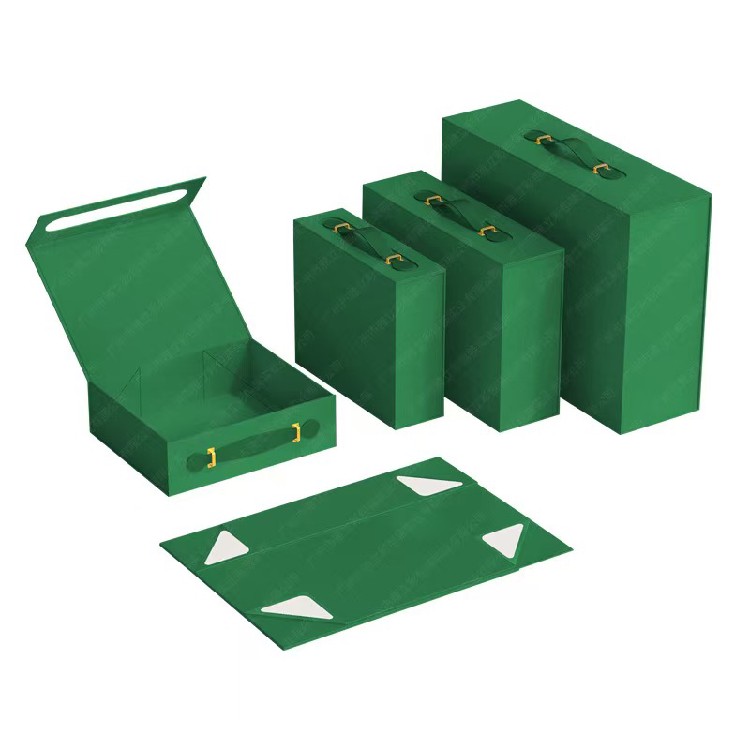
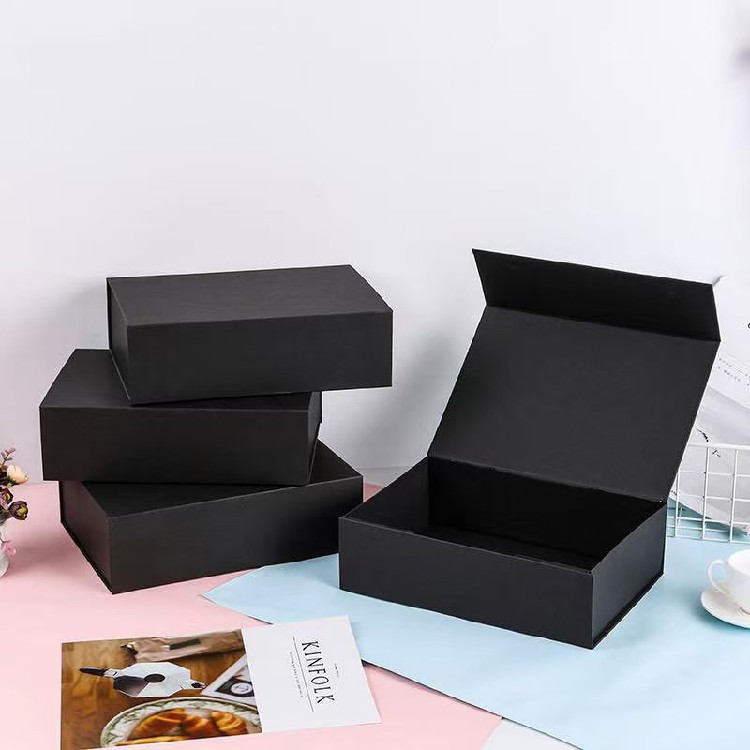
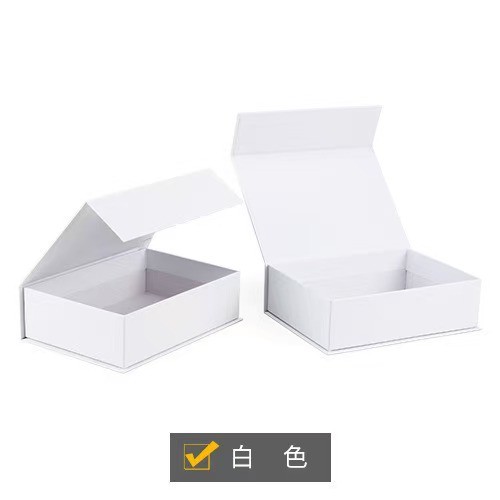
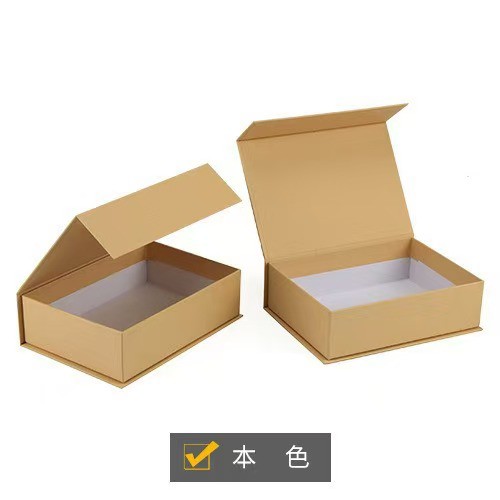
At the basic color system level, low-saturation neutral colors such as white, beige, light gray, and matte black are globally safe color systems, suitable for high-end, minimalist, and eco-friendly product positioning. They offer a clean and sophisticated visual appeal, are not of consumer demographics, and particularly align with mainstream markets in Europe, the Middle East, and Southeast Asia. Blue represents professionalism and reliability, making it suitable for foreign trade products in 3C electronics, home goods, and hardware. Green directly targets the overseas eco-consumption trend, perfectly matching the export positioning of organic food, natural skincare, and recycled material products. Earth tones and natural wood tones follow the retro-natural trend and are favored by overseas niche luxury and cultural and creative lifestyle brands.food packaging box
For markets, color design requires precise localization: European and American markets prefer low-saturation Morandi and ultra-minimalist colors, rejecting complex and vibrant hues. Southeast Asian and Middle Eastern markets can moderately incorporate light luxury bright colors like gold and red to highlight festivity and premium quality. Simultaneously, strict avoidance of color taboos and adherence to religious and folk color boundaries across countries are enforced.
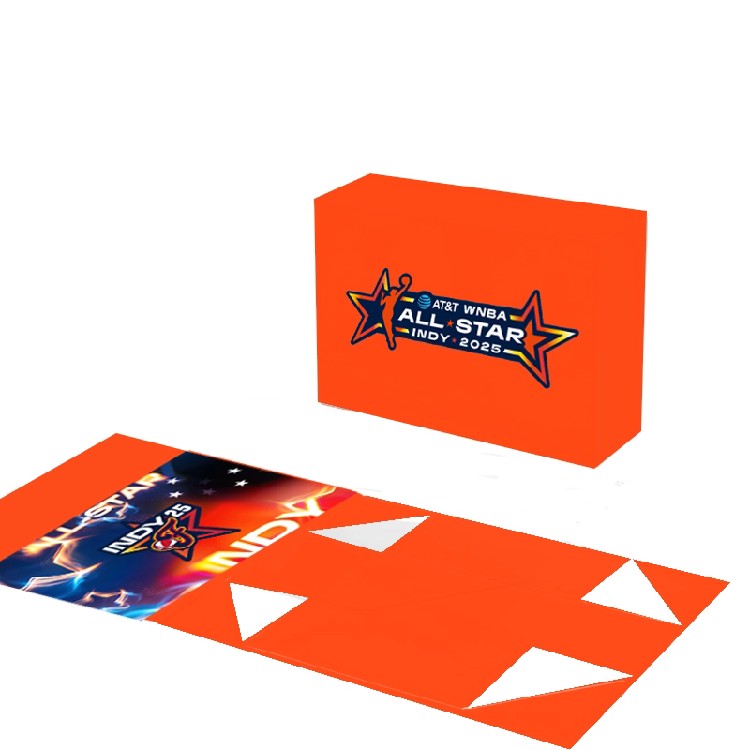
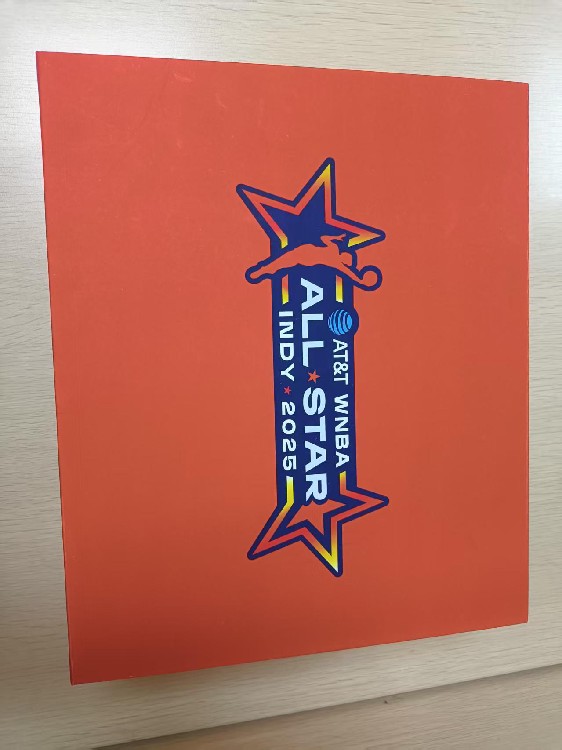
Professionally, foreign trade folding boxes uniformly adopt the CMYK four-color printing + Pantone (PMS) calibration scheme to eliminate color differences caused by cross-border transportation and different printing equipment, ensuring global terminal visual consistency. Large-area solid colors paired with局部 accent colors balance printing costs and visual memorability, fully adapting to large-batch foreign trade production.custom gift box
Two: Material Selection: Balancing Protection, Cost, and Foreign Trade Environmental Requirements
Material is the core skeleton of foreign trade folding boxes, directly determining compressive and impact resistance, transportation loss rate, environmental compliance for customs clearance, and product quality. Material selection prioritizes lightweight durability, flat foldability, recyclability, FSC certification, and low-cost sea freight. Mainstream materials are divided into two systems: surface packaging paper and base corrugated board.
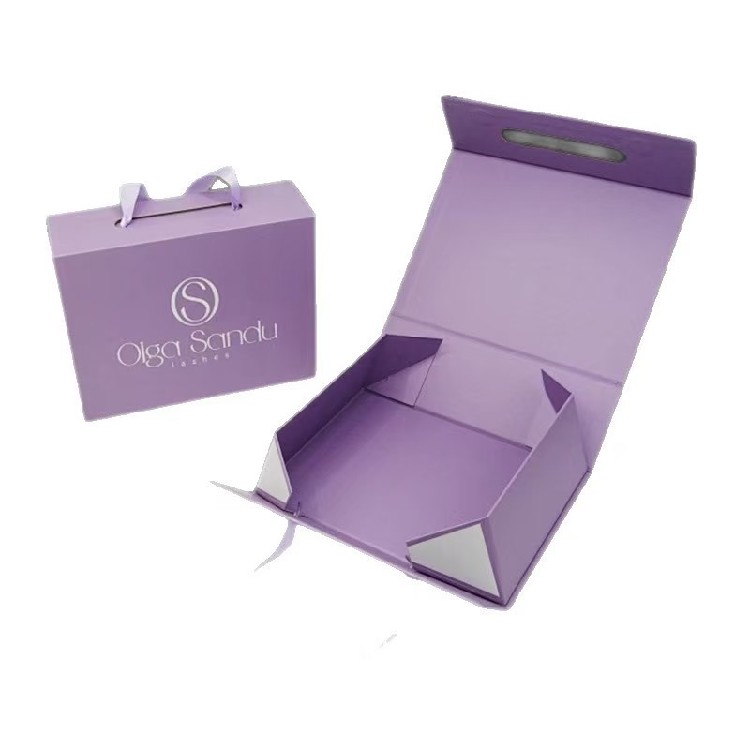
Surface packaging paper primarily focuses on print presentation and tactile expression: White cardstock offers good rigidity and rich print coloration, suitable for standard export color boxes for mass-market products. Coated paper has a smooth surface and extremely high color reproduction accuracy, often used for folding boxes with high-definition graphics and brand visuals. Kraft paper highlights its natural texture, is cost-effective, and has maximum degradability, perfectly aligning with overseas environmental policies and being the preferred choice for daily use, food, and minimalist product categories. Tactile paper, pearl paper, and artistic specialty papers are used for luxury and gift foreign trade products, significantly enhancing packaging premium and end-terminal competitiveness.
Base corrugated board mainly consists of gray board, single-ply cardboard, and corrugated board, with grammage ranging from 250gsm to 600gsm. High-end custom options can use thickened gray board of 1200gsm to 1800gsm, balancing support and foldability. Light products use single-layer cardboard folding boxes. Fragile or heavy products are paired with thickened cardboard or thin corrugated layers to enhance anti-pressure and shock protection during long-distance cross-border transportation.China packaging box manufacturer
In current foreign trade exports, FSC certification, recyclability, biodegradability, and membrane-free eco-friendly materials have become mandatory requirements. Particularly in European and North American markets, eco-friendly materials not only reduce customs clearance resistance but also align with overseas consumers' sustainable consumption concepts, becoming a core for foreign trade packaging.
Three: Process Design: Adapting to Foreign Trade Mass Production, Enhancing Brand Premium
The core principle of process selection for foreign trade folding boxes is controllable high-end quality, stable mass production, minimal additional lead time and cost, and adaptability to flat transportation, rejecting complex and fragile processes. Mainstream processes are divided into surface protection and value-added finishing.
Basic surface processes primarily include lamination and varnishing, which are standard for foreign trade exports: Glossy lamination is highly transparent, scratch-resistant, and water-resistant, suitable for high-cost-performance fast-moving consumer goods. Matt lamination offers a sophisticated, non-reflective, and textured appearance, preferred for high-end foreign trade folding boxes. It also effectively resists maritime humidity, friction, and scratches, protecting the integrity of printed graphics. Water-based UV varnishing is environmentally friendly, odorless, meets eco-standards for food and skincare products, has better breathability, and adapts to strict customs requirements.
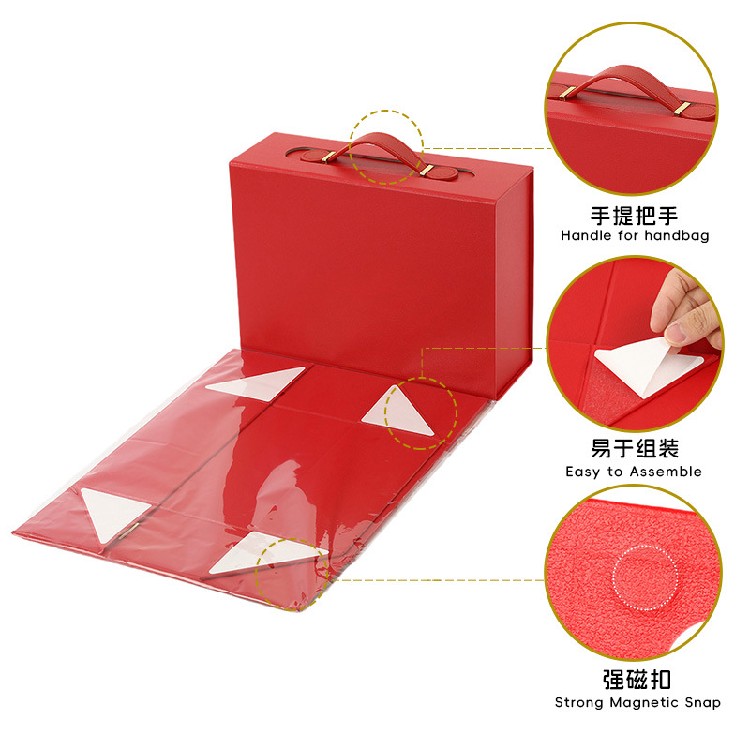
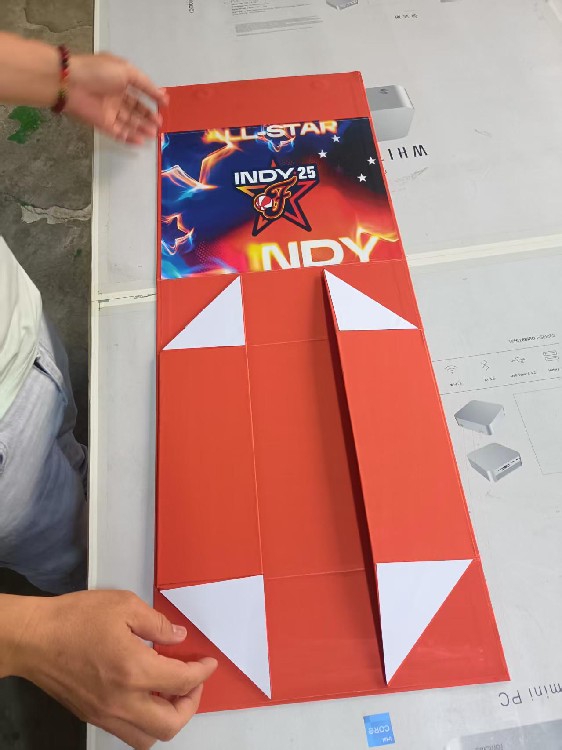
Value-added processes are used for brand differentiation: Hot stamping (gold, silver, colored gold) highlights brand logos and core slogans, creating a strong luxury feel, suitable for gifts, cosmetics, and high-end accessories. Embossing/debossing and embossed patterns create立体 tactile sensations without additional ink, enhancing packaging sophistication. Spot UV highlights product patterns and brand identifiers, maximizing visual. Magnetic closures, self-locking bottoms, and snap-fit structures enable glue-free quick assembly, significantly improving the end-user experience for overseas consumers while maintaining flat packing to save sea freight and warehousing space.

Four: Printing Scheme: Professional Foreign Trade Standards, Stable Mass Production Implementation
Printing for foreign trade folding boxes centers on scalability, standardization, low color difference, and high adaptability, fully aligning with foreign trade mass production and cross-border shipping needs. Mainstream printing methods and specifications are mature and controllable.
Conventional bulk orders use offset printing, offering stable printing, uniform color, and low unit cost, perfectly adapting to foreign trade's large-volume, multi-style, and tight lead time order requirements. Small-batch trial orders and custom samples use digital printing, requiring no plate-making, low minimum order quantities, and fast sample production, assisting foreign trade clients in quickly confirming samples and connecting with overseas buyers.
In color management, CMYK four-color printing meets full-color graphics and product scene display needs. Pantone (PMS) is used for precise replication of brand standard colors and logos, eliminating color differences across batches and factories from the source, ensuring global brand visual consistency.
Printing content design strictly complies with foreign trade regulations: Clear multi-language labeling of product information, material descriptions, environmental labels, origin tracing, warning statements, and barcode information. Reserved positions for customs clearance, label attachment, and logistics stickers. Clean and uncluttered designs with no redundant elements. Strict control over ink environmental standards, using benzene-free, food-grade eco-inks, fully complying with EU REACH and North American packaging pollutant control requirements to avoid export inspection risks.
In summary, foreign trade folding box packaging design is a multi-dimensional balance of market adaptation, functional practicality, environmental compliance, cost control, and brand communication. A mature foreign trade packaging solution can reduce sea freight and warehousing costs, minimize transportation losses through its flat structure, and quickly align with overseas market rules and consumer aesthetics through precise color, eco-friendly materials, mature processes, and standardized printing. It truly becomes a core carrier of competitiveness for foreign trade products, helping brands achieve dual improvements in quality and profit in the global market.
Recommended products