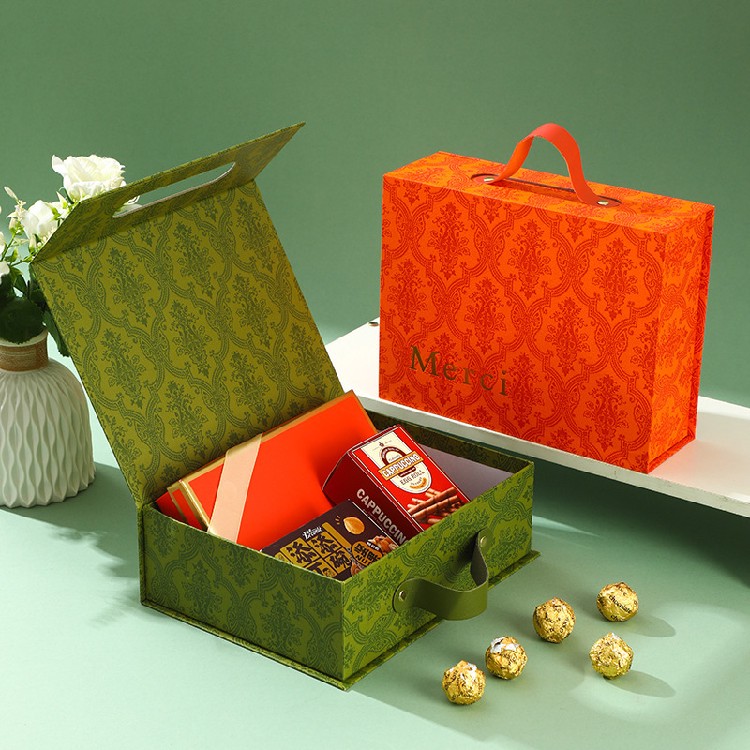
Design, printing, color, material, process and compliance precautions for color box packaging of foreign trade companies
Product description
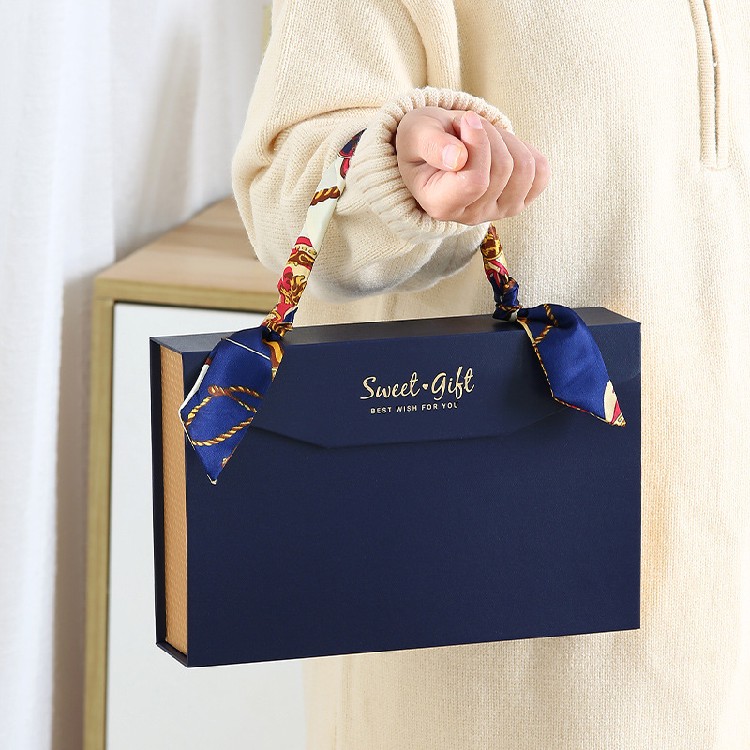
lor boxes serve as the core external packaging for export products, integrating multiple functions such as product protection, brand display, transportation compatibility, and compliance with overseas markets. Compared to domestic packaging, export color boxes have higher requirements in terms of material stability, color standardization, process precision, and international compliance, directly impacting product customs clearance, shelf display effects, and overseas consumers' purchasing intentions. This article provides a detailed analysis of the core points of export color box packaging printing from five dimensions: material selection, design specifications, color control, printing processes, and special considerations for exports.、China packaging box manufacturer
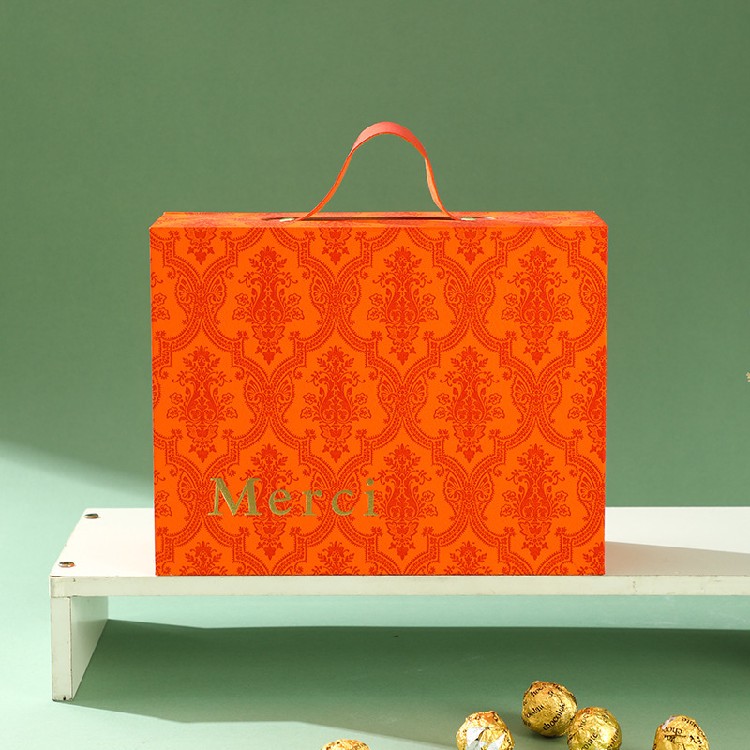
I. Core Material Selection (Adapting to Different Export Scenarios)
Export color box materials must be precisely selected based on product weight, transportation distance, target market climate, and cost budget. Mainstream materials are divided into three categories. First is white cardboard, the mainstream material for export fast-moving consumer goods. Commonly used imported or domestic high-loft white cardboards range from 250g to 400g. They feature a clean, flat surface, good stiffness, high color reproduction accuracy, and are suitable for lightweight products such as cosmetics, 3C accessories, home small items, and gifts. They adapt to most markets in Europe, America, and Southeast Asia. Second is kraft paperboard, which is strong, tear-resistant, and offers good cost-performance. Primarily using natural-colored kraft paper, it is mostly used for heavy product packaging such as hardware tools, small appliances, and auto parts. It aligns with the minimalist and industrial aesthetic preferences of overseas markets and meets the environmental requirements of the European Union market. Finally, corrugated color boxes, categorized into micro-flute types such as E-flute, F-flute, and B-flute, combine cushioning properties with flatness, addressing issues of roughness and inability to print finely that ordinary corrugated boards present. They are suitable for exporting fragile items and medium-to-large products and are the preferred material for cross-border sea and air freight.cosmetic packaging box
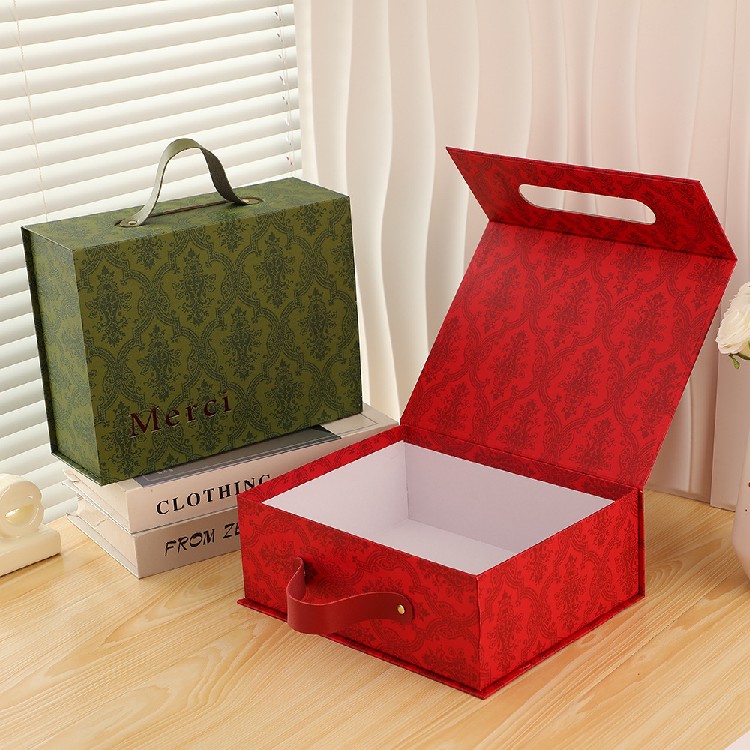
Core principles for export material selection: For long-distance sea transport, prioritize highly foldable and moisture-resistant materials; for premium European and American markets, opt for high-grammage imported cardstock to ensure packaging quality; for low-end essential markets, choose high-cost-effective domestic materials to balance cost and quality.eco friendly packaging box
II. Core Design Specifications (Adapting to Overseas Aesthetics and Display)**
Export color box design differs from domestic design, focusing on simplicity, internationalization, information compliance, and display adaptation. Firstly, layout design should avoid cluttered elements, adopting minimalistic layouts, ample white space, and high-definition product photographs to comply with overseas supermarket shelf display rules and meet the mainstream aesthetics of various regions such as Europe, America, the Middle East, and Southeast Asia. Secondly, text information design must accurately correspond to the language of the export country. English is standard for European and American markets, while local languages are required for markets like Russia, Germany, and France. Product parameters, ingredients, certification marks, origin, and warning statements must be strictly labeled, avoiding textual errors, grammatical mistakes, and typos.
Additionally, designs must reserve process areas and die-cut margins. All lines and patterns should avoid crease lines and cutting lines to prevent pattern breaks and text cuts during post-processing. Files should uniformly use vector formats such as AI and PDF to ensure no jagged edges when scaled, meeting high-precision printing requirements.
III. Color Printing Control (Preventing Export Color Discrepancy Disputes)
Color deviation is one of the most common after-sales issues in export packaging. Overseas clients have extremely high requirements for color consistency and standardization. International color standards must be strictly followed. Printing should uniformly adopt CMYK four-color printing mode, prohibiting output in RGB screen color modes to avoid color differences between screen display and physical prints. Premium brand color boxes can incorporate spot color printing, using Pantone PANTONE color cards for reference to ensure zero color deviation across batch orders and reorders.
Adjust color parameters according to the base color of the material. For deep-toned kraft paper bases, increase ink saturation; for light-toned patterns on white card, reduce dot deviation. A sample proof must be produced before mass production, confirmed and sealed by the client, and all subsequent production must be controlled against this sample to resolve color differences across batches and different printing equipment.
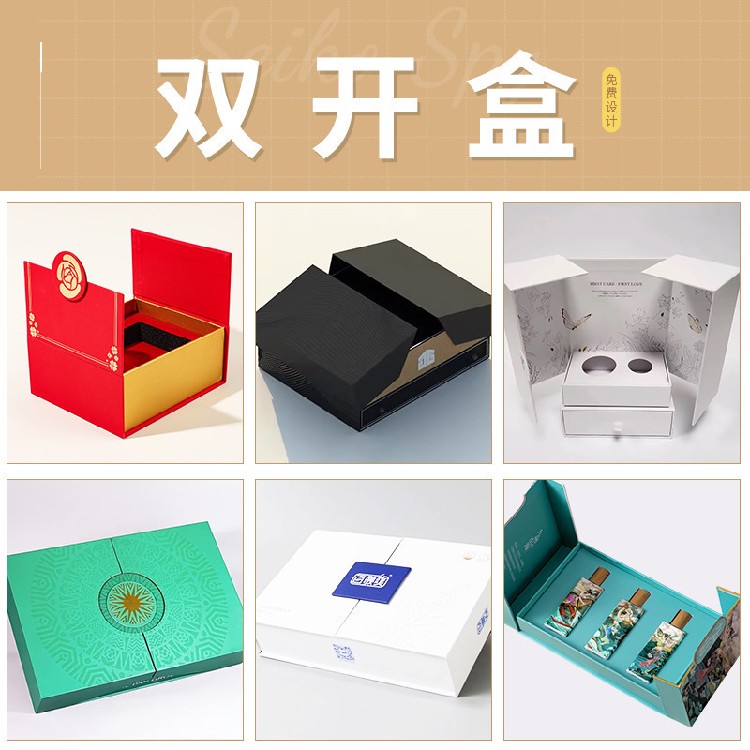
IV. Mainstream Printing Processes (Enhancing Export Product Value)
Finely crafted processes on export color boxes enhance quality and档次, adapting to different product positioning, with mainstream processes offering strong versatility. First, lamination, divided into glossy and matte finishes. Glossy lamination is water and scratch-resistant with high glossiness, suitable for fast-moving consumer goods. Matte lamination offers an upscale texture, fingerprint resistance, and non-reflectivity, ideal for premium cosmetics, luxury goods, and electronics, making it the mainstream choice in European and American premium markets. Second, hot stamping (gold, silver, or colored), which uses metallic texture to highlight brand logos and core selling points, enhancing packaging sophistication, commonly used for export packaging of premium gifts, hardware, and kitchenware. Third, UV coating. Spot UV creates raised,立体 patterns and text that are wear and scratch-resistant, balancing texture and practicality, suitable for 3C product packaging. Fourth, embossing/debossing, a chemical-free physical impression method that is environmentally friendly, odorless, compliant with EU environmental standards, subtly upscale, and adaptable to various premium export products.
V. Special Considerations for Export Packaging
1. **International Compliance Requirements**: Packaging for the European Union market must comply with ROHS and REACH environmental standards, prohibiting the use of materials containing heavy metals and harmful inks. The U.S. market requires food-grade packaging standards (for food products) under FDA regulations, with strict control over formaldehyde and VOC content in packaging to avoid customs detention.
2. **Transportation Adaptability**: To address humid conditions in sea transport, finished color boxes should undergo moisture and oxidation treatment, with waterproof films added to outer packaging. Die-cut dimensions must be precise to ensure tight fitting of boxes, preventing bursting or deformation during transit.
3. **Copyright and Anti-counterfeiting**: Avoid using unauthorized fonts, images, and patterns to prevent overseas copyright claims. Premium products can incorporate embossed, anti-counterfeit hot-stamped, or hidden pattern processes to deter counterfeiting.foldable paper box
4. **Batch Standardization**: As export orders are typically large-scale, ensuring uniformity in color, process, and dimensions across the entire batch is critical. Strict quality control standards must eliminate defects such as dirt spots, misregistration, scratches, and wrinkles.
In conclusion, export color box packaging and printing represent a systematic engineering effort encompassing materials, design, color, processes, and compliance. Only by combining target market demands, transportation scenarios, and brand positioning to meticulously control each can export packaging that meets international standards, combines aesthetics and practicality be created. This will help products enter overseas markets and enhance brand international competitiveness.
Recommended products