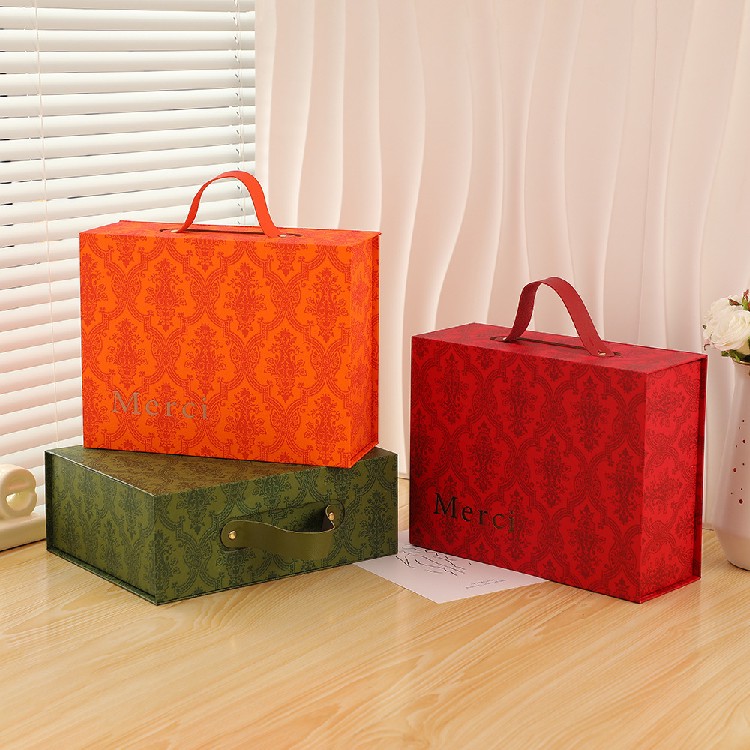
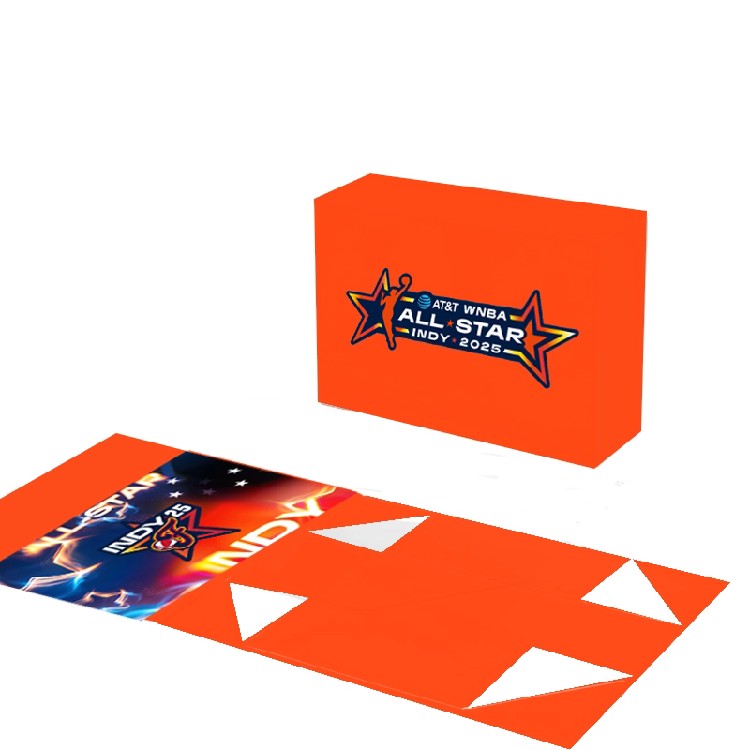
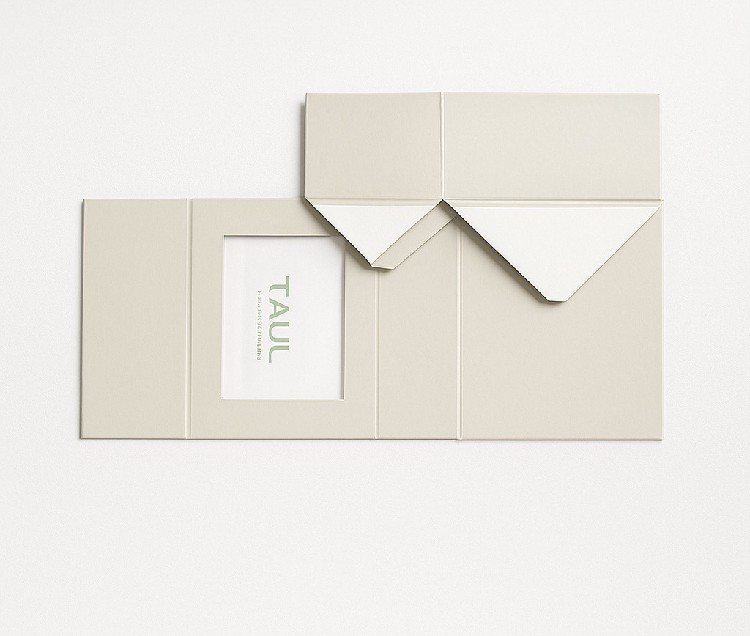
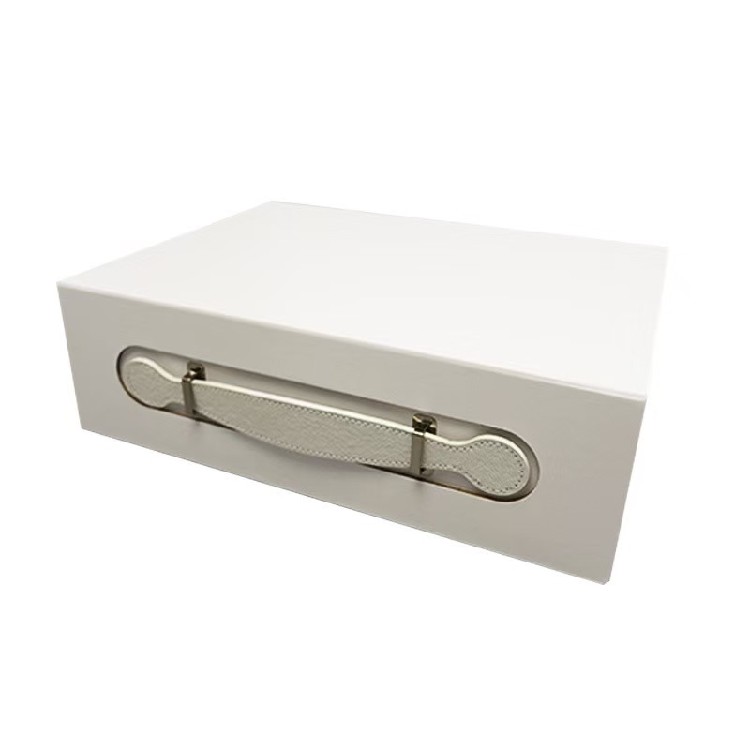

Comprehensive considerations for trap box Packaging Design in foreign trade companies
Product description
As the core carrier for cross-border cargo transportation, terminal display, and brand presentation, foreign trade corrugated boxes differ from domestic ordinary packaging boxes. They must balance the damage resistance of international logistics, overseas market aesthetic standards, customs compliance requirements, and batch production stability. Every detail in material selection, structural planning, color coordination, printing process, and post-processing during the box design directly determines product transportation breakage rate, terminal appearance, brand reputation, and order pass rate. The following comprehensively outlines professional precautions for each环节 based on practical experience in the foreign trade industry.luxury packaging box
I. Material Selection Precautions
Foreign trade corrugated box materials should prioritize adaptation to transportation scenarios, product weight, and climate of the export destination as three core elements. Mainstream materials include E-flute, F-flute, B-flute, A-flute, BE double flutes, AE double flutes, etc. Blindly selecting materials must be avoided to prevent cost waste or transportation damage.eco friendly packaging box
For lightweight cross-border e-commerce products, gift boxes, and outer packaging for digital accessories, E-flute and F-flute are preferred. They have fine corrugation, flat box surfaces, moderate hardness, high printing reproduction accuracy, are suitable for color precision printing and terminal supermarket displays, and their light and thin volume can reduce international air freight and sea freight volumetric weight costs. For medium-weight daily necessities and hardware accessories, B-flute is suitable for its resistance to lateral pressure and wear, making it ideal for stacked transportation. For heavy industrial parts and fragile glass/ceramic products, AB double flutes or BE double flutes must be used, offering extremely strong pressure resistance and shock absorption, suitable for long-term stacking and bumpy conditions in ocean freight.
Attention must also be paid to foreign trade compliant material requirements. For markets in Europe, the U.S., and the EU, the paper for corrugated boxes must meet ROHS and REACH environmental standards, containing heavy metals or excessive fluorescent agents. For humid regions in the Middle East and Southeast Asia, moisture-proof lamination kraft paper or high-grammage kraft paper should be selected to avoid softening, bulging, and damage due to container humidity during sea freight. Additionally, foreign trade orders must specify the grammage of the original paper. Conventional face paper for corrugated boxes should use 230–300g kraft or white cardstock, avoiding low-cost recycled mixed paper to prevent issues like paper powdering, color difference, and flute bursting.
II. Structural Design Precautions
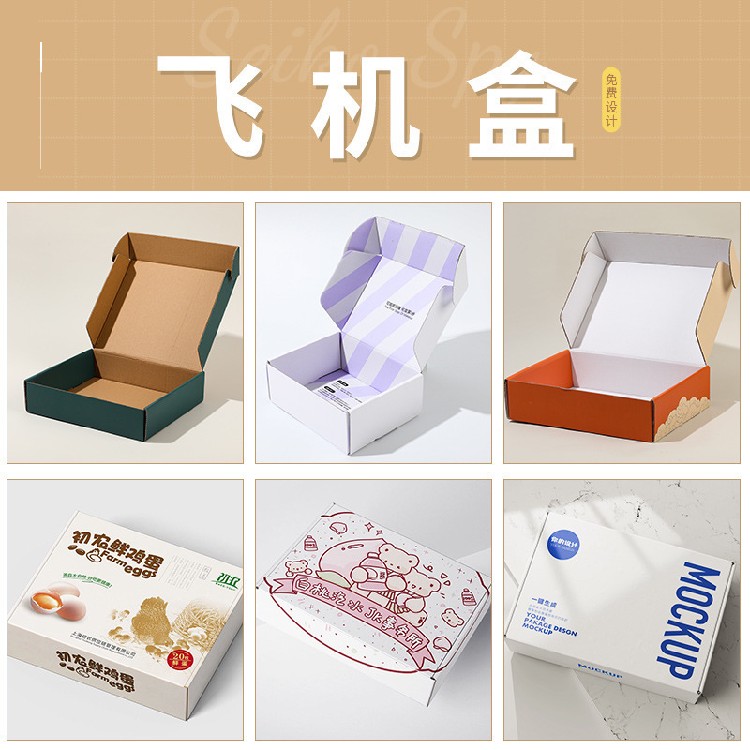
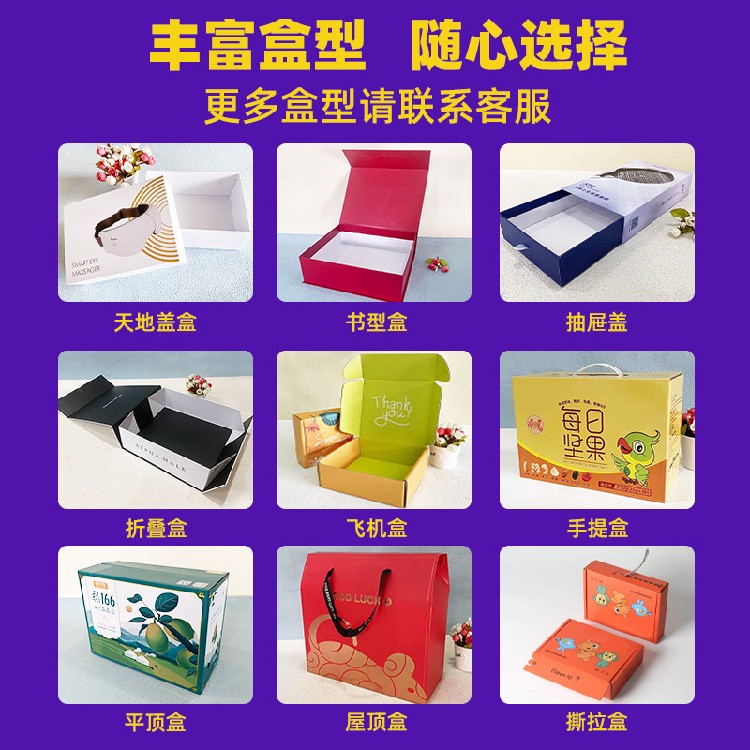
The core principle of foreign trade corrugated box structural design is: adapt to automated packaging, withstand long-distance logistics, save container space, and conform to overseas unboxing habits. Firstly, the structure should be standardized, prioritizing universal foreign trade structures such as top-bottom lids, foldable self-locking bottoms, airplane boxes, and snap-bottom boxes. Avoiding complex irregular structures not only reduces mold opening costs but also enables compatibility with factory automatic box gluing and automatic packing equipment, improving bulk shipping efficiency.
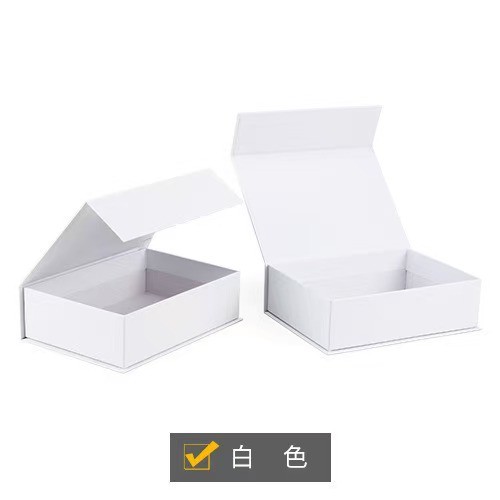
Secondly, focus on reinforcing logistics protection structures. For fragile and precision products, the internal structure of the box should be designed with integrated positioning grooves, shock-absorbing hollow spaces, and folded edge reinforcement, without the need for additional foam auxiliary materials. This meets international environmental packaging requirements and prevents goods from shifting and breaking during sea freight vibrations. Box corners should be rounded instead of using right angles to effectively prevent corner bursting and tearing of the outer box during transportation, while enhancing the product's premium feel.China packaging box manufacturer
Optimizing container space is a key aspect of foreign trade structural design. The length, width, and height of the box should be designed according to standard container and courier pallet dimensions, controlling the stacking gap for full containers to maximize the utilization of sea freight container space and reduce unit logistics costs. Additionally, all structures must reserve precise tolerances. For bulk foreign trade orders, tolerances should be controlled within ±1mm to avoid issues such as jamming when opening/closing bulk packaging boxes, misalignment in registration printing, and loose assembly.
III. Color Design Precautions
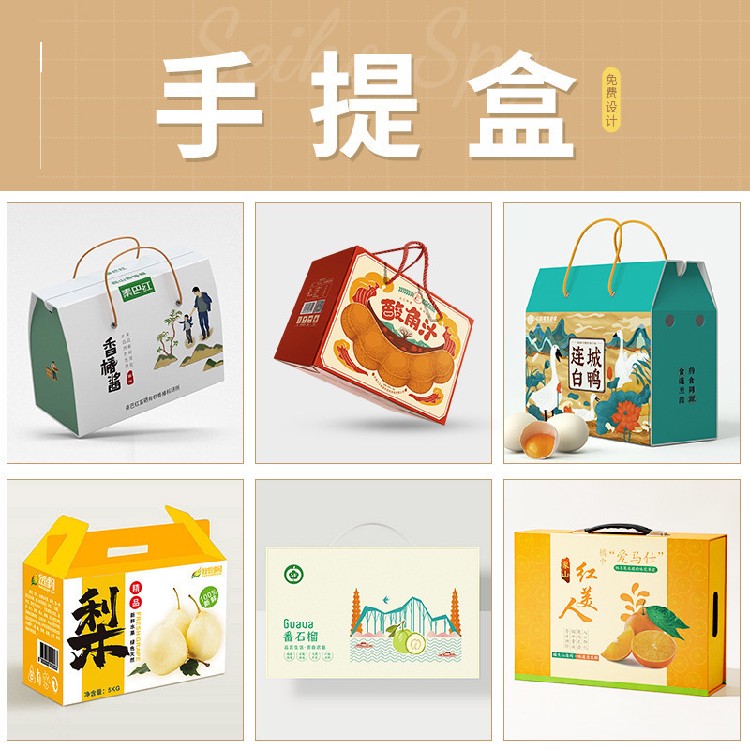
Foreign trade corrugated box color design must align with overseas market aesthetics, brand VI uniformity, and printability, avoiding cross-border color pitfalls. European and American markets prefer simple and sophisticated low-saturation color schemes, Morandi colors, and classic black, white, and gray; avoid large areas of vivid and glaring colors. Middle Eastern markets favor luxurious and heavy color schemes such as gold, navy blue, and wine red. Southeast Asian markets are suitable for bright and fresh color schemes, which should be adjusted precisely according to the target market.
In terms of color technology, foreign trade precision-printed corrugated boxes uniformly use CMYK four-color overprinting. The use of RGB screen colors for design is prohibited, as color differences between screen colors and printed products are a frequent issue in foreign trade inspections. Design files must be pre-calibrated for color, with a tolerance range for print color differences reserved. Large solid color blocks should avoid full-color solid coverage, which can lead to ink accumulation points, overprinting, slow drying, and adhesion/dyeing issues. Instead, halftone gradients and textured backgrounds can be used for optimization.wine packaging box
Additionally, colors for brand logos, anti-counterfeiting patterns, and key text should be deepened and thickened to ensure distant recognizability. All color schemes must guarantee batch consistency. For long-term reorders in foreign trade, ink color numbers and original paper batches should be fixed to prevent visually distinguishable color differences between different batches of goods, which could lead to customer complaints.
IV. Printing Process Precautions
Printing is the core for brand presentation in foreign trade corrugated boxes. It must balance clarity, wear resistance, compliance, and adapt to overseas terminal display and long-term transportation needs. Firstly, text and pattern layout must avoid foreign trade taboos. For exports to different countries, translations must be verified for accuracy, avoiding misspellings and grammatical errors. Local religious and cultural taboo patterns
Recommended products