EASTLIFT
Product description
Market Size of Scissor Lifts (Latest Authoritative Data, 2025–2026)
I. Global Market (Self-propelled Scissor Aerial Work Platforms, Scissor AWP Segment)
1. Revenue Scale (USD Basis, Consistent Range from Top Global Consultants GMI & Mordor Intelligence)
- Global scissor lift market size in 2025: USD 3.51–4.4 billion (approx. CNY 24.5–30.8 billion)
- Forecast global market size for 2026: USD 4.01–4.6 billion (approx. CNY 28.0–32.2 billion)
- Compound Annual Growth Rate (CAGR): 5.6%–6.0%, representing steady growth; lithium battery electric models register a growth rate of over 12%
- Long-term forecast: The global market will reach USD 7.4 billion by 2035. Growth drivers include fleet renewal for rental companies in Europe and North America, infrastructure construction in Southeast Asia and the Middle East, and expanding indoor industrial application scenarios.
2. Sales Volume & Supply Landscape
- Global annual total output: 190,000–220,000 units; Chinese manufacturers account for 45% of global production capacity, making China the world’s largest manufacturing base.
- Product mix: Self-propelled electric scissor lifts make up over 60% of global sales; rough-terrain diesel scissor lifts account for 30%; stationary compact scissor lifts take 10%.
II. Domestic Scissor Lift Market in China (Core Data, China Construction Machinery Association Standards)
1. Domestic Market Revenue (Domestic sales only, excluding exports)
- Domestic scissor lift market size in 2025: CNY 12.8–19.0 billion, with CNY 12.86 billion widely cited in specialized industry reports.
- Forecast domestic market size for 2026: Exceeding CNY 15.3 billion, with a year-on-year growth rate of roughly 19%, far outpacing the global average.
- Product composition across all aerial work platforms: Scissor lifts represent 68.3% of total sales as the dominant category; boom lifts account for only 27.1%, and mast lifts 4.6%.
2. Domestic Sales Volume Data
- Total domestic scissor lift sales in 2024: 128,000 units; the top 5 manufacturers (CR5) hold a combined market share of 68.3%, indicating a highly concentrated market.
- Forecast full-year 2025 sales volume: 120,000–140,000 units; lithium electric scissor lifts make up 63.8% of domestic sales, continuously replacing diesel-powered alternatives.
- Downstream application breakdown: Building construction 61%, warehousing & logistics / intelligent manufacturing 22%, venue maintenance / municipal engineering / new energy plant projects 17%.
III. China’s Scissor Lift Export Market (Key Reference for Foreign Trade)
- Total export value of scissor lifts in 2024: USD 1.87 billion, a year-on-year increase of 24.6%.
- Export unit volume in 2023: 45,000 units, split by destination as follows: Southeast Asia 38%, Europe 27%, the Middle East 20%, Latin America & Africa 15%.
- Competitive advantages of Chinese products: Pricing at only 50%–70% of Western brands, complete CE and ANSI certifications, making them the preferred choice for global rental fleet upgrades.
IV. Market Segmentation Breakdown (For Product Selection & Foreign Trade Planning)
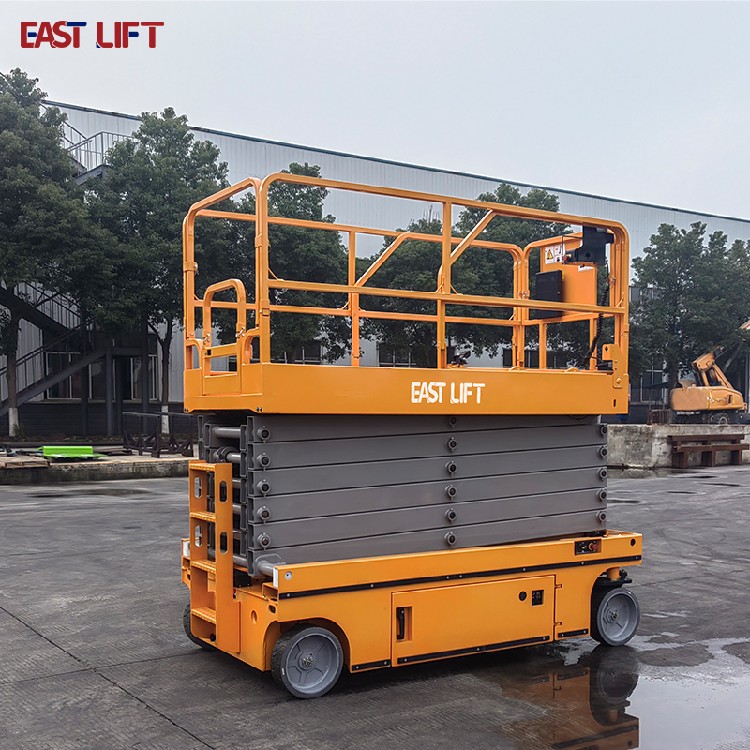
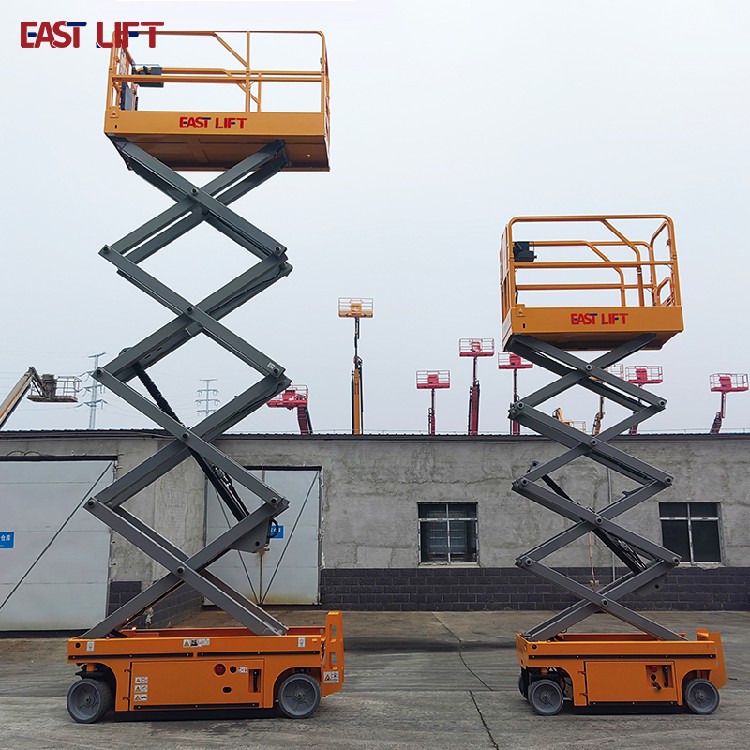
- Indoor Compact Electric Scissor Lifts (6–14m working height) Account for 70% of global sales volume. Low unit price and fast rental turnover, forming the largest market segment with stable growth.
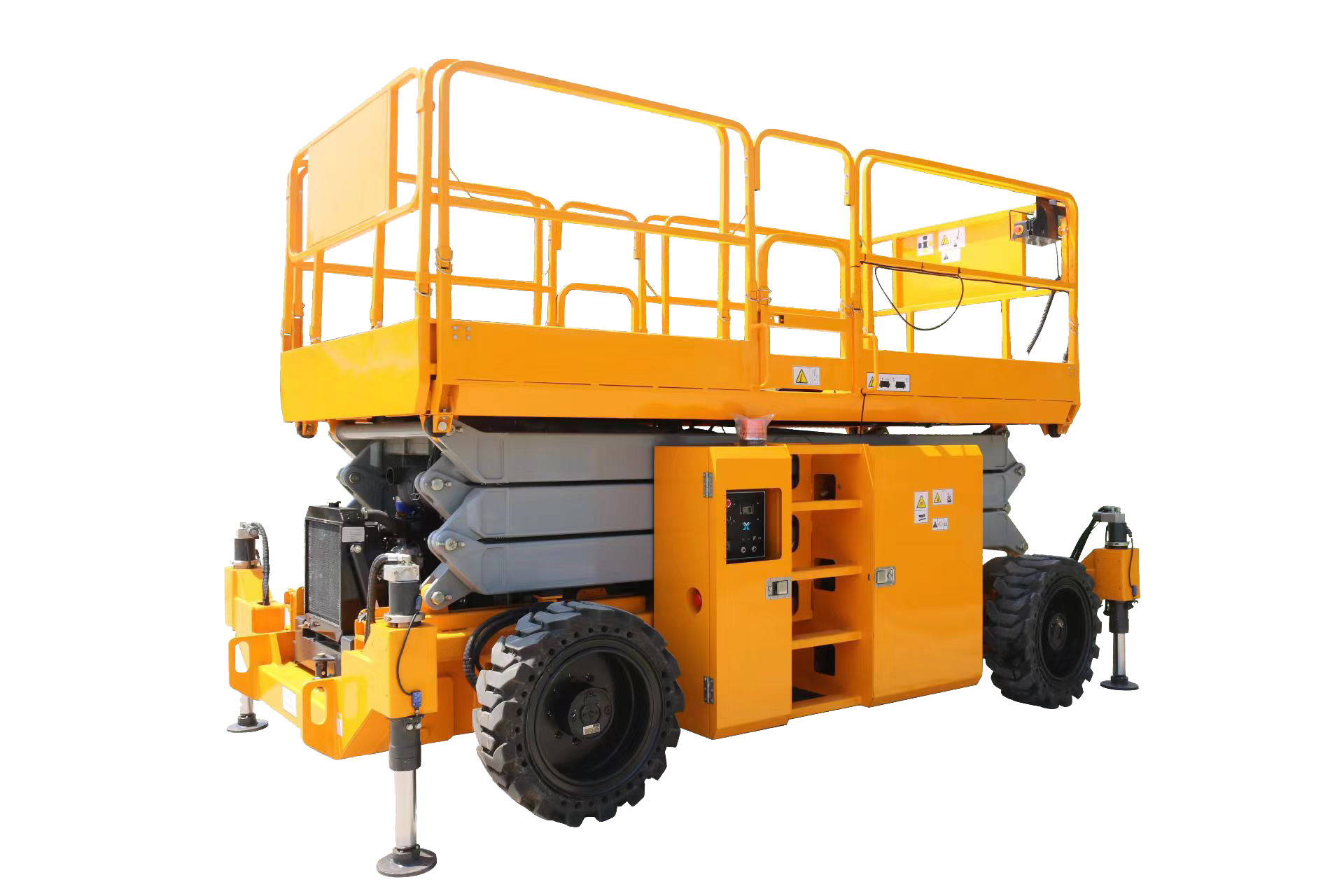
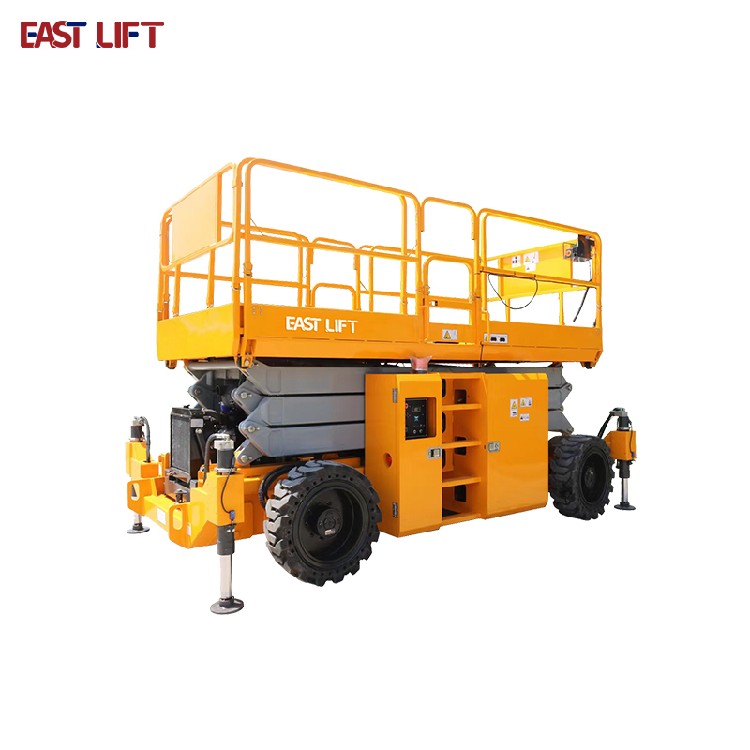
- Rough-Terrain Diesel Heavy-Duty Scissor Lifts (16–22m working height) Specially designed for infrastructure, mining and outdoor construction projects. Higher gross profit per unit, with robust demand in the Middle East and Australia.
- Stationary / Truck-Mounted Compact Scissor Lifts Used for factory assembly lines and warehouse lifting platforms. Separately tracked with a smaller market scale; incremental demand stems from intelligent manufacturing upgrades.
V. Key Figures Summary
- Global scissor lift market for 2026: Approx. USD 4.3 billion (CNY 30.0 billion), growing at 5.8% annually.
- China domestic scissor lift market for 2026: CNY 15.3 billion, with nearly 20% year-on-year growth.
- China’s annual scissor lift export value: Nearly USD 1.9 billion; China is the world’s largest producer and exporter.
- Scissor lifts account for nearly 70% of total aerial work platform sales, forming the fundamental backbone of the industry.
Contact Now