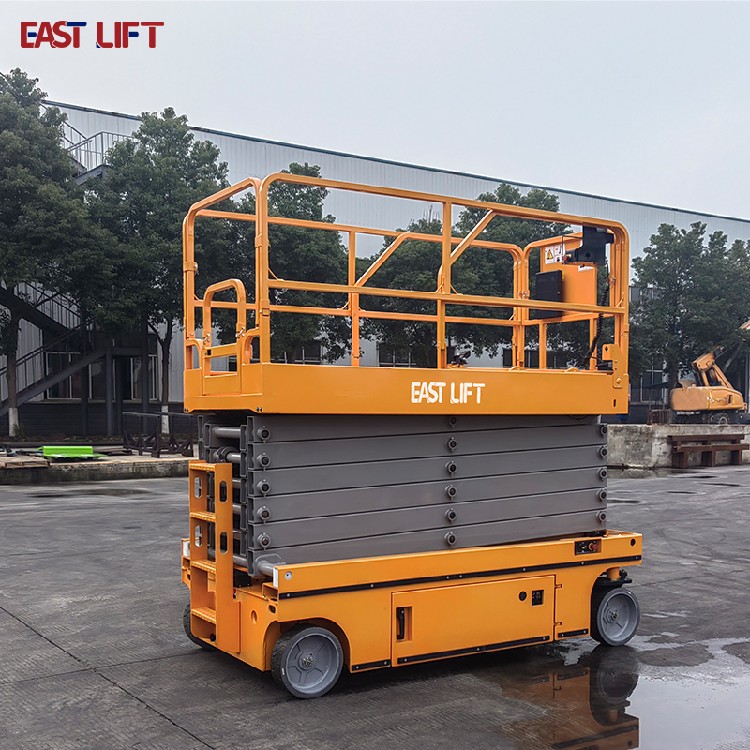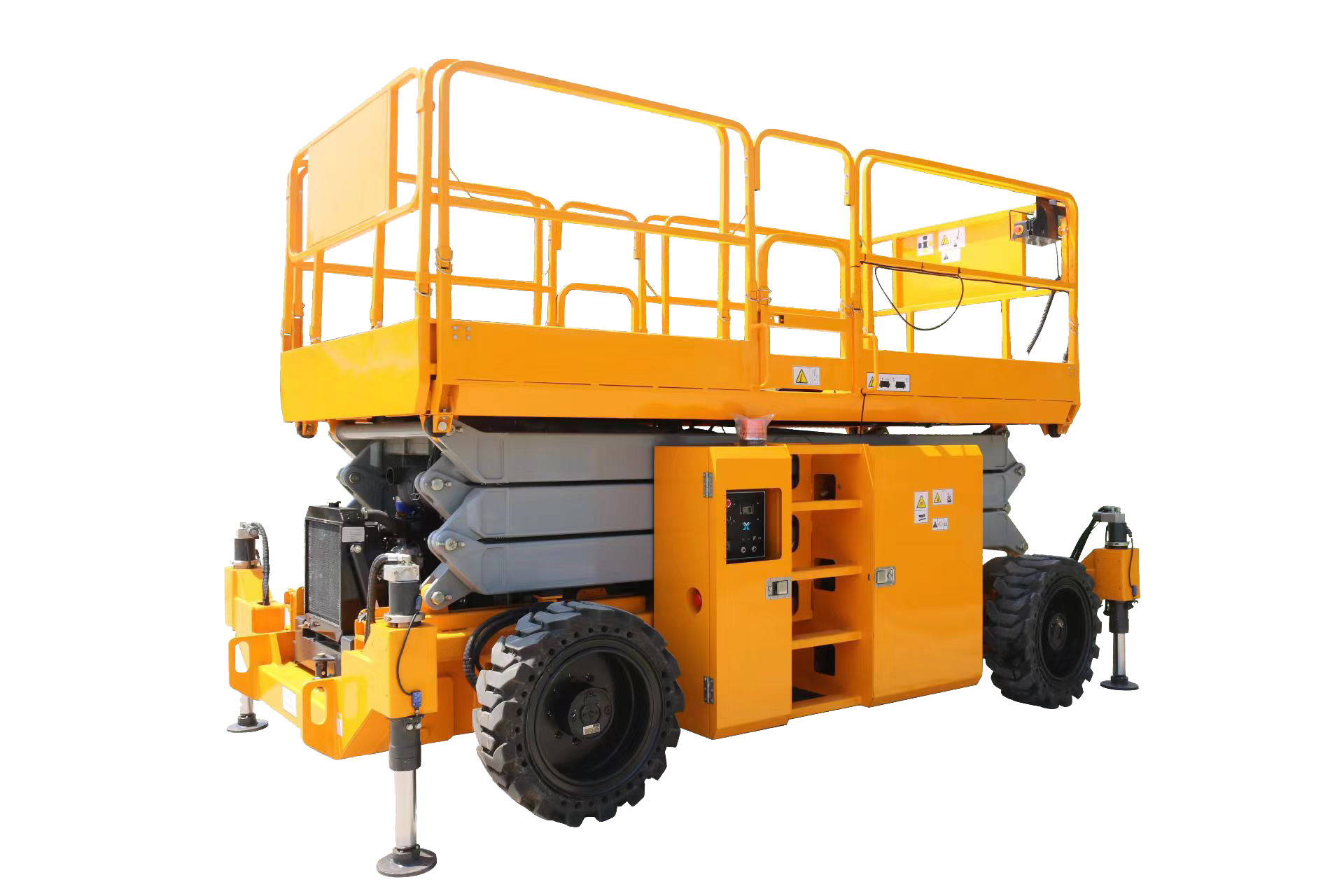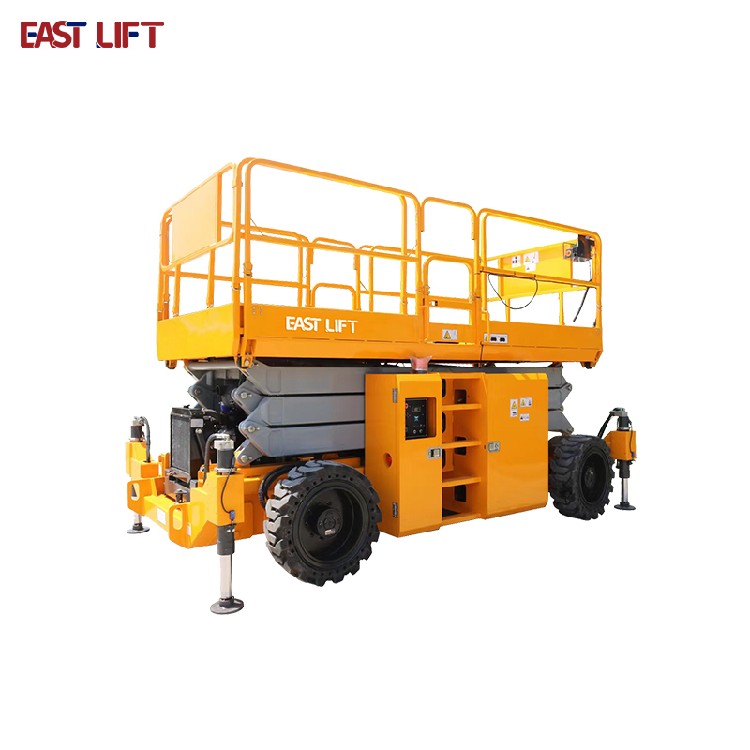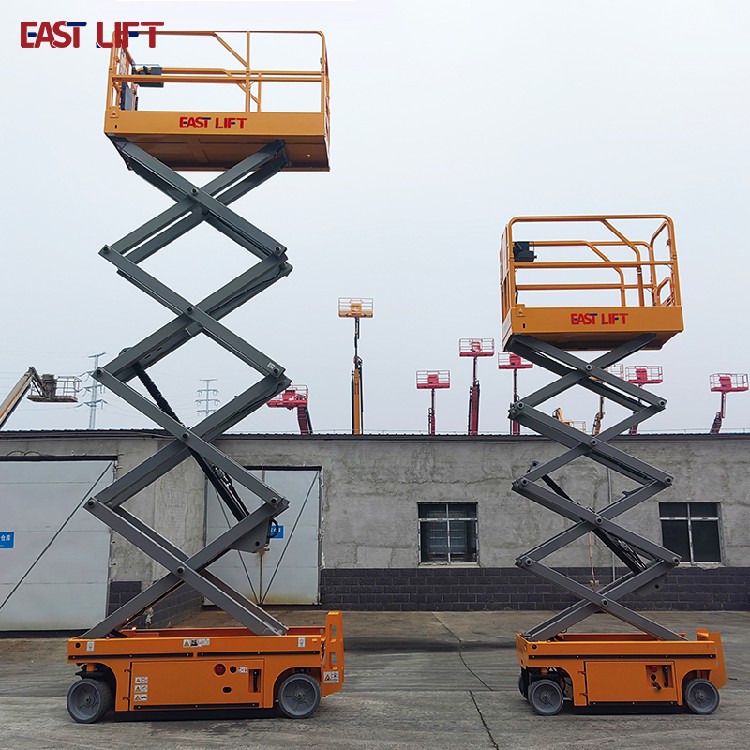


Maintenance and upkeep of electric scissor lift trucks
Product description
Maintenance and upkeep of diesel-powered telescopic boom lifts
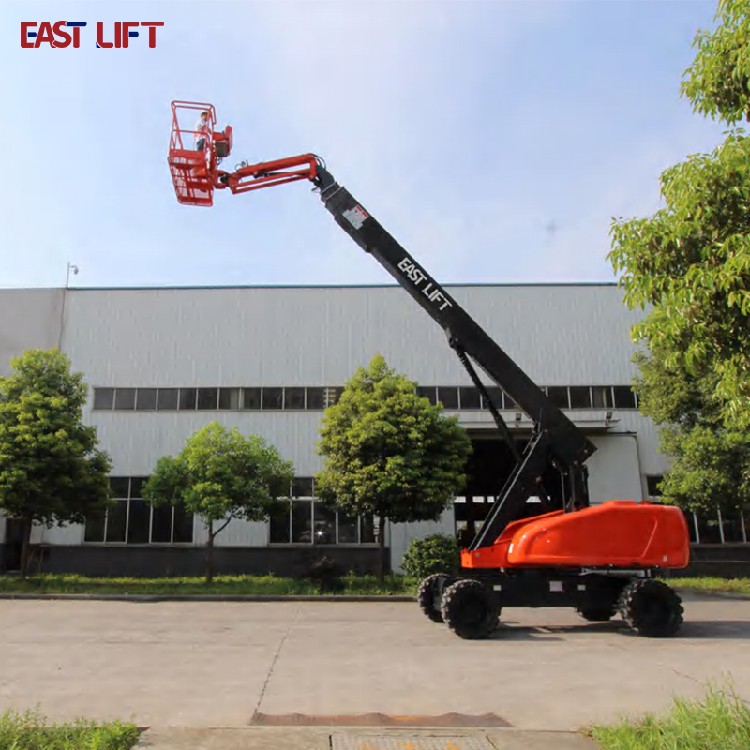
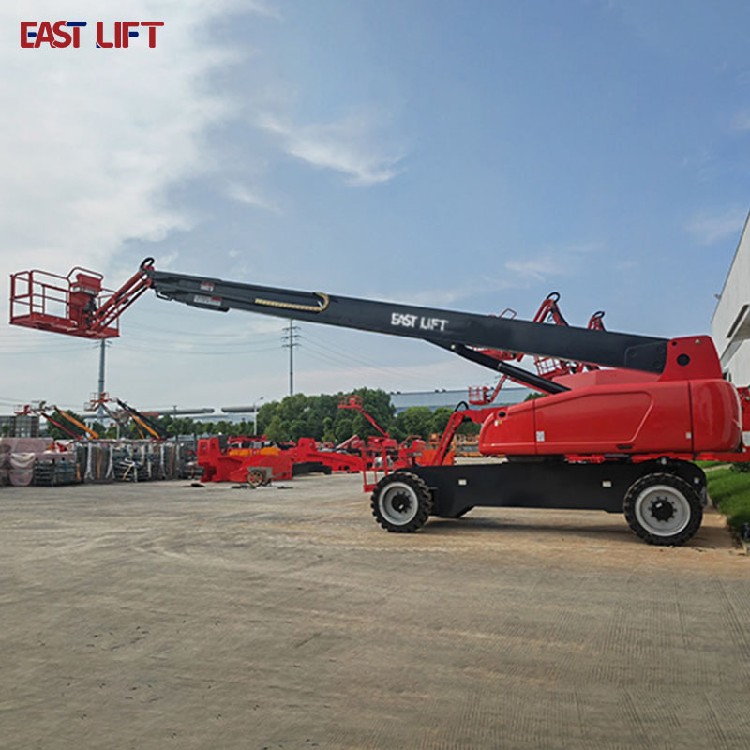
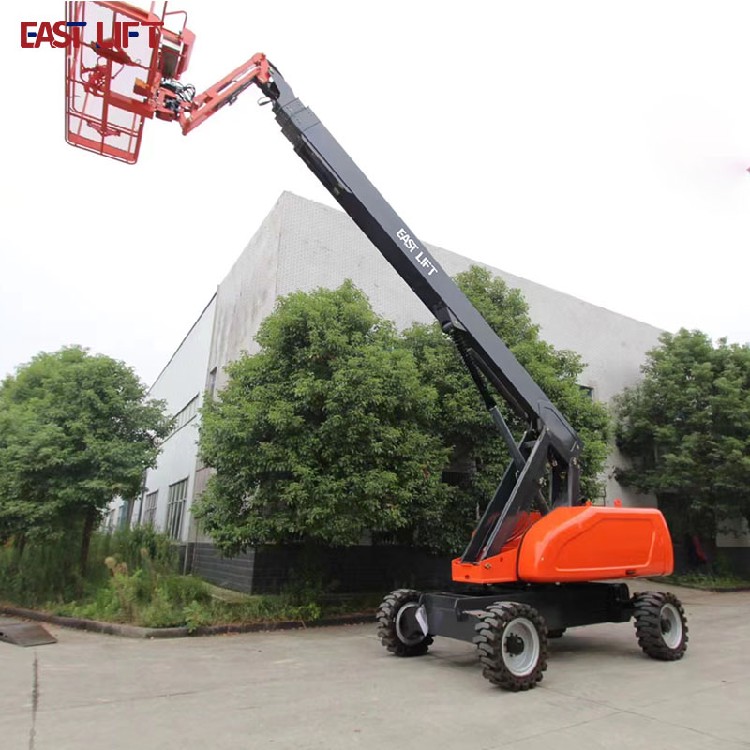
Diesel-powered telescopic boom lifts, with their powerful performance and long operating range, have become the main equipment in heavy-duty, high-altitude applications such as construction, oil field exploration, mining operations, and large-scale infrastructure projects. For diesel models, the core of maintenance and upkeep lies in the coordinated maintenance of the engine, fuel system, and hydraulic system. This directly determines the operational stability and lifespan of the equipment.
I. Daily Essential Checks: Diesel Engine Performance Checklist
Daily inspections of diesel-powered telescopic boom lifts should cover both general structural components and those specific to the diesel engine. Performing these inspections once before and once after each day's operation can significantly reduce the likelihood of unexpected malfunctions.
1. General inspection of appearance and structure
Carefully inspect the welding points of the boom, work platform, and turntable for cracks, deformation, or paint peeling; check if the platform guardrails and base plate are secure and free of loose or missing parts; confirm that all warning labels and operating nameplates are securely attached and legible, and replace any damaged ones promptly. Also, check the tire pressure of the scissor lift, the tightness of the fixing bolts, and for any oil leaks from the drive motor and gearbox to ensure safety during mobile operation.
2. Inspection of core components of the diesel engine
Engine Compartment Inspection: First, open the hood and check the engine oil level (the oil level should be between the upper and lower marks on the dipstick when the engine is cold). Observe whether the engine oil is blackened or emulsified; check the coolant level to ensure it is within the expansion tank's marked range and that there are no signs of leakage; clean the surface of the engine and the radiator of dust and debris to ensure proper heat dissipation.
Fuel System Inspection: Confirm that there is sufficient diesel fuel in the tank, check that the fuel tank cap is properly sealed, and check for leaks in the fuel lines and connections; check the fuel filter for water accumulation (diesel fuel is prone to containing water, which can cause difficulty starting the engine). If there is water accumulation, it needs to be drained immediately.
Hydraulic and Electrical Systems: The hydraulic oil level should be measured when the machine is completely retracted and cold, ensuring it is within the specified range on the oil gauge, and that the oil is free of impurities and discoloration; check that there are no leaks in the hydraulic lines and cylinder connections; for the electrical system, focus on checking the battery charge, the cleanliness of the electrodes, whether the wires are worn or aged, and whether the control buttons, indicator lights, and warning lights are working properly.
II. Regular Maintenance
Regular maintenance of diesel-powered telescopic boom lifts must be performed strictly according to the operating hours, with the core focus on the replacement cycles of key consumables such as engine oil, fuel filters, and hydraulic fluid, adjusting the frequency based on the working conditions.
1. Lubrication and tightening of components
Regularly lubricate moving parts such as the slewing bearing, boom hinge points, pins, and drive linkages. Use a torque wrench to check the bolts securing the slewing bearing and turntable to prevent loosening and resulting in jerky movements. Inspect visible parts of the wire ropes daily, and lubricate them promptly to prevent corrosion and wear.
2. Conduct a comprehensive inspection in stages
Minor repair: Comprehensive inspection of engine valve clearance and fuel injector condition, adjustment of brake clearance; replacement of worn and easily damaged parts to ensure flexible braking and stable power output.
Medium repair: In-depth inspection and timely replacement of engine cylinder block and piston rings; replacement of aging fuel lines and hydraulic lines; inspection of the slewing reducer and hoisting reducer, and cleaning of radiator scale to ensure cooling efficiency.
Major repair: Complete disassembly and comprehensive overhaul of the engine, replacement of aging wires, cables, and seals; rust removal and painting of the vehicle body and chassis to restore equipment performance.
III. Common Problems and Solutions
Faults in diesel engines are mostly concentrated in the engine and fuel systems; if a problem occurs, work must be stopped immediately.
1. The engine is difficult to start or lacks power
The reasons are diesel fuel waxing, clogged fuel filter, water accumulation in the fuel-water separator, and a discharged battery. The solutions include replacing the diesel fuel with a suitable type, cleaning or replacing the fuel filter, draining the water from the separator; charging or replacing the battery; and checking the condition of the fuel injectors, cleaning and calibrating them if necessary.
2. Hydraulic system malfunctions (lifting mechanism sticking/oil leaks)
Insufficient hydraulic fluid, clogged filter elements, and loose pipe fittings are common problems. The solutions include replenishing the hydraulic fluid, replacing clogged filter elements, tightening fittings or replacing seals. If the hydraulic pump makes unusual noises, contact a professional for inspection and repair.
3. Braking and support system malfunctions
Vehicle rolling is mainly due to excessive brake clearance or worn brake pads. The solution is to adjust the clearance or replace the brake pads. Creeping forward is mainly due to a faulty outrigger sensor or hydraulic leakage. The solution is to check and replace the sensor, and identify and repair any leaks in the hydraulic lines.
Conclusion
The core of maintaining a diesel-powered telescopic boom lift is to closely monitor the engine, properly maintain the fuel system, and ensure the stability of the hydraulic system. By performing routine inspections and scheduled maintenance, and adjusting strategies according to the operating conditions, you can effectively extend the equipment's lifespan and reduce maintenance costs. If complex problems arise, such as the need for a major engine overhaul, it is recommended to contact the equipment manufacturer or a professional repair team promptly to avoid further damage caused by improper operation.