Differences Between Spider Lifts and Scaffolding
Product description
In construction, venue maintenance, aerial installation and other scenarios, spider lifts and scaffolding are common auxiliary facilities for aerial work. However, they differ significantly in application scenarios, flexibility, safety and other aspects. Correct selection directly affects construction efficiency and costs. The following is a detailed analysis of their core differences.
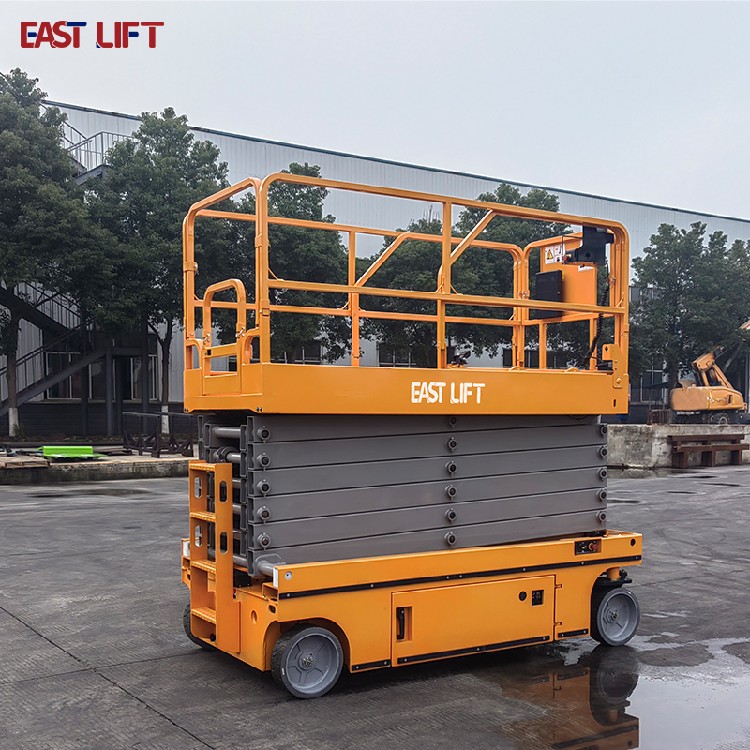
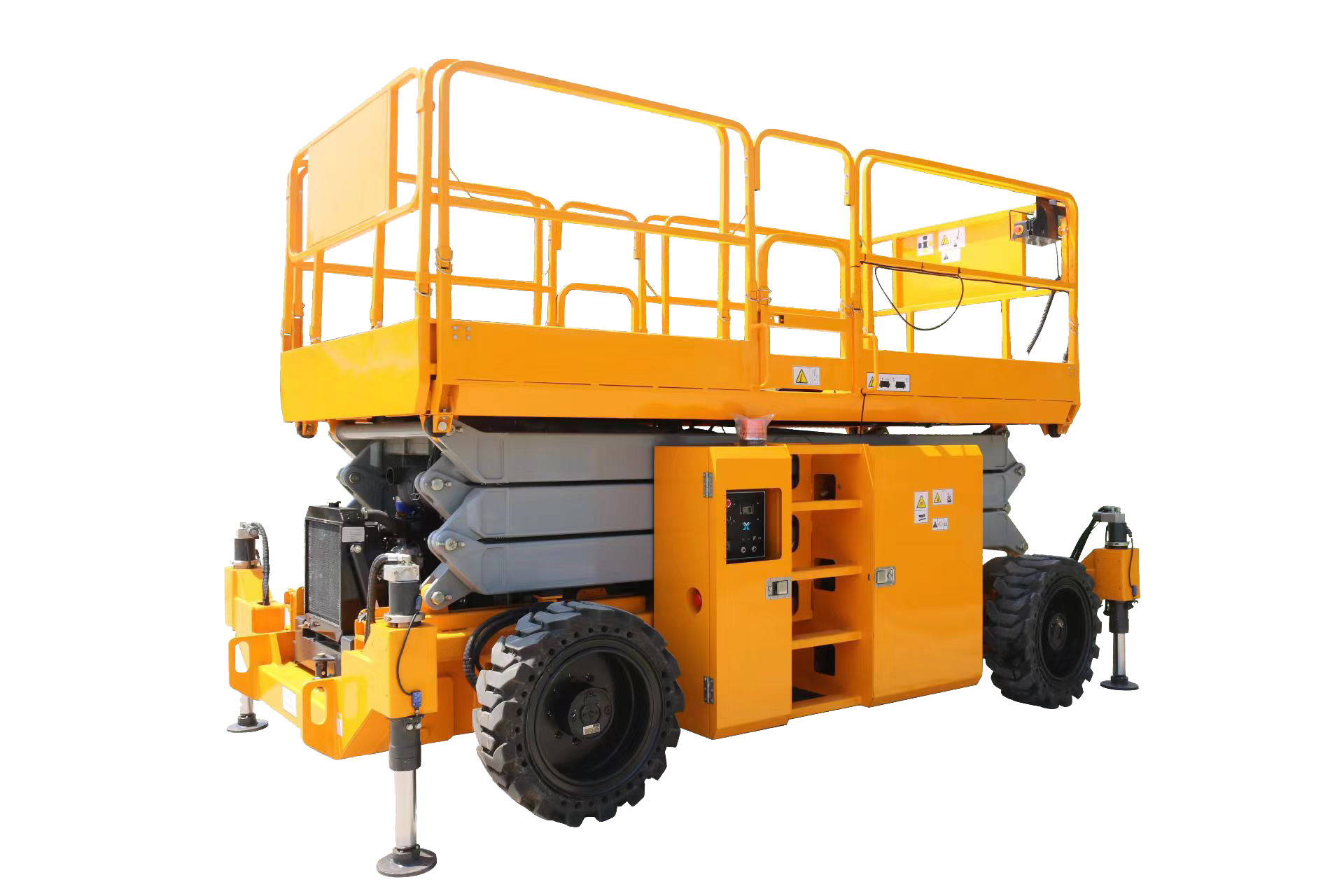
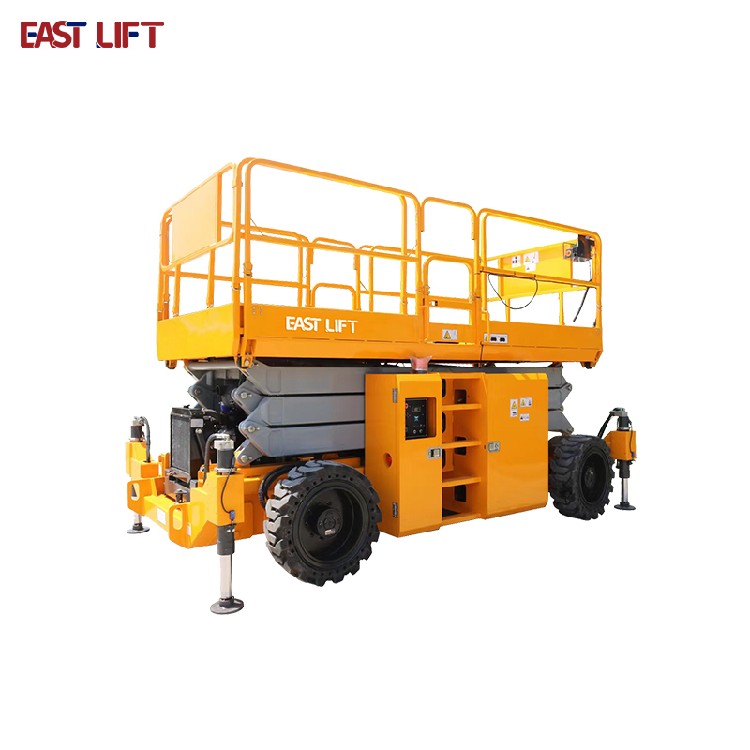
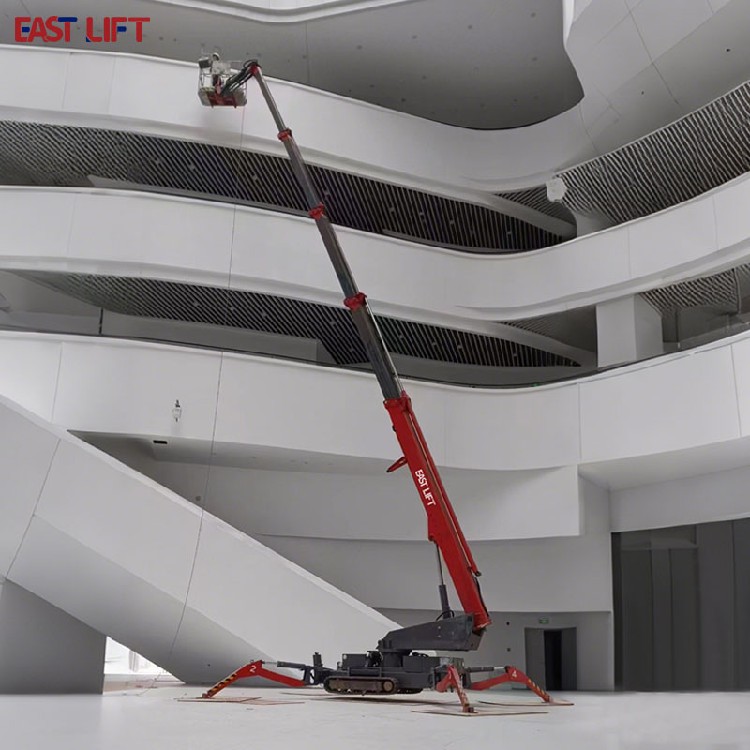
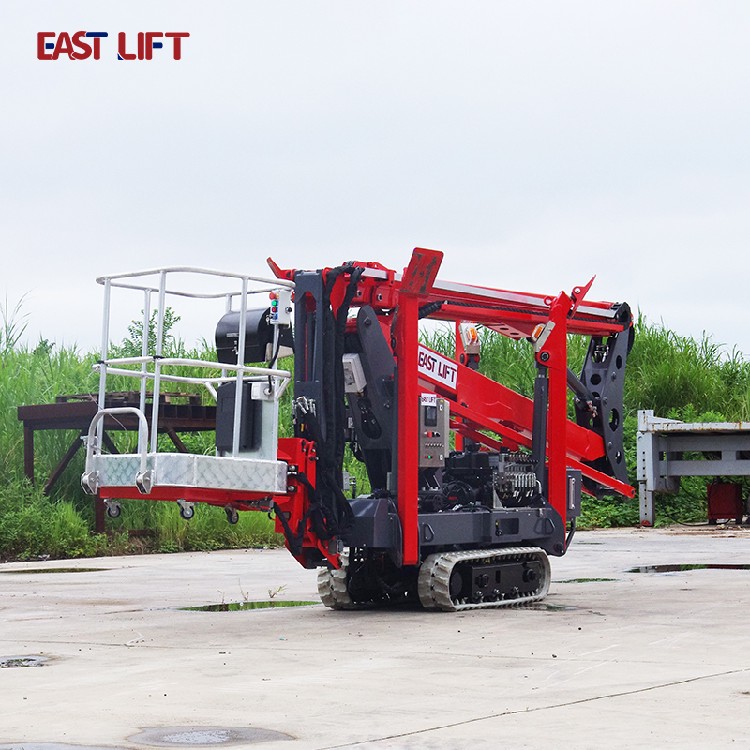
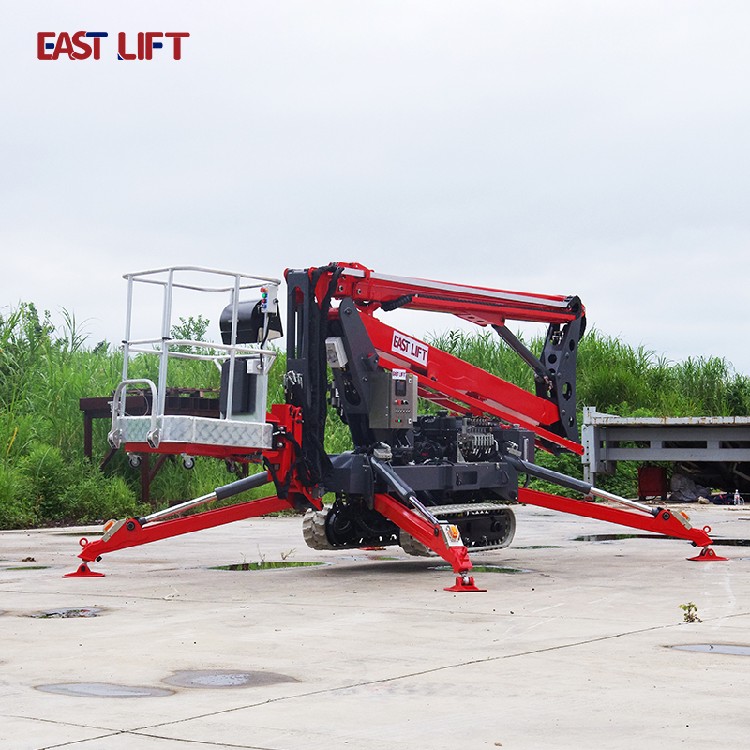
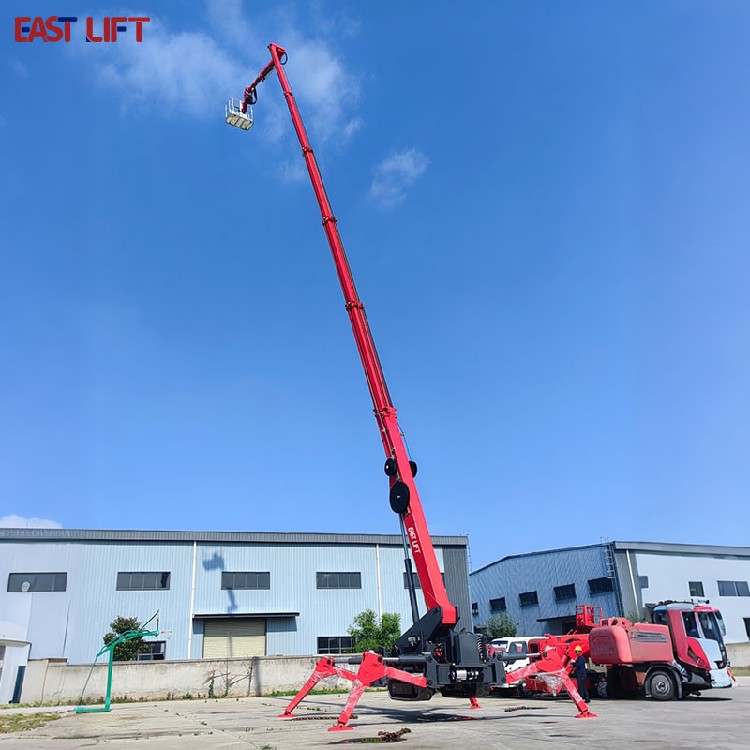
There are differences in application scenarios and terrain adaptability. Scaffolding is a fixed temporary structure that needs to be built on flat ground. It is more suitable for long-term, large-area conventional aerial work, such as exterior wall construction of multi-storey buildings and indoor decoration painting. In contrast, equipped with independently adjustable hydraulic outriggers and lightweight crawler chassis, spider lifts can adapt to narrow spaces, load-bearing restricted ground (such as shopping mall marble floors) and uneven terrain (steps, lawns). They are widely used in complex scenarios such as large-scale venue maintenance, ancient building restoration and subway station construction.
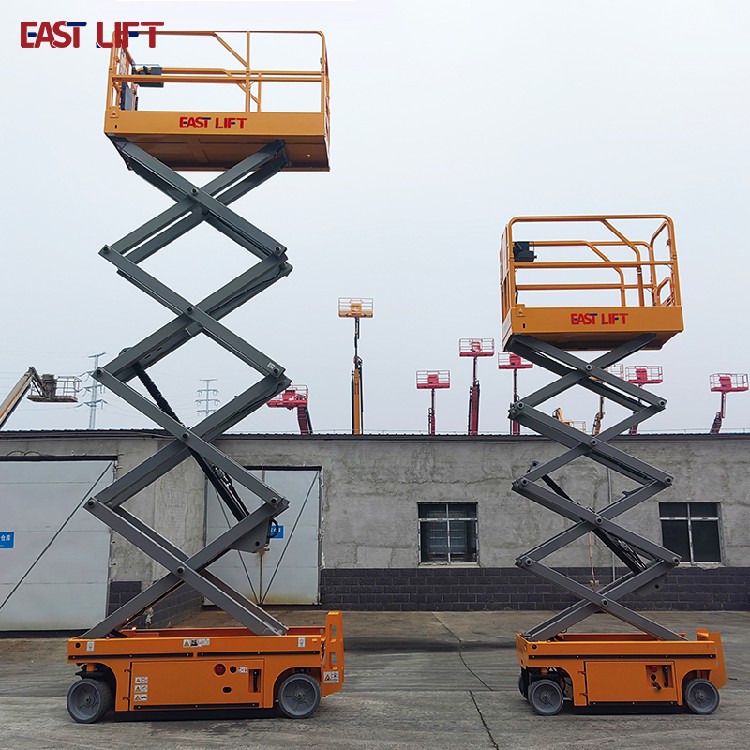
There is an obvious difference in flexibility and operation efficiency. The erection and dismantling of scaffolding are time-consuming and laborious; it needs to be completely disassembled and reassembled for movement, and it is difficult to adjust the height. Spider lifts can be quickly positioned. When the outriggers are retracted, the width is less than 1 meter, allowing passage through standard doorways and elevators. The working height and range can be flexibly adjusted, and transfer between different operation points requires no additional preparation, which greatly improves efficiency.
There are differences in safety and cost structure. The stability of scaffolding depends on the quality of manual erection, with risks of joint loosening and falling. For long-term projects, the cost of material leasing and labor is lower. Spider lifts are equipped with anti-tilt alarm, overload protection and other devices, with more controllable stability. For short-term projects, the leasing cost is lower than the labor cost of scaffolding, but the cost of long-term use is relatively high.
In summary, spider lifts are preferred for short-term operations in complex environments, while scaffolding is more cost-effective for long-term, large-area conventional operations. Selection should be comprehensively determined based on the operation cycle, site conditions and cost budget.