Stearyl alcohol
Product description
Stearyl alcohol/18-ol
Basic Introduction
Chinese name: Octadecyl alcohol
Chemical name: 1-Octadecanol
INCI Name: Stearyl Alcohol
CAS Registry Number: 112-92-5
EINECS login number: 204-017-6
Molecular formula : C18H38O
Molecular weight: 242.44
HS Code: 2905170000
Synonyms: Octadecanol, 1-hydroxyoctadecane, lipalcohol, 1-octadecaneol, n-octadecyl alcohol, n-octadecyl alcohol, 1-octadecyl alcohol, 1-octadecyl alcohol (GC standard, >99.5%), octadecyl alcohol, Octadecyl alcohol, Stearyl alcohol, 1-Octadecanol, Stearyl Alcohol, Stearyl Alcohol Pastilles.
Application areas
| Application areas | Application Notes |
| food additives | Stearyl alcohol is used as a sweetener and humectant, enhancing flavor and extending shelf life during food processing. Octadecyl alcohol can form glycerides with fatty acids, used in the production of chocolate, candy, desserts, and frozen foods. |
| Textile industry | Octadecyl alcohol can also be used as a dye solvent and coating additive in the textile industry to improve the quality of dyeing and coating. |
| Pharmaceutical manufacturing | Stearyl alcohol has been used in controlled-release tablets , suppositories, and has also been studied as a transdermal permeation enhancer.Octadecyl alcohol is also used as a solvent and carrier in the preparation of some injectable and oral drugs. Its good solubility and low toxicity make it an ideal pharmaceutical excipient. |
| Daily chemical industry | Stearyl alcohol is commonly used in cosmetics . By increasing the viscosity of emulsions, it enhances their stability. Stearyl alcohol also possesses certain emollient and mild emulsifying properties, making it useful for improving the water-retention capacity of ointments, such as Vaseline .Octadecyl alcohol can effectively moisturize and absorb moisture from the skin, prevent dryness and cracking, and help keep the skin soft and smooth. |
Packaging
Kraft paper bags
Stability and storage conditions
Stearyl alcohol should be stored in a cool, well-ventilated warehouse. Keep away from fire and heat sources. Protect from direct sunlight. Keep containers sealed. It should be stored separately from oxidizers, acids, acid anhydrides, and acyl chlorides; mixed storage is strictly prohibited. Appropriate types and quantities of fire-fighting equipment should be available. The storage area should be equipped with spill response equipment and suitable containment materials.
Product Compliance
| Indicator range | GB/T16451 | CP | BP, EP | USP | ||
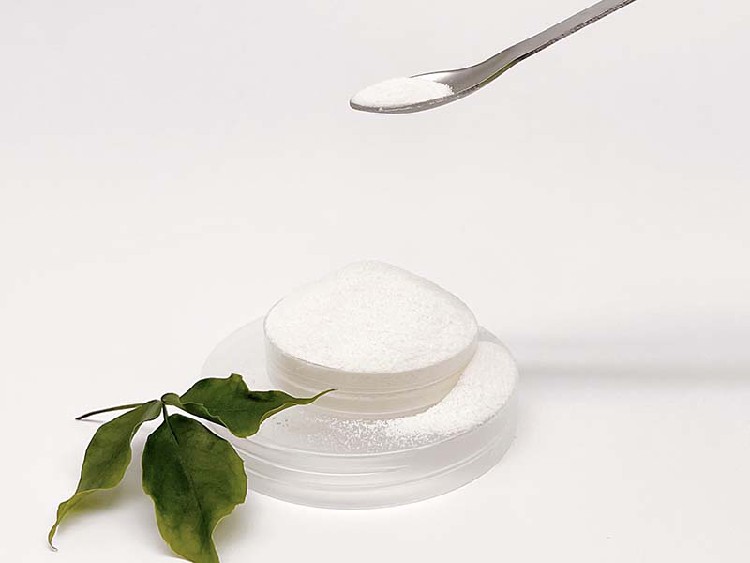
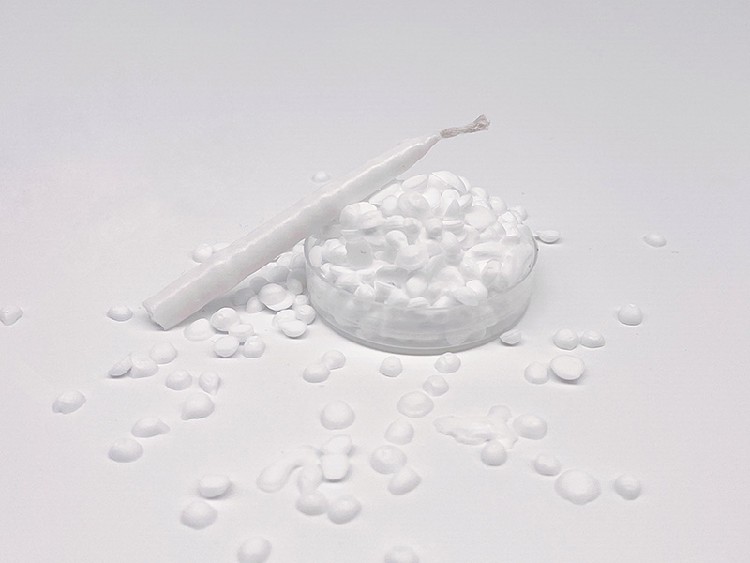
| Appearance | White solid | White solid | White solid | White solid | White solid | White solid |
| C18 | ≥ 98 | ≥ 97 | ≥ 96 | ≥95 | ≥95 | ≥90 |
| Melting point, °C | 57-60 | 56-60 | 55-61 | 57-60 | 57-60 | 55-60 |
| Color, Hazen | ≤10 | ≤15 | ≤30 | / | / | / |
| Acid value (calculated as KOH) mg/g | ≤0.1 | ≤0.2 | ≤0.3 | ≤1.0 | ≤1.0 | ≤2.0 |
| Saponification value (calculated as KOH) mg/g | ≤0.5 | ≤0.8 | ≤1.0 | ≤1.0 | ≤2.0 | / |
| Hydroxyl value (calculated as KOH) mg/g | 203-210 | 200-215 | 200-220 | 197-217 | 197-217 | 195-220 |
| Iodine value (as I₂ ) g/100g | ≤0.5 | ≤1.0 | ≤1.5 | ≤2.0 | ≤2.0 | ≤2.0 |
| Alkane content, % | ≤0.5 | ≤1.0 | ≤1.5 | / | / | / |
| Carbonyl value, mg/Kg | ≤100 | ≤150 | ≤200 | / | / | / |
| Burning residue, % | / | / | / | ≤0.05 | / | / |
| Heavy metals, ppm | / | / | / | ≤0.1 | / | / |
| Mercury, mg/kg | ≤1 | ≤1 | ≤1 | / | / | / |
| Lead, mg/kg | ≤10 | ≤10 | ≤10 | / | / | / |
| Arsenic, mg/kg | ≤2 | ≤2 | ≤2 | / | / | / |
Recommended products