Application of Aerial Work Platforms in Urban Areas
Product description
Application of Aerial Work Platforms in Urban Areas
In recent years, urban renewal has been accelerated nationwide. Projects such as old community renovation, municipal facility upgrading, commercial building refurbishment, curtain wall maintenance and venue repair have been increasing continuously, leading to a sharp rise in demand for aerial work. Traditional scaffolding, with its complicated erection, large space occupation, long construction period and many potential safety hazards, has been difficult to adapt to the refined, efficient and low-interference construction requirements in urban core areas. Relying on the advantages of flexibility, high efficiency, safety, stability and environmental friendliness, aerial work platforms have quickly become mainstream equipment in urban renewal projects and play an irreplaceable role in various aerial scenarios.
Most urban renewal projects are located around residential areas, commercial districts and main roads, which have extremely high requirements for construction disturbance, traffic impact and environmental control. Traditional scaffolding is not only time- and labor-consuming to erect and dismantle, but also occupies public space for a long time, affecting residents' travel and surrounding businesses, and easily produces construction waste and potential safety hazards. Aerial work platforms require no complicated erection, can enter the site quickly, operate immediately and transfer flexibly, greatly shortening the construction period and reducing interference to the surrounding environment. They are especially suitable for partial maintenance, multi-point operation, sectional construction and other scenarios, effectively improving the overall promotion efficiency of urban renewal projects.
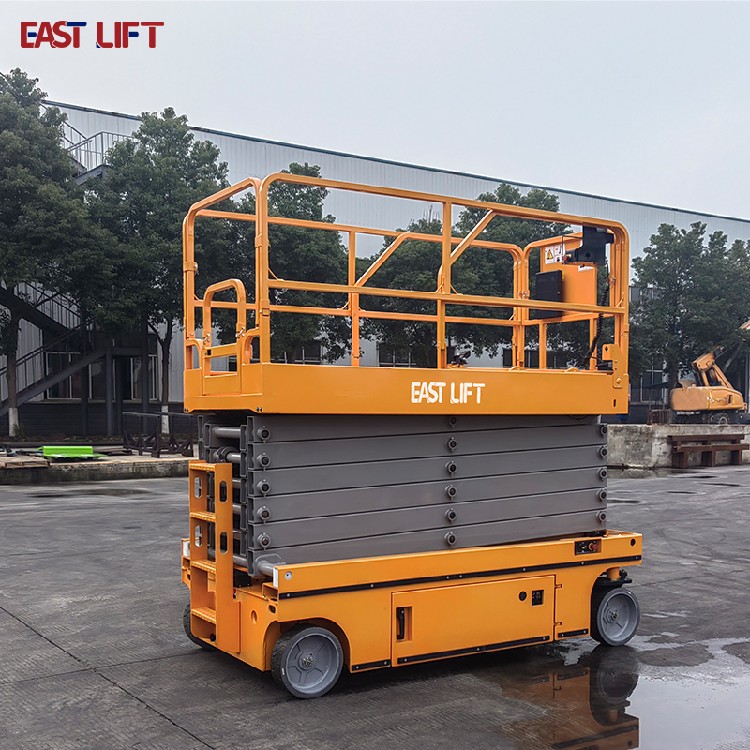
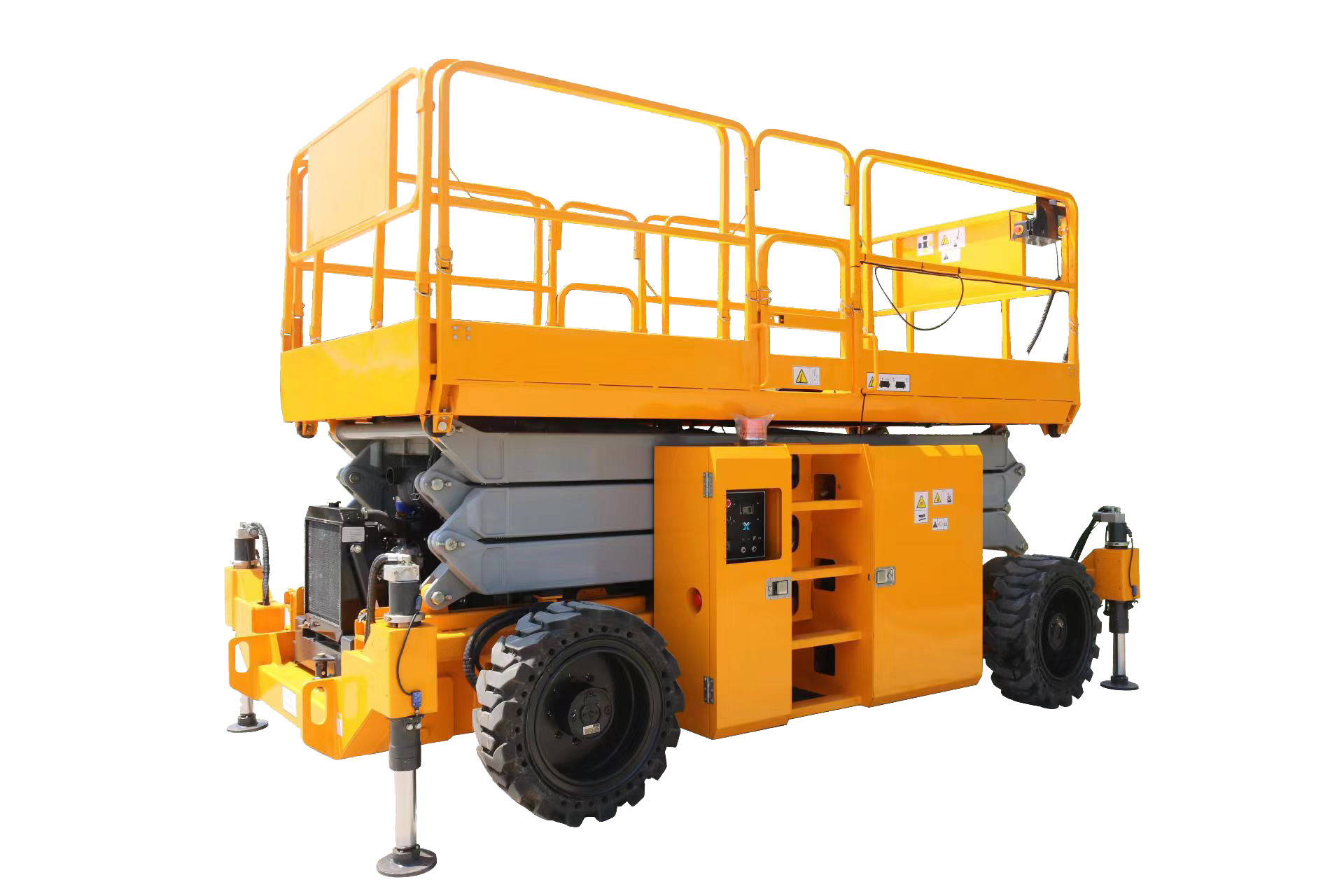
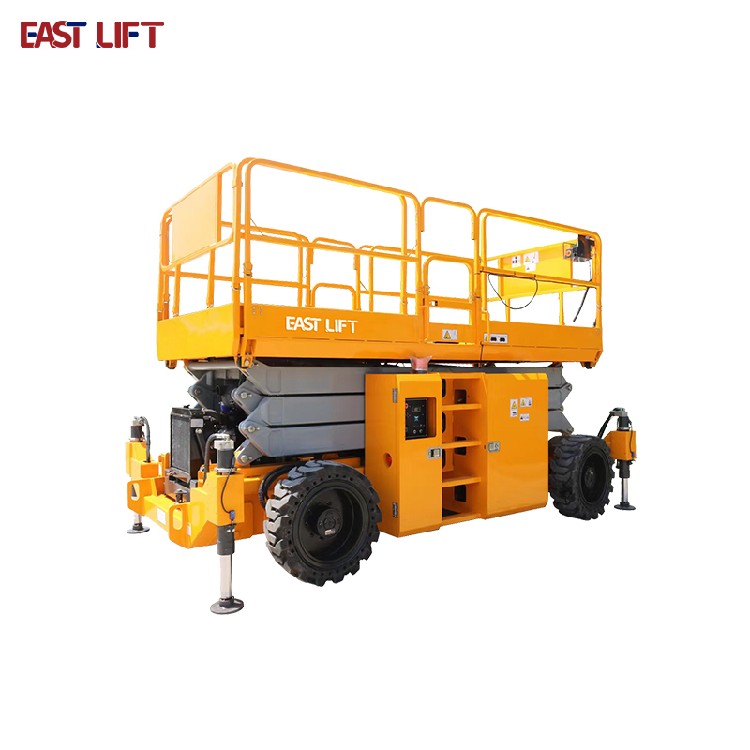
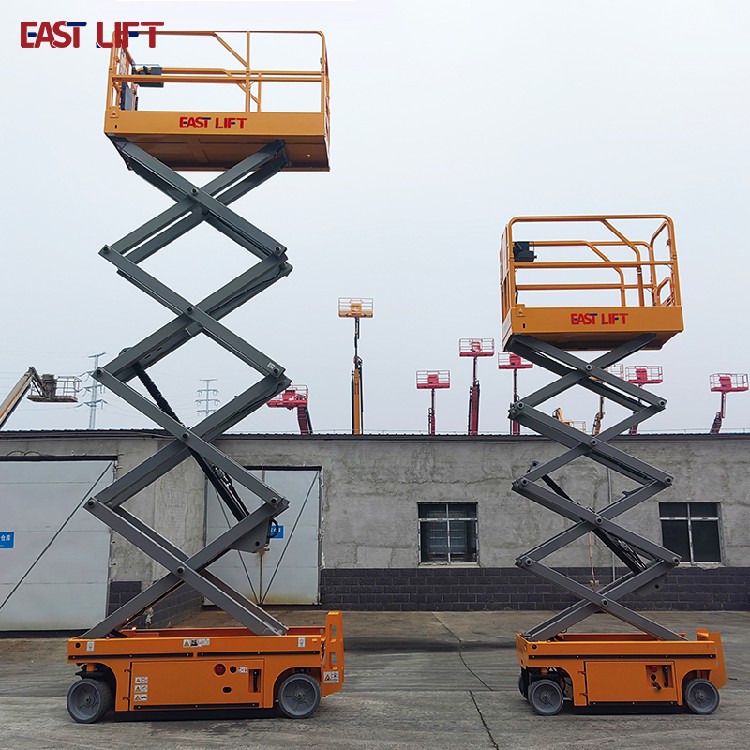
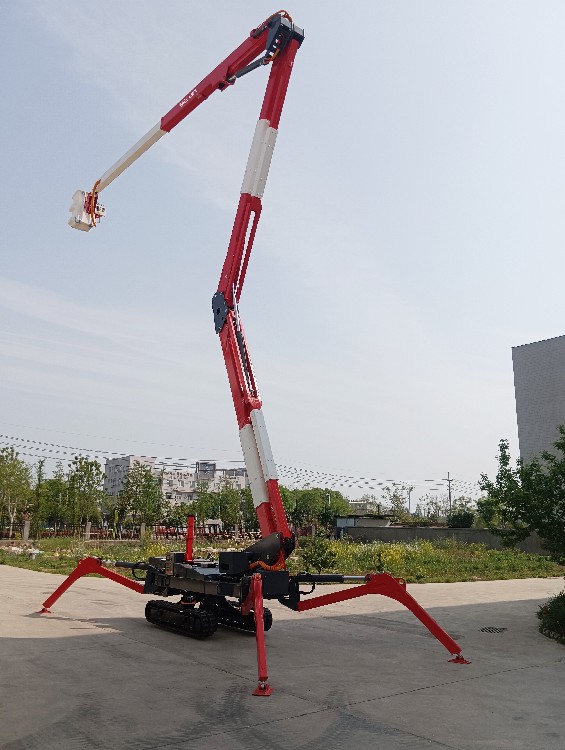
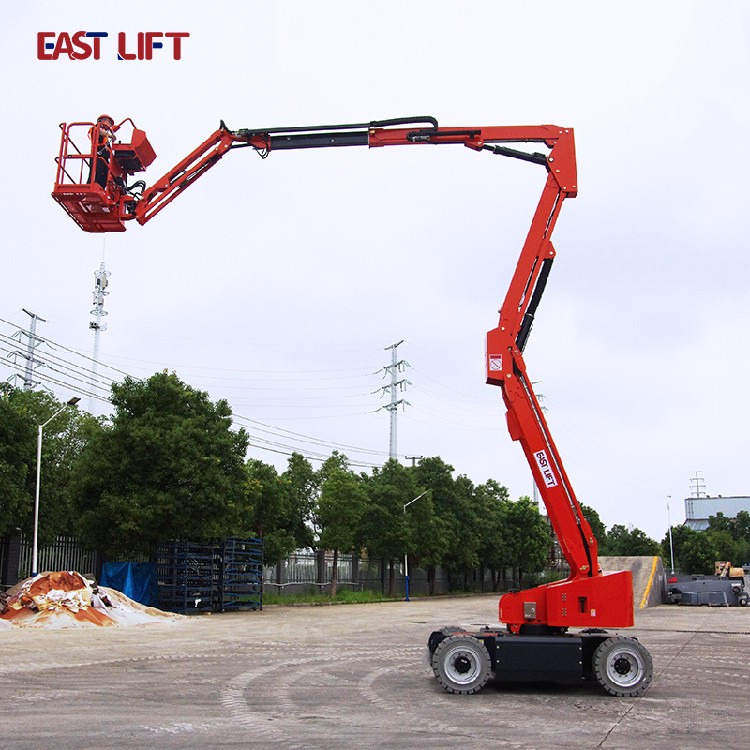
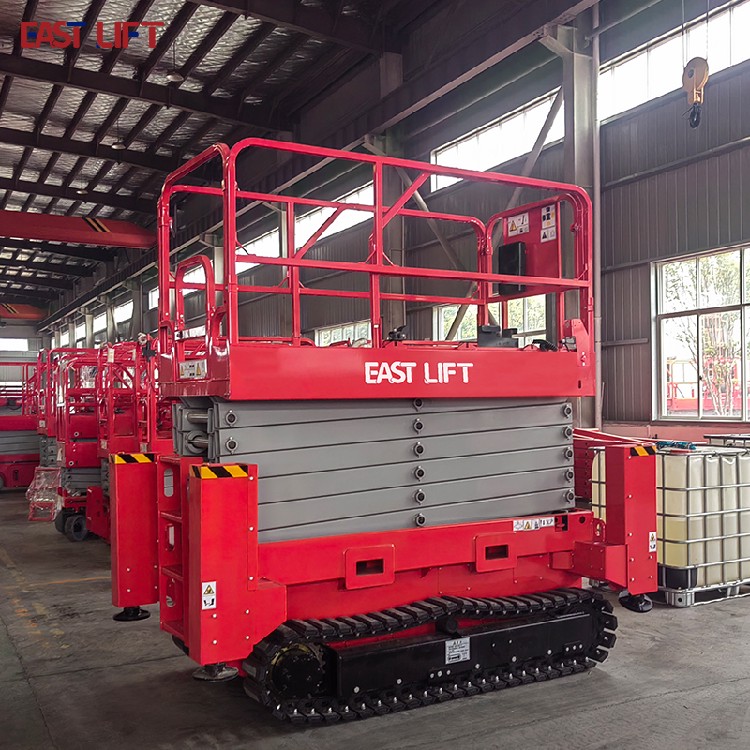
In the renovation of old communities, the advantages of aerial work platforms are particularly prominent. Old communities generally face problems such as narrow roads, dense greening, complex pipelines and small building spacing, making it difficult for large construction equipment to enter, while traditional scaffolding is difficult and risky to erect. Small and medium-sized scissor and boom aerial work platforms are small in size and flexible in steering, allowing easy movement within communities, meeting the needs of exterior wall painting, pipeline replacement, rainwater pipe maintenance, air conditioner position renovation, roof repair and other operations. The equipment features high stability and simple operation, which can significantly reduce safety risks such as falling from height and object strikes, while reducing damage to the community ground and greening, better conforming to refined construction standards.
The renewal and maintenance of commercial complexes, office buildings, shopping malls, hospitals and other places have stricter requirements for noise, exhaust emissions and construction precision. Electric aerial work platforms achieve zero emissions, low noise and stable operation without affecting normal indoor operation and office order, making them ideal for precise operations such as indoor ceiling maintenance, lamp replacement, pipeline installation, sign installation and curtain wall maintenance. Equipped with proportional control and micro-motion adjustment functions, the equipment ensures smooth and impact-free lifting and steering, enabling millimeter-level precise positioning to avoid collision damage to glass curtain walls, decorative finishes and precision facilities. While ensuring construction efficiency, it maximizes the protection of the original building structure.
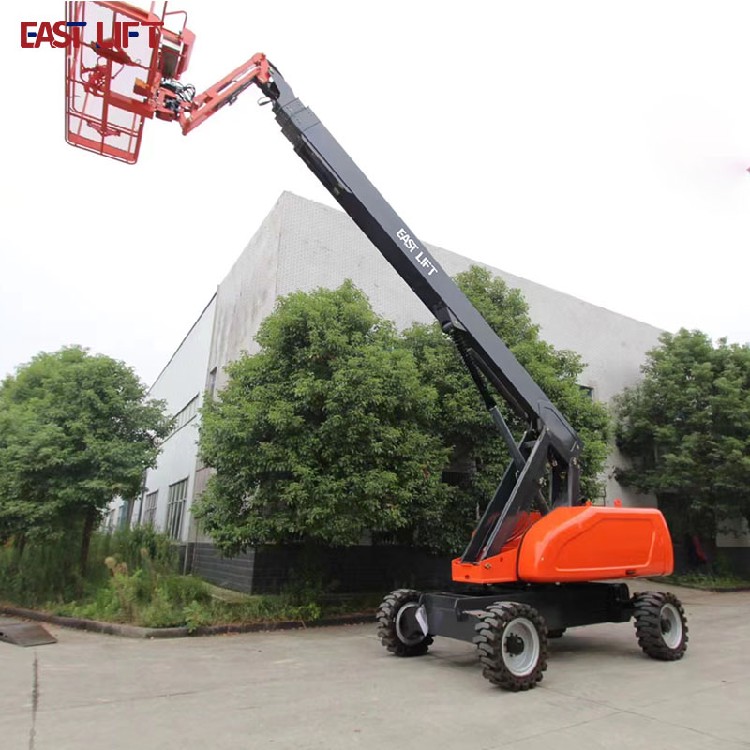
Aerial work platforms are also widely used in the field of municipal public facility renewal. Projects such as street lamp maintenance, traffic signal maintenance, monitoring equipment installation, bridge reinforcement and coating, green belt pruning and tunnel maintenance are generally characterized by scattered points, strong mobility and flexible working hours. The use of aerial work platforms eliminates the need for long-term road closures, allowing rapid completion of single-point operations and quick transfer. They can adapt to sidewalks, auxiliary roads, slopes and slightly uneven roads, remaining stable and reliable under complex urban working conditions, greatly improving the intelligent and efficient level of municipal operation and maintenance.
With stricter safety supervision and higher requirements for civilized construction, the safety configuration of aerial work platforms continues to be upgraded. Most equipment is equipped with outrigger detection, load sensing, inclination alarm, emergency stop, anti-fall protection and other functions, and some even feature intelligent functions such as automatic leveling, electronic fences and fault self-inspection, reducing the risks of illegal operation and safety accidents from the source. In the safety inspection and project acceptance of urban renewal projects, compliant and intelligent aerial work platforms can more easily meet regulatory requirements, reducing the risk of shutdown and rectification and ensuring the smooth progress of projects.
From the perspective of cost and benefit, the comprehensive value of aerial work platforms in urban renewal is more obvious. Compared with scaffolding, which consumes a lot of labor and materials, aerial work platforms require fewer operators, shorter preparation time and higher operation efficiency, which can significantly shorten the construction period and reduce labor costs. The equipment can be leased or purchased with flexible modes, suitable for short-term projects and phased operations, effectively reducing the financial pressure on enterprises. At the same time, the equipment features low failure rate and simple maintenance, which can further reduce the overall construction cost and improve the project profit margin in long-term use.
In the future, with the in-depth and extensive progress of urban renewal, the market demand for aerial work platforms will continue to grow. Miniaturized, lightweight, electric and intelligent models will become the mainstream, better adapting to the trend of urban micro-renewal, micro-reconstruction and refined operation. Aerial work platforms will also continue to iterate and upgrade, with continuous optimization in safety, flexibility and environmental protection, providing more efficient, safer and more economical equipment support for urban renewal and becoming an important force promoting the high-quality development of urban construction.