Application of Aerial Work Platforms in Green Construction
Product description
Application of Aerial Work Platforms in Green Construction
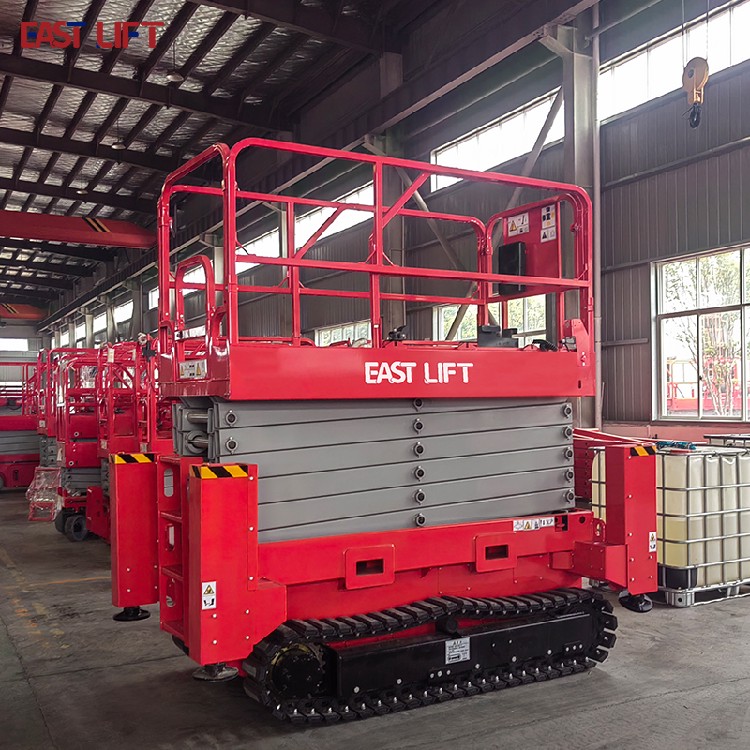
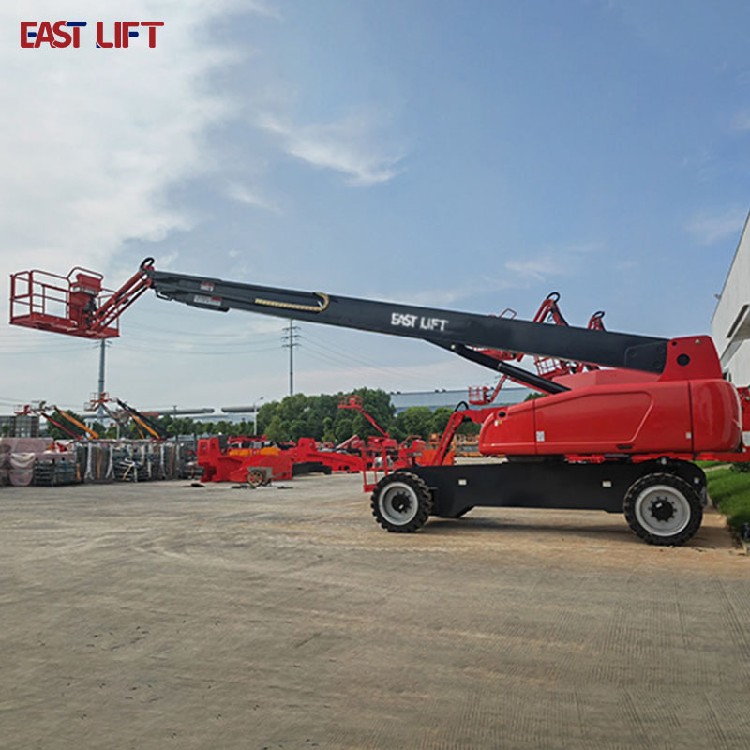
At present, green construction and civilized construction have become mandatory standards in the engineering industry. With the continuous upgrading of urban environmental supervision, traditional high-altitude operation modes with high pollution and high noise are gradually phased out. Relying on the comprehensive advantages of environmental protection, energy saving, safety and high efficiency, aerial work platforms are widely used in building construction, factory operation and maintenance, municipal renovation, urban maintenance and other scenarios, becoming core equipment for modern green projects.
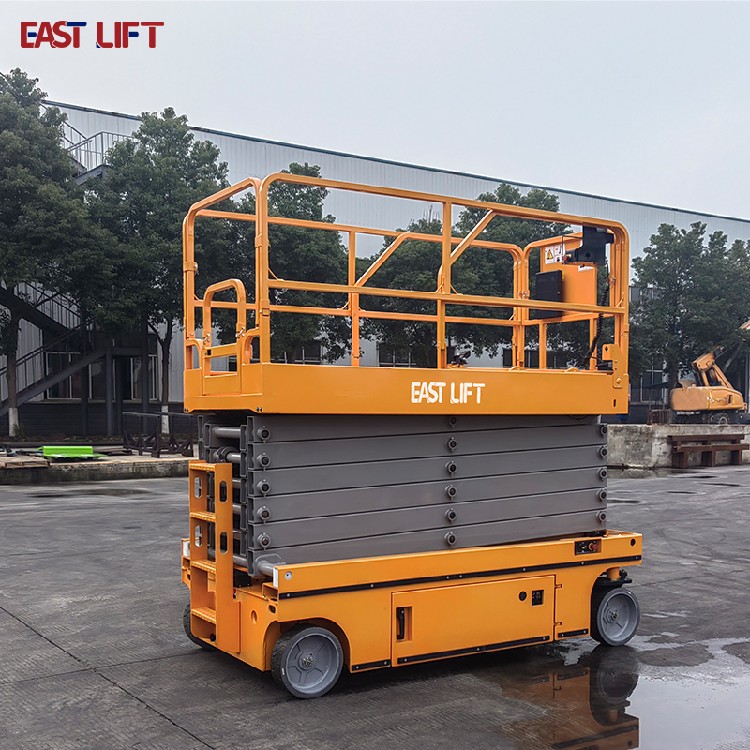
As the mainstream choice, electric models are powered by lithium batteries, with zero exhaust emissions during operation and no burden on the urban air environment. The equipment features low operating noise and low vibration, effectively avoiding construction noise disturbance. It is suitable for operation areas with strict restrictions such as residential areas, commercial districts, hospitals and indoor workshops, and fully meets the requirements of civilized construction and environmental inspections.
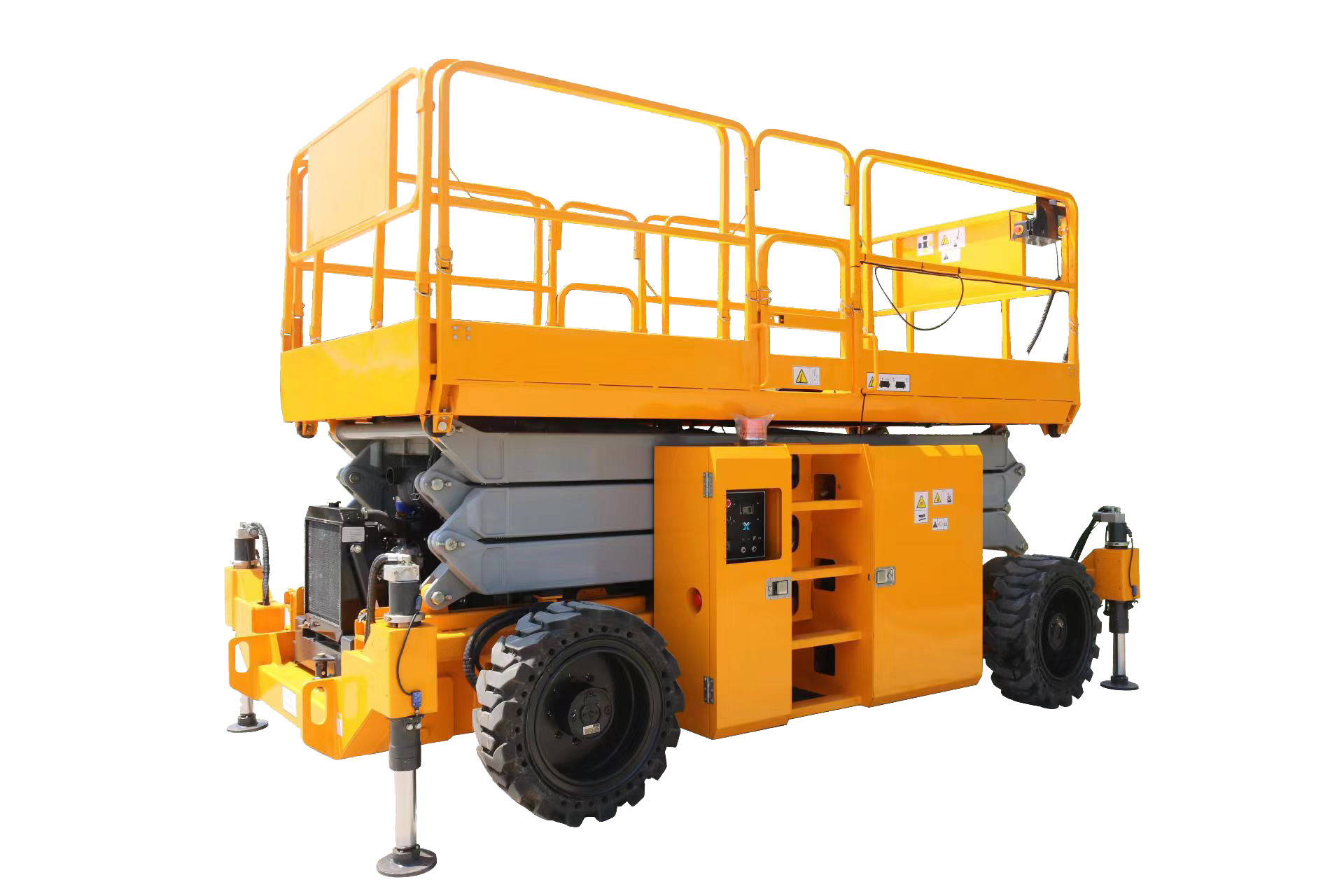
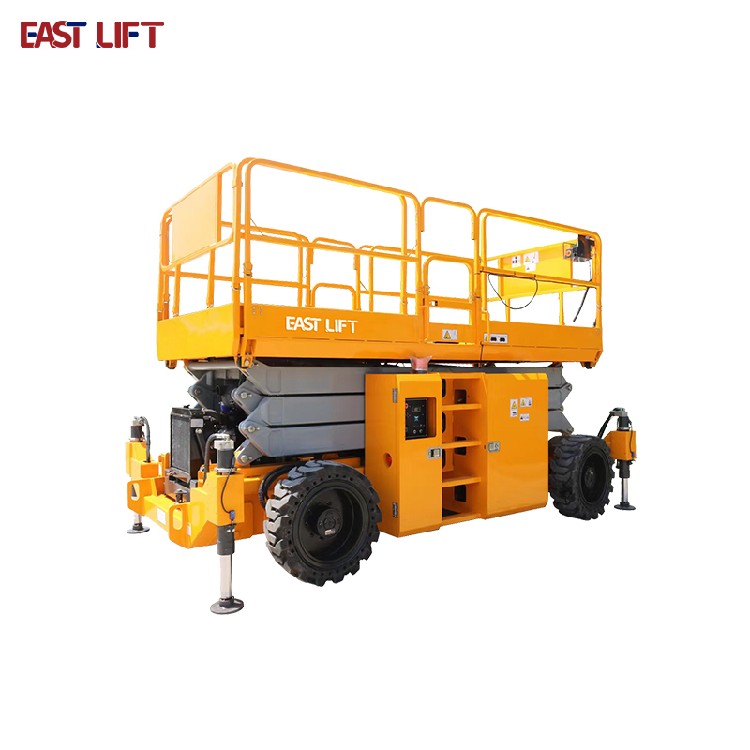
In actual construction, aerial work platforms can be deployed quickly without scaffold erection, eliminating complicated installation and dismantling processes, effectively shortening the construction period and labor costs. With a stable overall structure and multiple safety configurations such as overload protection, tilt monitoring and emergency braking, the equipment avoids high-altitude operation risks in all aspects, complies with safety production regulations, and greatly reduces on-site safety management pressure.
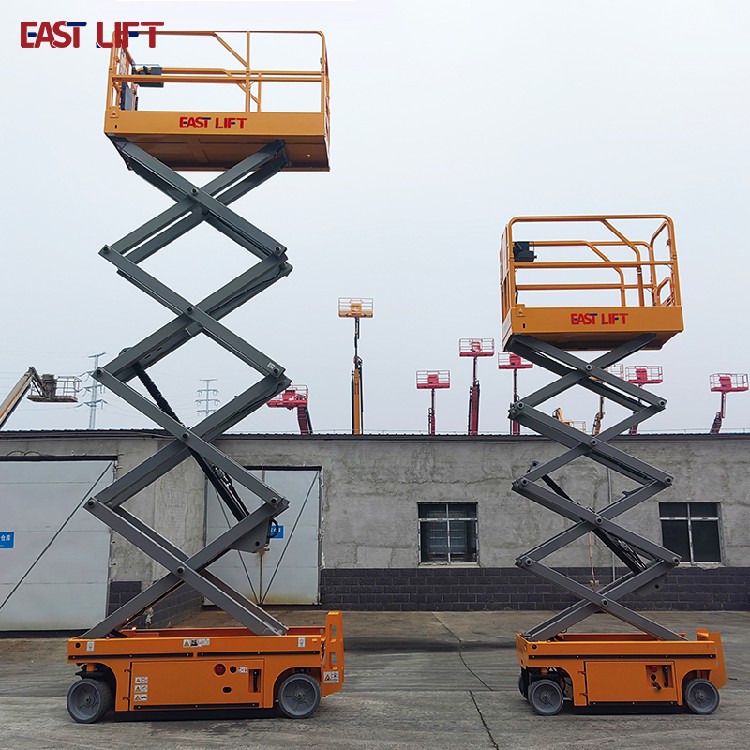
Compact and flexible, the equipment has strong trafficability and can move freely in narrow spaces, indoor passages and complex urban roads. The precise control system ensures stable and controllable lifting and telescopic movements, suitable for refined operations such as curtain wall maintenance, exterior wall renovation, facility installation and equipment inspection. It reduces collision damage to building facades and supporting facilities, and improves construction quality.
Compared with traditional climbing methods, aerial work platforms require simple later maintenance and have low failure rates, which can effectively control operating costs in long-term use. Flexible leasing and purchasing modes also meet the needs of enterprises of different scales and short-term projects, with obvious cost-performance advantages.
Low-carbon environmental protection is the long-term development trend of the infrastructure industry, and the penetration rate of green construction equipment continues to rise. Combining environmental protection, safety and practicality, aerial work platforms help enterprises achieve compliant construction, cost reduction and efficiency improvement. Driven by policies and market demand, they will continue to gain popularity and promote the steady development of urban construction in a low-carbon, safe and efficient direction.