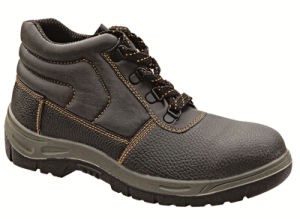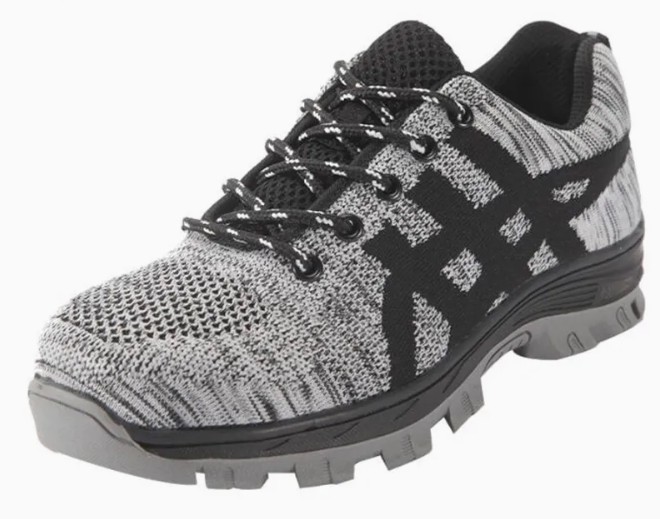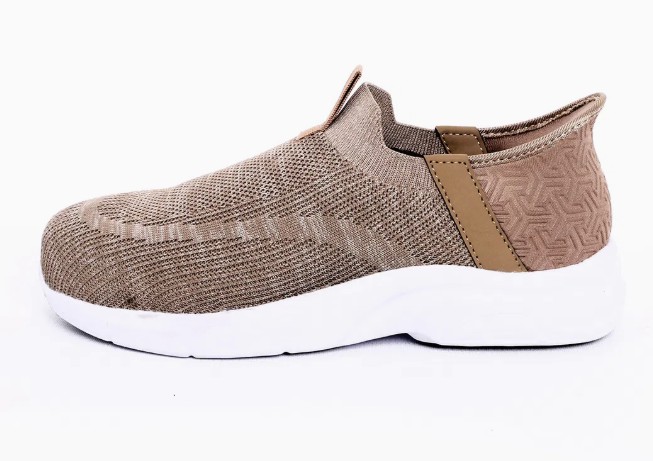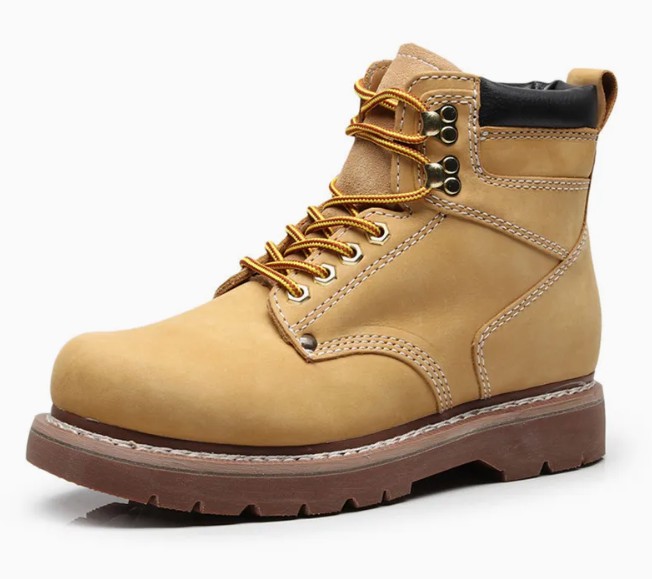
The Ultimate Guide to Puncture-Resistant Safety Footwear
Product description
In high-risk environments, your feet are your foundation. They carry you through demanding shifts, often in conditions where a single misstep can lead to a life-altering injury. While heavy machinery and falling objects are obvious threats, one of the most insidious dangers comes from below: sharp objects lurking on the ground. Puncture-resistant safety shoes are the unsung heroes of personal protective equipment, designed specifically to defend against this silent hazard. This guide delves into the critical features, benefits, and applications of this essential footwear, helping you make an informed decision for unparalleled underfoot protection.
Understanding the Technology: What Makes a Shoe Puncture-Resistant?
At the heart of every puncture-resistant shoe lies a sophisticated inner shield, known as the puncture-resistant midsole. This is not merely a thick piece of rubber; it is a meticulously engineered barrier. Typically constructed from ultra-strong, non-metallic composites like Aramid fibers or advanced plastics, this thin, flexible plate is seamlessly integrated between the outsole and the insole. Its primary function is to absorb and disperse the immense pressure from a sharp, penetrating object. When a nail, shard of glass, or jagged metal attempts to pierce through the sole, this midsole acts as an impenetrable stopgap. The material's high-tensile strength and tightly woven or layered structure prevent the object from buckling or breaking, effectively blunting its tip and stopping it far short of the foot. This technology provides a formidable defense without sacrificing the flexibility and comfort needed for all-day wear.
Key Features That Define Quality and Performance
When selecting puncture-resistant footwear, several core features work in concert to deliver optimal safety and comfort. A robust outsole is the first line of defense. Look for designs made from durable rubber or polyurethane that offer superior slip resistance, providing traction on oily, wet, or uneven surfaces. The material composition of the puncture-resistant midsole itself is paramount. Modern composites are lightweight and flexible, preventing the fatigue associated with older, heavier steel plates, and they are also thermally neutral, protecting against temperature extremes. A supportive footbed is crucial for comfort, cushioning the foot and mitigating impact during long hours of standing or walking. Furthermore, many models incorporate additional safety elements such as reinforced toe caps that meet ANSI/ISEA standards for impact and compression, and some may even offer electrical hazard protection to shield against accidental contact with open circuits.
The Tangible Benefits for the Modern Professional
Investing in high-quality puncture-resistant shoes yields a multitude of advantages that extend far beyond basic foot protection. The most significant benefit is, of course, the drastic reduction in workplace foot injuries. By creating a reliable barrier against punctures, these shoes prevent painful, debilitating wounds that can lead to infection, lost workdays, and significant medical expenses. This proactive approach to safety fosters a more secure and confident workforce. Furthermore, the advanced materials used today ensure that this protection does not come at the cost of comfort. Lightweight and flexible, these shoes reduce leg and back strain, enhancing overall productivity and reducing fatigue. For employers, mandating this footwear can lead to lower incident rates, reduced insurance premiums, and a stronger safety culture, demonstrating a clear commitment to employee well-being.
Where is Puncture-Resistant Footwear Non-Negotiable?
The application for this specialized footwear is vast and varied across numerous industries. Construction sites are a primary example, where scattered nails, sharp metal debris, and wood with exposed screws are commonplace. In the demolition and waste management sectors, workers navigate unpredictable terrain filled with broken glass, sharp plastics, and other hazardous materials. Manufacturing plants, particularly those involving metal fabrication or assembly, often have metal shavings and tool fragments on the floor. Landscaping and forestry professionals face threats from thorns, sharp rocks, and even chainsaw accidents. Essentially, any worksite where the ground presents a potential piercing hazard is an environment where puncture-resistant shoes transition from a recommended accessory to an essential piece of personal protective equipment.
Frequently Asked Questions
Can these shoes protect against any sharp object?
While highly effective, puncture-resistant shoes are engineered to defend against most common workplace threats like nails, screws, glass, and sharp metal fragments. However, they are not designed to withstand the extreme force of ballistic threats or deliberate stabbing with weapons like knives. Always check the manufacturer's specifications for the tested resistance levels.
Are they as comfortable as regular work shoes?
Absolutely. Modern puncture-resistant footwear prioritizes comfort equally with safety. The use of advanced, flexible composites and ergonomic design means you get robust protection without the weight and rigidity of older technologies. Features like cushioned insoles and breathable linings make them suitable for all-day wear.
How do I know if a shoe meets safety standards?
Look for certification markings inside the shoe. In North America, the American Society for Testing and Materials (ASTM) F2413-18 standard specifies requirements for puncture resistance. A shoe that complies will be clearly marked with "PR" to indicate it has passed rigorous testing for puncture protection.
Do I still need to wear these if my worksite is generally clean?
Yes. Even on the most well-maintained sites, hazards can appear unexpectedly. A single nail dropped from a toolbelt or a piece of debris tracked in from outside can pose a serious risk. Wearing puncture-resistant shoes is a simple, proactive measure for comprehensive safety.
How long does the puncture-resistant protection last?
The protective midsole is designed to last the lifetime of the shoe under normal wear conditions. However, the overall longevity depends on factors like the degradation of the outsole and upper material. It is recommended to inspect your shoes regularly for signs of excessive wear and replace them when the structural integrity is compromised.
Making the Right Choice for Uncompromised Safety
Your choice in safety footwear is a direct investment in your health and mobility. Puncture-resistant shoes represent a critical layer of defense in a comprehensive safety program. By understanding the technology, recognizing the key features, and knowing their essential applications, you can select footwear that offers not just compliance with regulations, but genuine peace of mind. Do not leave your safety to chance; ensure your soles are shielded with the reliable protection they deserve.
Recommended products