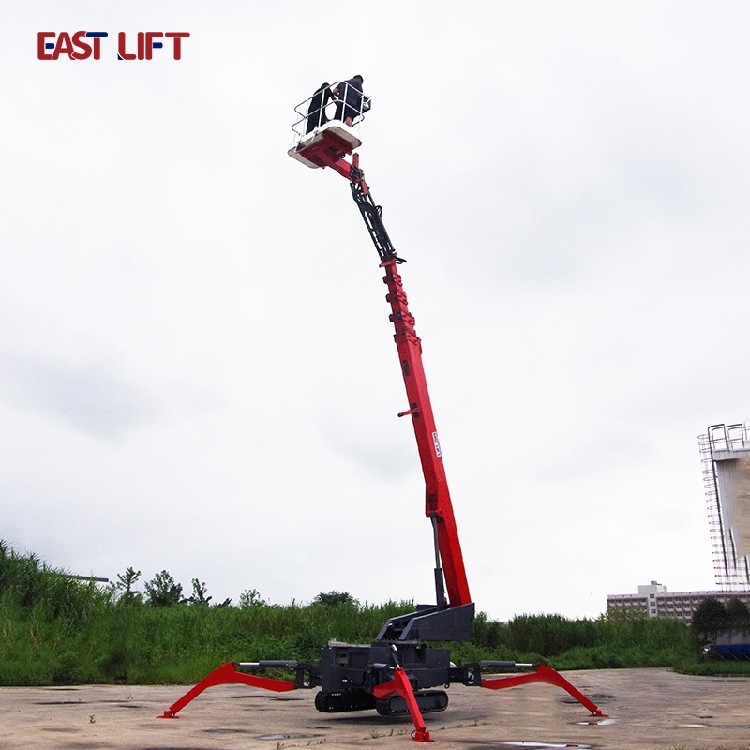
The difference between a spider truck and a spider crane
Product description
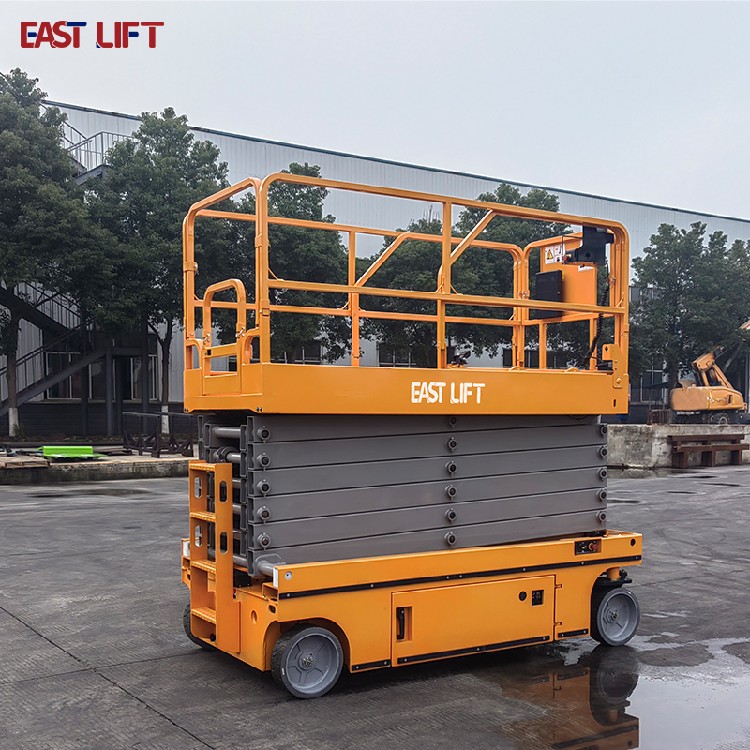
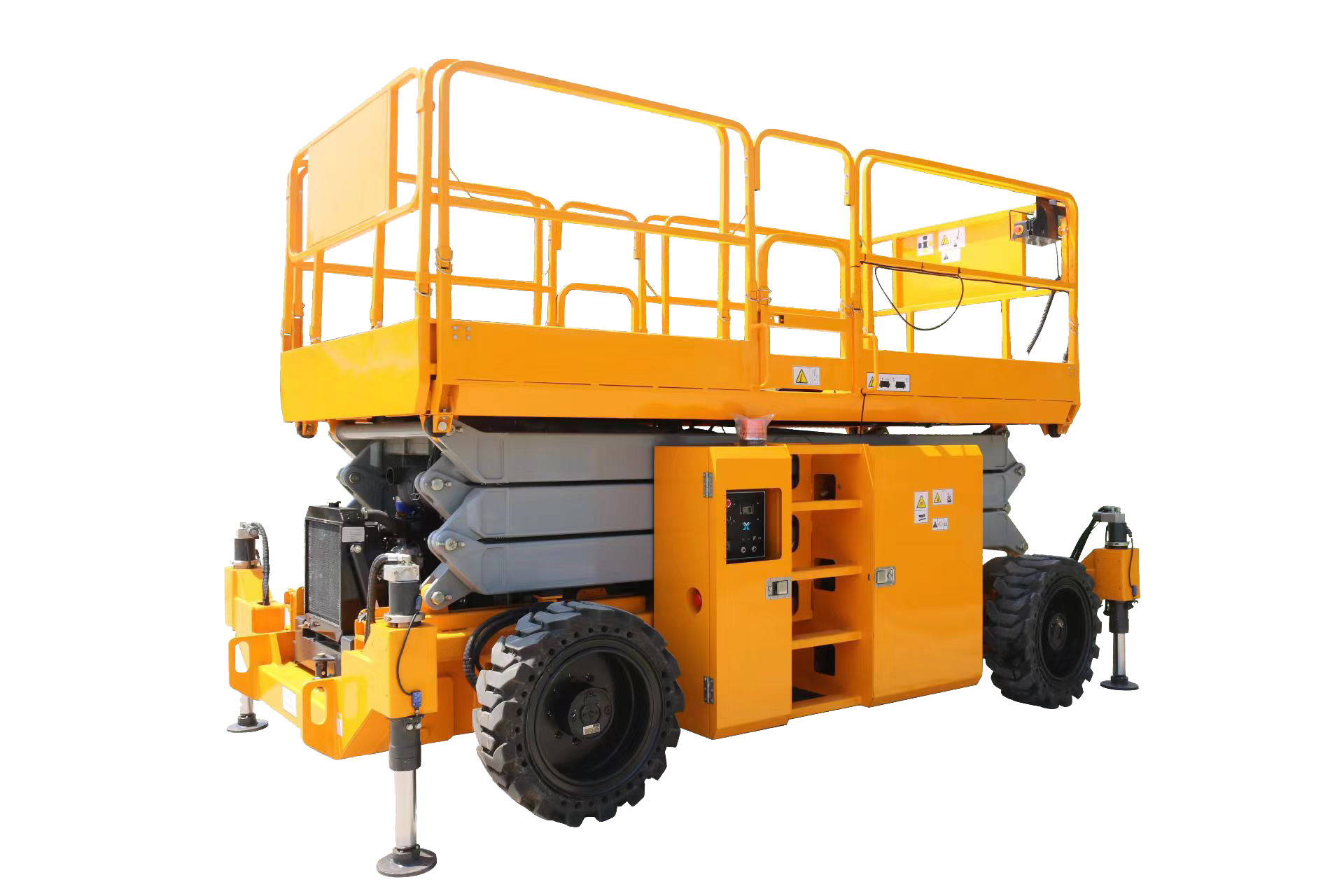
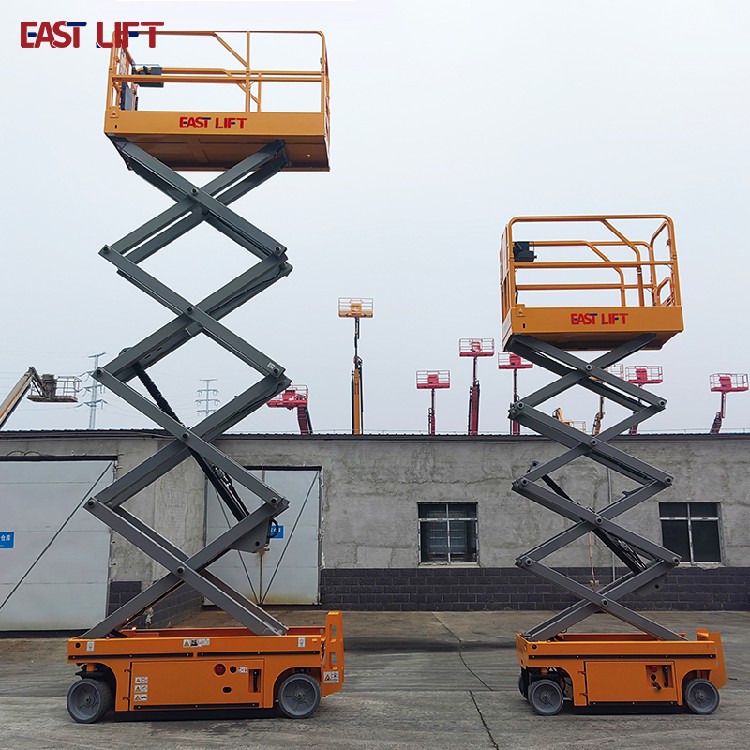
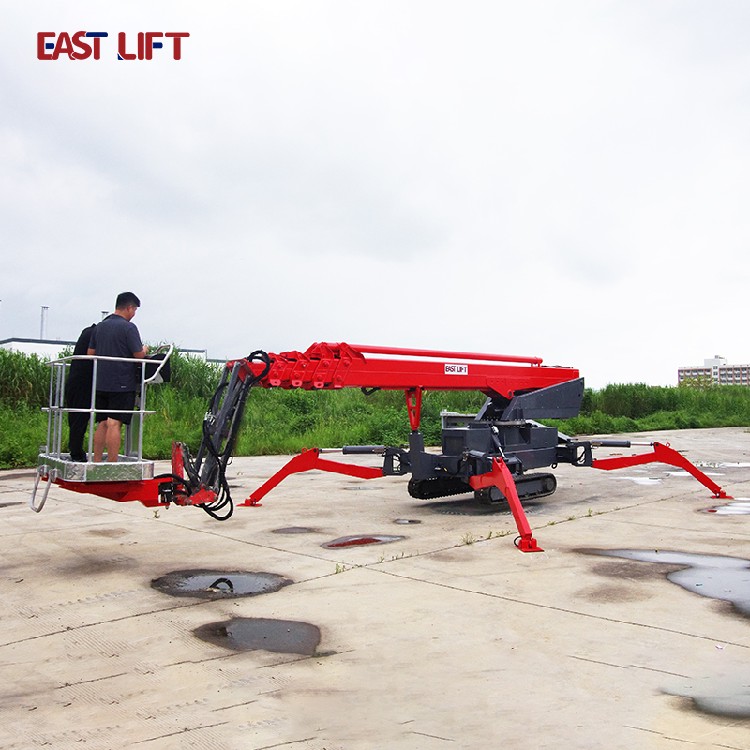
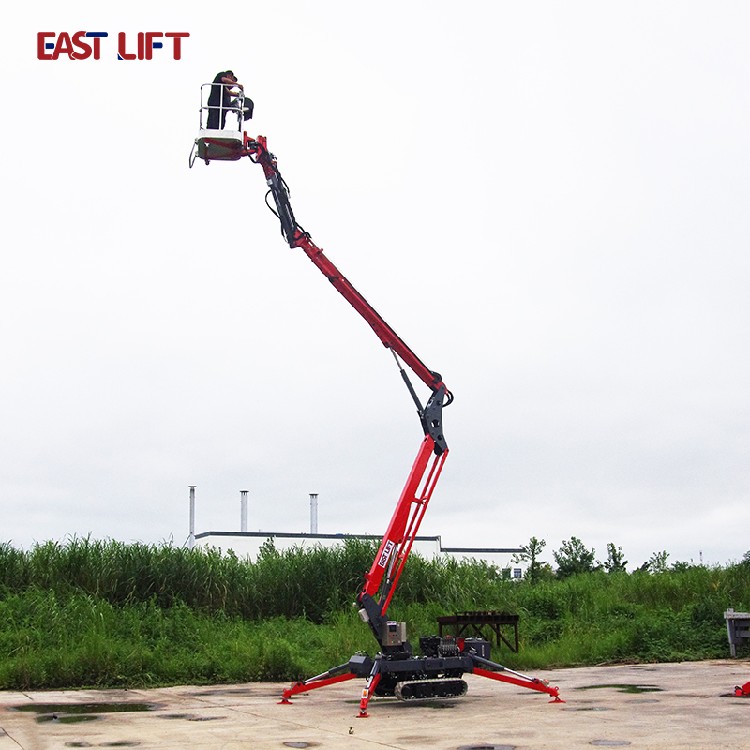
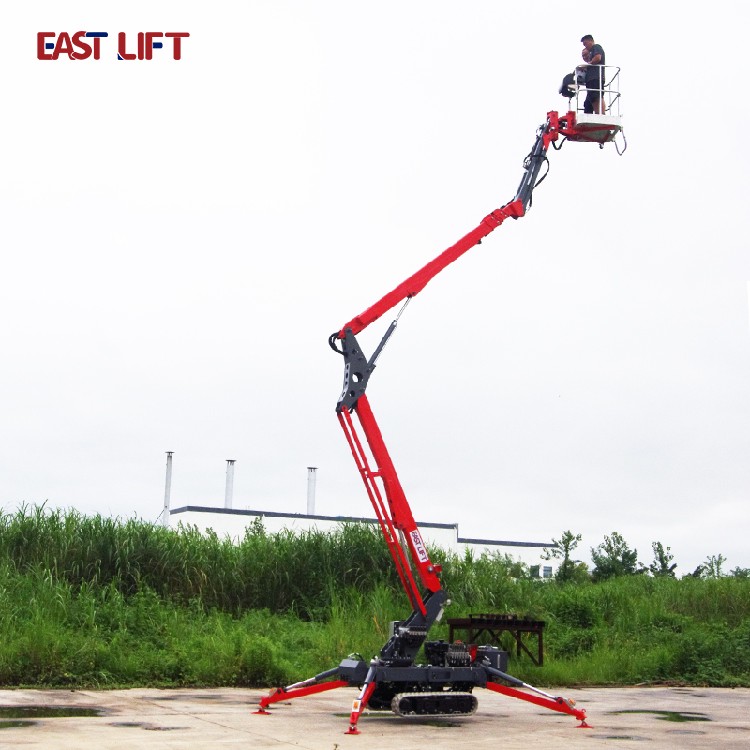
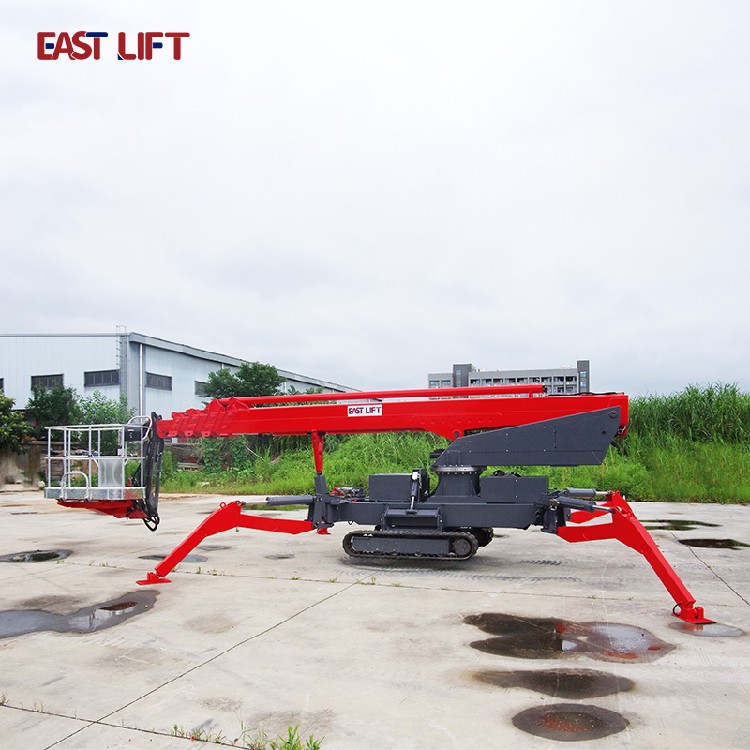
In daily life, many people mistake a spider crane with spider-like outriggers for a spider truck, but they are not the same. As the names suggest, spider trucks and spider cranes are somewhat different. Although they belong to the same industry of high-altitude operations, spider trucks are lifting platforms for carrying people to work at heights, while spider cranes are mini cranes (though there are larger ones) for lifting heavy objects in confined spaces. They may look like spiders, but their core functions are completely different.
I. Core Uses:
Spider truck: a mobile lifting platform for high-altitude operations.
The core mission of the spider lift is to safely transport people and tools to high places, allowing workers to easily operate directly at heights. Whether it's indoor ceiling inspection or outdoor curtain wall cleaning, it can steadily carry people to the target height, serving as a flexible and mobile aerial work platform.
In daily life, we often see their applications, such as ceiling installation in shopping malls, lighting and sound system setup in stadiums, tree trimming outdoors, and even high-altitude maintenance in airport terminals. Moreover, it can adapt to different height requirements, and the working height can be selected, covering both low and high floors.
Spider crane: A powerful tool for lifting and moving heavy objects.
The core mission of a spider crane is to precisely lift and place heavy objects, specifically solving the problems that traditional cranes cannot access or lift. It operates entirely without personnel, solely responsible for hoisting heavy loads.
Its applications include installing large air conditioning units in basements, hoisting decorative props in shopping malls, replacing heavy beams and columns during the renovation of ancient buildings, and installing elevator components in elevator shafts, enabling precise lifting and avoiding damage to surrounding objects.
II. Key Structure:
Spider-like vehicle: manned platform and flexible boom
The signature component of the spider crane is its work platform (the work bucket with guardrails), the core area for carrying personnel. It also features a leveling function, ensuring the work bucket remains horizontal even on sloping ground to guarantee worker safety.
The boom comes in two types: the articulated boom version uses a multi-joint folding design, bending at multiple angles like a human arm to navigate around obstacles; the straight boom version uses a single-joint rope retraction structure, offering faster lifting speeds and suitability for long-distance, high-altitude operations. The spider legs at the bottom are independently adjustable, allowing for adjustments to length and angle on slopes, steps, and soft ground to maintain stability. Operation is highly flexible, allowing control from the ground or from inside the work bucket via handles for lifting, extension, and rotation—the movements are smooth and easy to control.
Spider crane: boom and hook plus winch
The hallmark of a spider crane is its boom and winch, which, when changed, are hooks. It lacks a personnel platform; all operations revolve around lifting heavy objects. Some can be equipped with vacuum suction cups to accommodate the lifting needs of various heavy materials such as glass and steel. The boom is a telescopic structure, mostly constructed of high-strength alloy steel, with spider-like outriggers at the bottom that can independently extend 360° and automatically level themselves. Combined with a tracked chassis, it exerts very little pressure on the ground. Operation is primarily remote-controlled; operators can control the boom's extension and retraction, the lifting and lowering of the load, and even rotate the crane in place for precise adjustments to the lifting position, all from a safe distance.
III. Performance Characteristics
Spider-like vehicle: manned platform and flexible boom
Spider-type mobile cranes offer a wide range of power options, including battery, AC, and diesel combinations. Indoor cranes typically use electric models for zero emissions and low noise, while outdoor cranes generally use diesel models with ample power, allowing for seamless switching. Their compact design allows them to fold down to pass through standard 2-meter-high doorways, making them easy to navigate narrow corridors and shopping mall passageways. Safety features include a fall arrestor on the work platform and an alarm that sounds if the boom rotates beyond a safe range.
Spider crane: A breakthrough in lifting capacity and spatial design
Spider cranes are designed to be disassembled and transported. Their modular design allows them to be broken down into smaller parts and transported to higher floors via elevators and stairs. For environmentally friendly power options, both diesel and electric power are available. Safety features include overload alarms, tilt monitoring, and emergency braking. Overload protection automatically cuts off dangerous actions to prevent heavy objects from falling.
Conclusion
Both spider trucks and spider cranes share the characteristic of having adjustable outriggers, allowing them to adapt to complex terrain and navigate narrow spaces. They also exert minimal pressure on the ground without damaging it. However, the key difference lies in their carrying mechanisms. Spider trucks are equipped with a work bucket to transport personnel, solving the problem of working at heights, while spider cranes are equipped with a hook, solving the problem of transporting heavy objects in confined spaces.