EASTLIFT
Product description
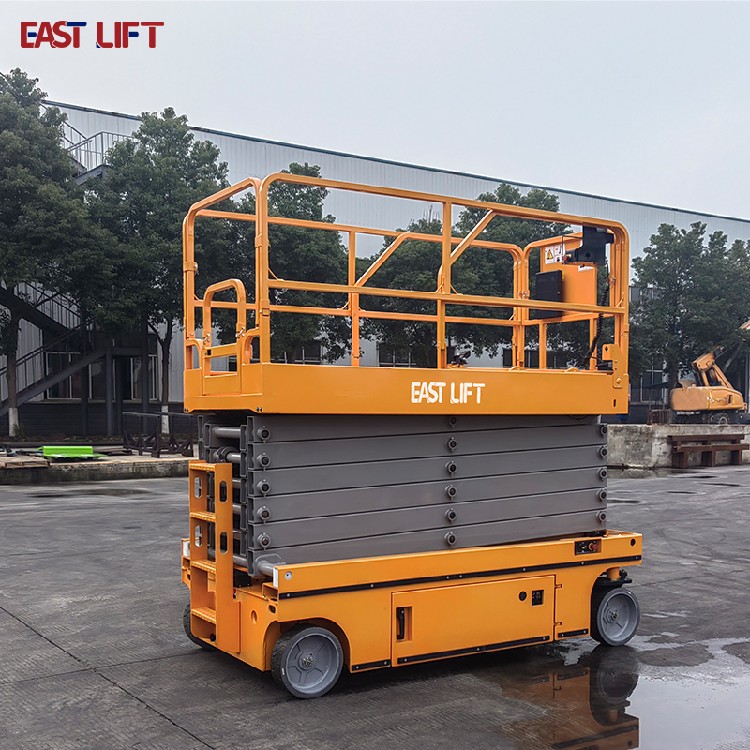
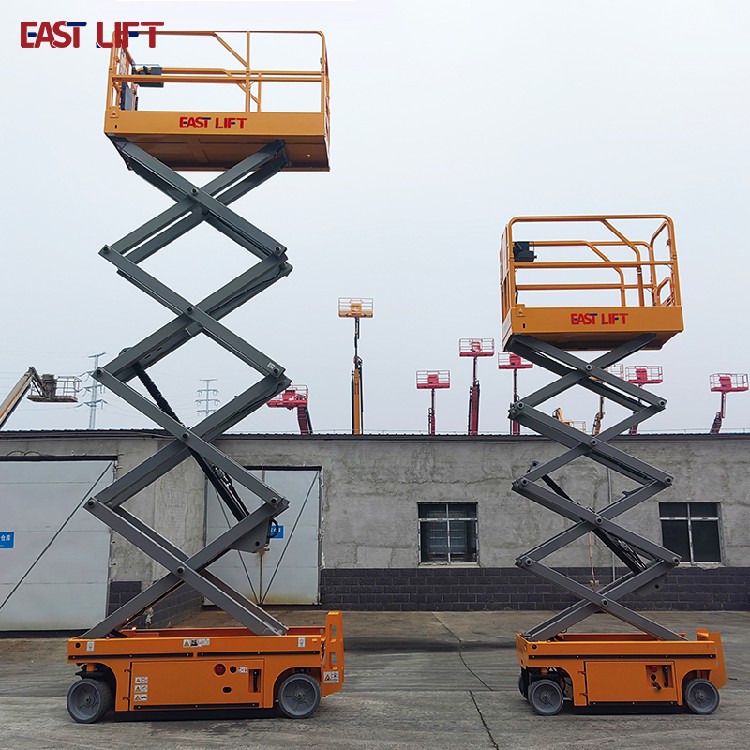
Safety of Electrification Technology for Aerial Work Platforms
The safety of electrification technology for aerial work platforms is generally controllable and superior to traditional fuel-powered/hydraulic models. Mature solutions and mandatory standards are applied in battery systems, electronic control, high-voltage safety, active protection and emergency mechanisms. Meanwhile, key risks requiring strict control include battery thermal runaway, high-voltage electric shock, and reliability issues under low-temperature or water-immersed conditions.
I. Core Safety Advantages of Electrification
- Forced Insulation and Interlock: High-voltage circuits are equipped with High-Voltage Interlock (HVIL) that cuts off power immediately when the cover is opened. The overall insulation resistance of the vehicle is ≥ 1000Ω/V, with real-time monitoring and alarm functions.
- Compliant Protection Level: Motors, electronic control units and battery packs generally meet IP65/IP67 standards, providing waterproof, dustproof and accidental contact protection.
- Multi-level Power Cutoff: Dual emergency stop buttons are installed on the platform and chassis with a response time ≤ 0.1 second. A three-level power cutoff system is adopted, consisting of high-voltage main contactors, fuses and BMS.
- Lithium Iron Phosphate Batteries as Mainstream Choice: They feature better thermal stability than ternary lithium batteries, with higher thermal runaway temperature and lower risk of gas production or deflagration.
- Full-lifecycle BMS Management: Protection against overcharge, over-discharge, overcurrent, overheating and low temperature. Active thermal management (liquid cooling/heating) controls temperature within 25–45℃, supported by three-level early warning and forced power cutoff.
- Structural Protection: Battery packs are designed for collision resistance, fire prevention and explosion protection, complying with standards such as UN 38.3, IEC 62133 and GB 38031.
- Dual Redundant Control: Dual electronic control channels for key actions (lifting/slewing), allowing one channel to take over if the other fails.
- Torque/Lock-Rotor Protection: Motor torque limitation prevents boom impact, stalling or extrusion risks.
- Safe Energy Recovery: Regenerative braking does not affect stability, ensuring smooth movement without jolting during downhill or deceleration.
- Real-time monitoring of load, inclination, amplitude and wind speed, with early warning + dangerous action locking when limits are exceeded (e.g., shutdown at 120% overload).
- Automatic Obstacle Avoidance/Collision Prevention: Ultrasonic, laser or visual sensors enable deceleration or stopping when approaching obstacles.
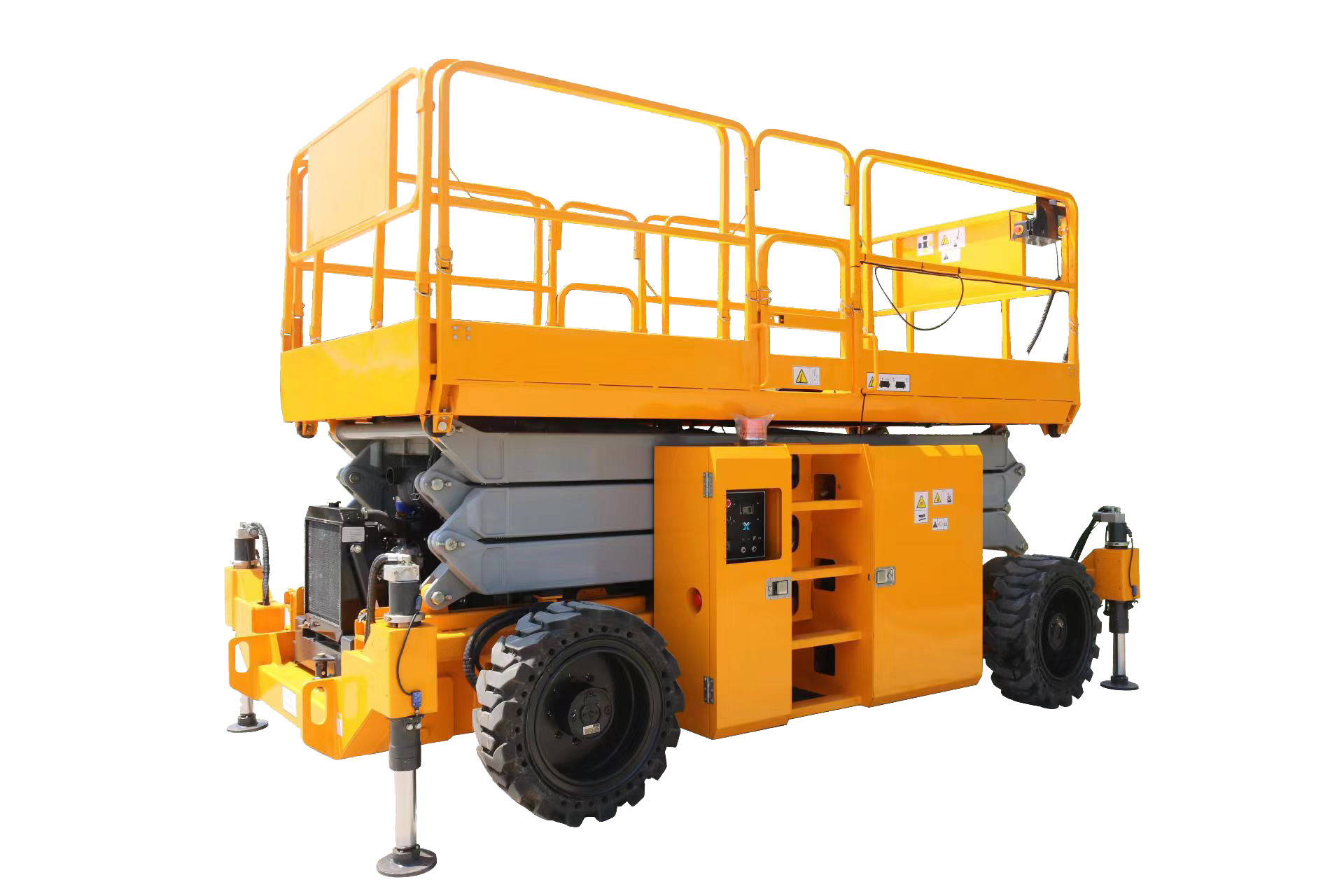
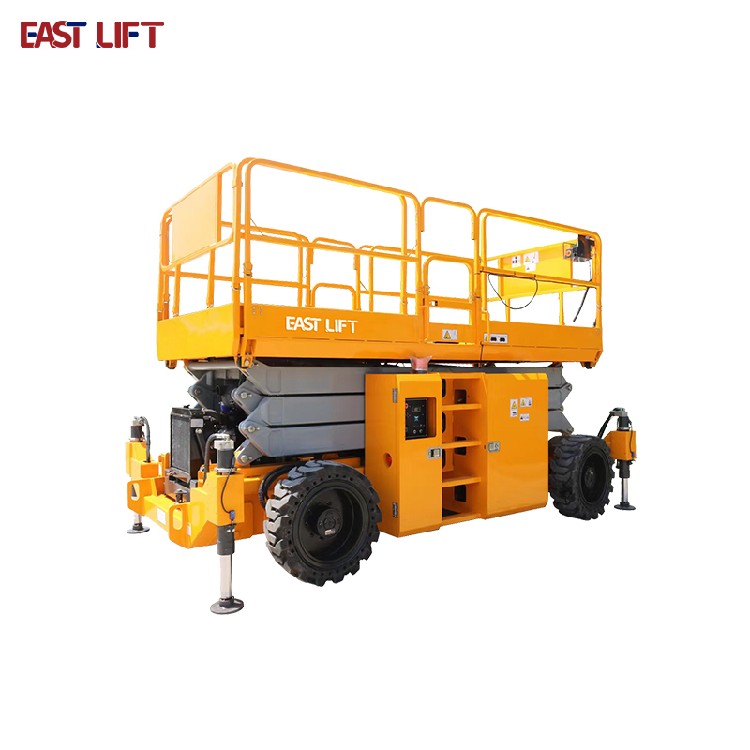
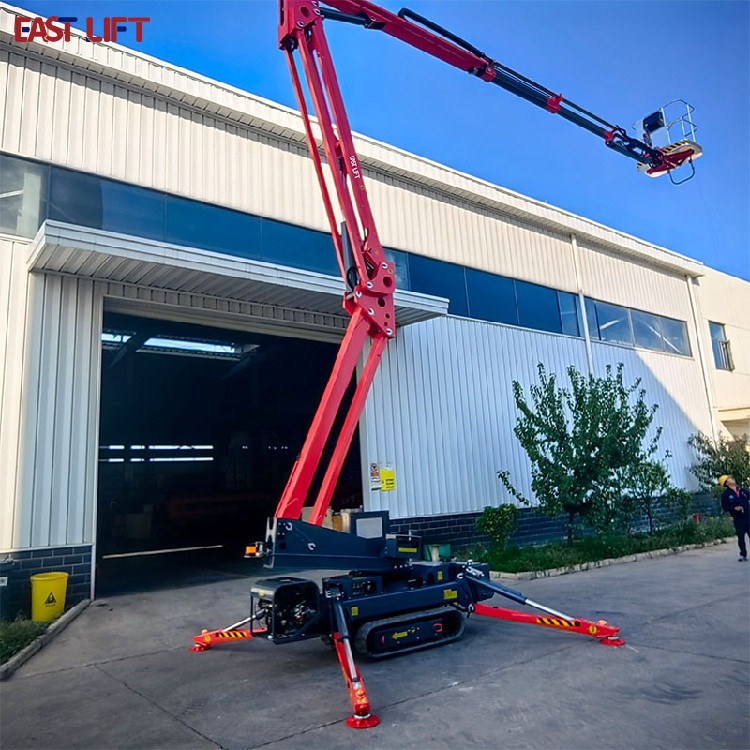
- Automatic platform leveling and outrigger interlock: Boom lifting is disabled unless outriggers are fully extended; alarm and locking are activated when inclination exceeds 3°.
- Emergency Descent: Backup battery + electric emergency pump/mechanical release ensure safe lowering of the platform in case of power failure.
- No Hydraulic Leakage Risk: Fully electric models use electric push rods instead of hydraulic cylinders, completely eliminating fire hazards caused by hydraulic oil leakage.
- Remote Monitoring: IoT-based real-time status uploading supports remote diagnosis, machine locking and emergency intervention.
II. Domestic and International Safety Standards & Certifications
- China: GB/T 9465 (Aerial work platforms), GB 25849 (Mobile elevating work platforms), GB 38031 (Power battery safety), GB 7258 (Motor vehicle safety).
- International: EN 280, ISO 16368, ANSI A92, CE (EU), ISO 13849 (Functional safety).
- Mainstream Manufacturers: Electric products from XCMG, Zoomlion, SDLG and other leading brands have obtained CE/ANSI/AS/NZS certifications and comply with export requirements.
III. Safety Guidelines for Operation and Maintenance
- Personnel: Operators must hold valid certificates and be familiar with high-voltage safety and emergency procedures. Maintenance requires power cutoff, voltage testing and locking/tagging.
- Environment: Stay away from flammable and explosive areas; avoid water immersion exceeding IP67 limits in rainy days; suspend operations when wind speed exceeds Level 6.
- Batteries: Use original chargers; avoid deep discharge; regularly inspect BMS, insulation and cooling systems.
- Daily Inspection: Check emergency stop devices, insulation, load/inclination sensors and emergency descent functions before each use; conduct regular high-voltage safety and functional safety tests.
Contact Now