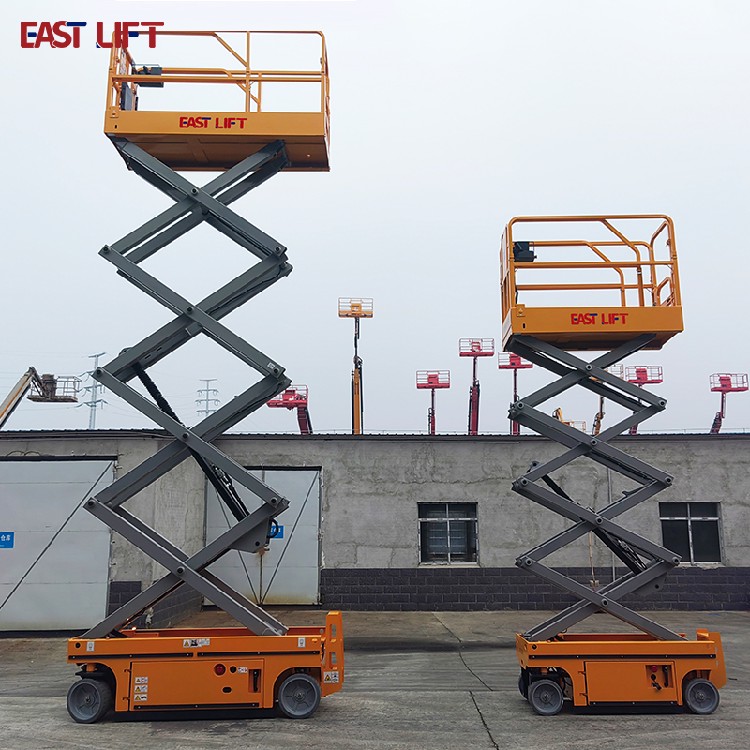

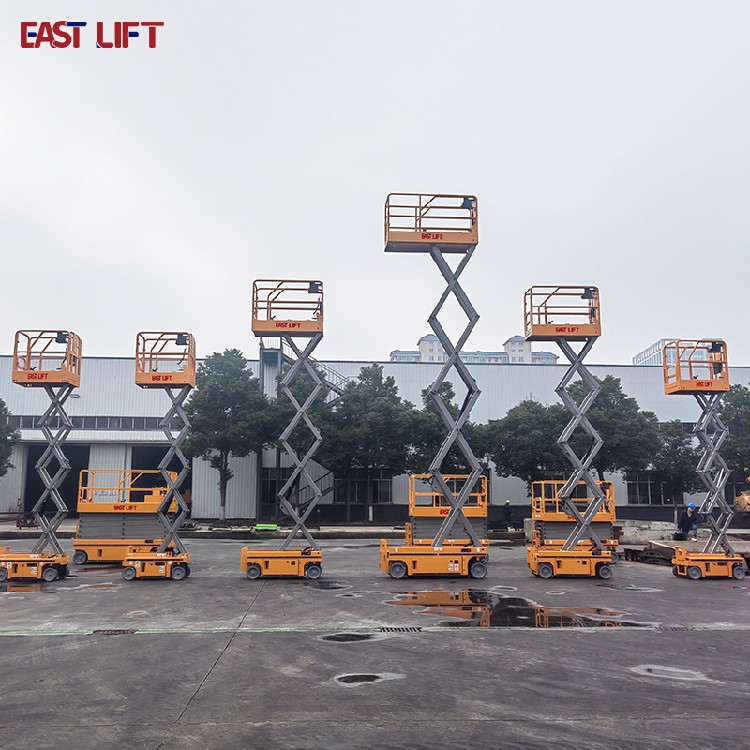
Maintenance and upkeep of electric scissor lift trucks
Product description
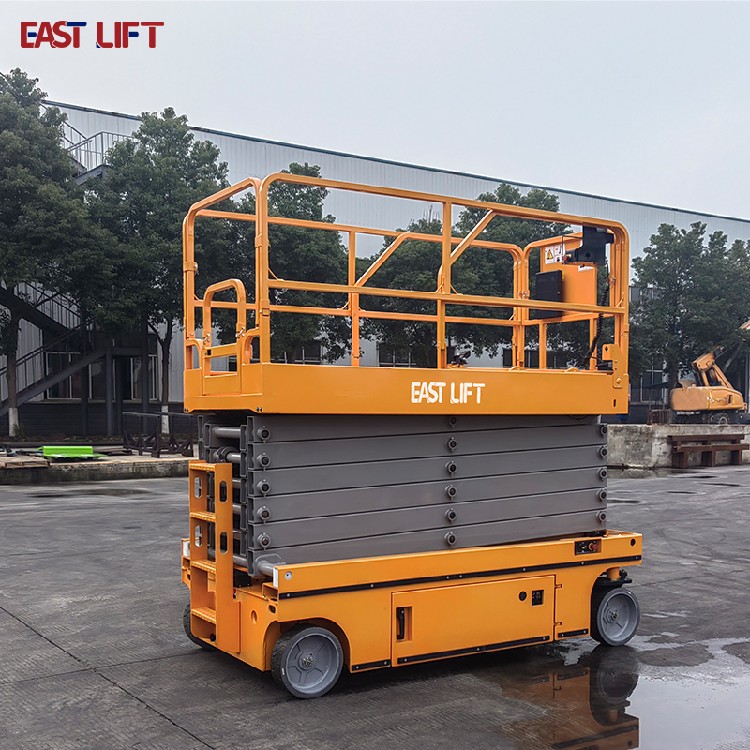
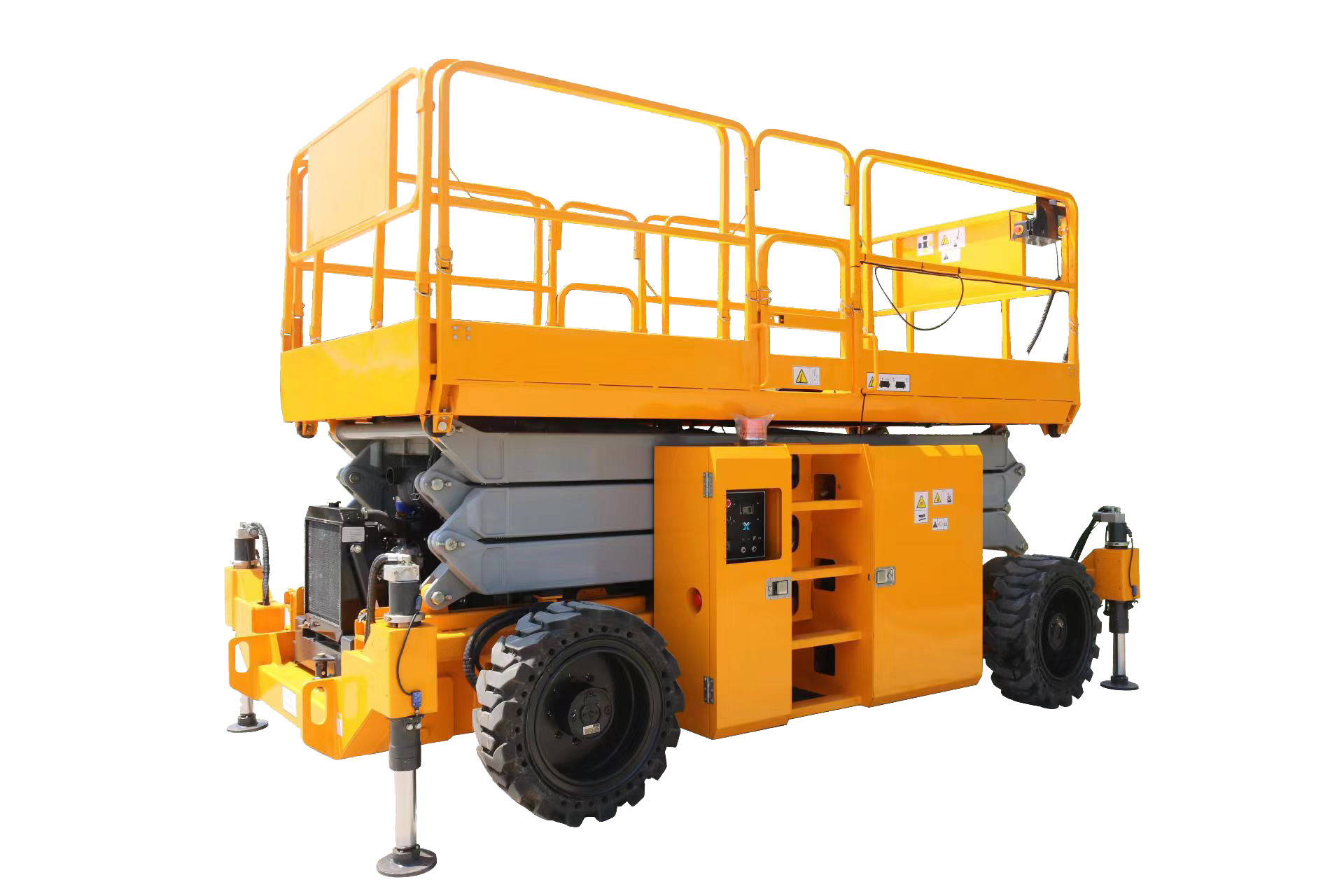
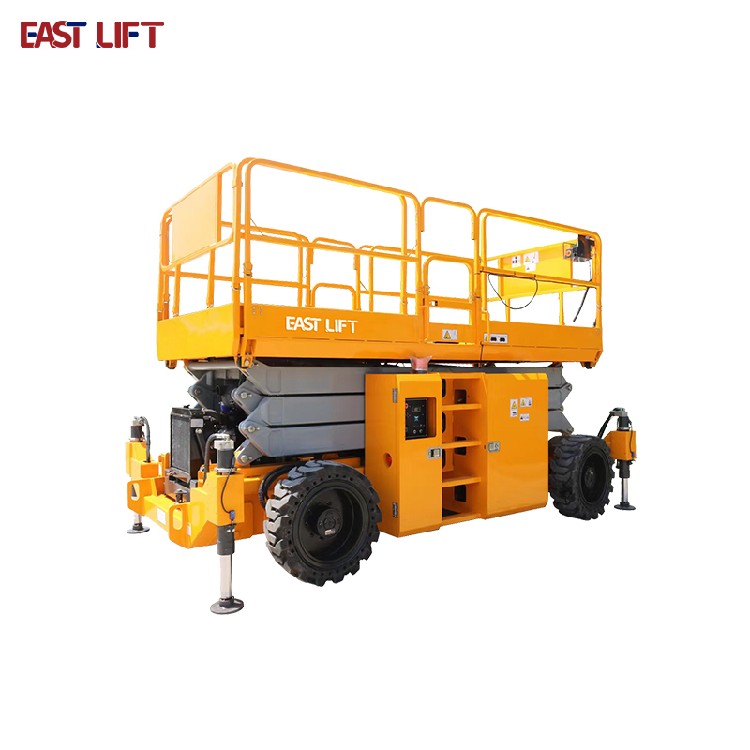
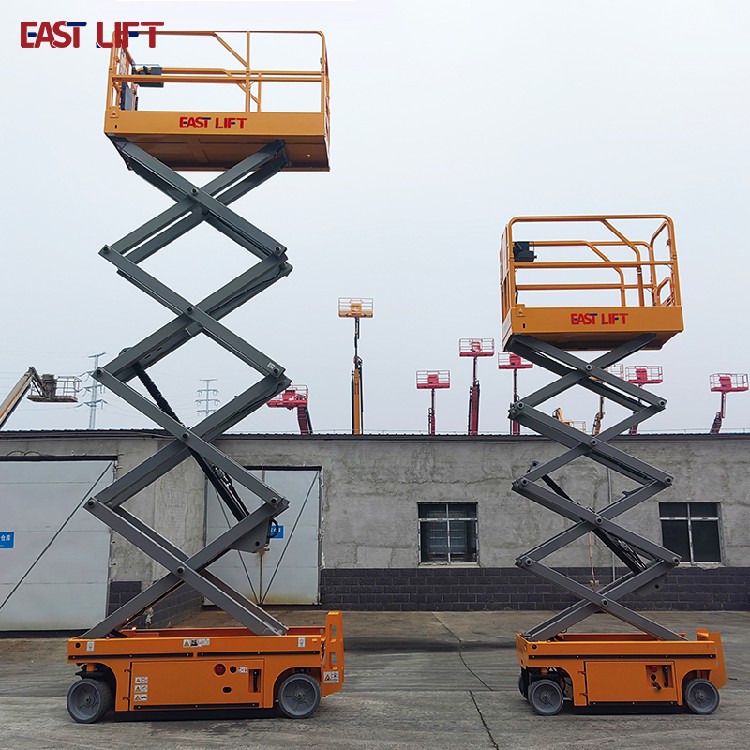
Electric scissor lifts (also known as electric scissor lift platforms) are commonly used electric lifting equipment in workshops, construction sites, and warehouses, and are widely favored for their environmental friendliness and quiet operation. To ensure that electric scissor lifts have a long service life, reliable battery life, and remain trouble-free, targeted maintenance is essential.
I. Before daily startup: Perform a quick check to avoid risks
Before using the electric scissor lift each time, take a few minutes to perform a basic inspection. This can help identify minor problems promptly and prevent malfunctions during operation. This step is similar to checking the brakes and fuel level before driving a car—simple yet crucial.
Inspection of appearance and environment
Regularly check the electric scissor lift for any dents or deformation, and inspect the tires or tracks for damage or leaks. Also, ensure the ground is level and firm, and that there are no obstacles or potholes in the work area, to maintain the stability of the electric equipment during movement.
II. Maintain good habits during daily use to extend the lifespan of the device
1. Specialized inspection of the electrical system
As a core component of the electric scissor lift, it is crucial to check whether the battery has sufficient power, and whether the charging interface, wiring connectors are loose, oxidized, or damaged. It's also important to ensure that the lights, warning bell, and emergency stop button are functioning correctly, and that the control lever moves smoothly without sticking, thus ensuring the proper functioning of the electrical control system.
2. Inspection of the hydraulic system
Observe the hydraulic oil level in the reservoir to ensure it reaches the standard mark. Use the type of hydraulic oil specified in the equipment manual. Check for any leaks or seepage in the oil lines and fittings, as oil leaks can affect the performance of the electric scissor lift and require prompt attention.
3. Inspection of safety devices
Check if the seat belt buckle is secure and undamaged, if the platform guardrails are intact, and if the limit switches and tilt alarm devices are functioning correctly. A light test is sufficient; it's not necessary to fully extend the platform to ensure the electric scissor lift operates safely.
The lifespan of an electric scissor lift depends on both proper maintenance and correct usage, especially regarding the battery and electrical system. Avoid overloading the equipment.
When using the electric scissor lift outdoors, avoid strong winds, heavy rain, extreme heat, and freezing temperatures. Do not use it on surfaces with standing water or oil spills to prevent slipping, corrosion of parts, or battery damage. Do not continue operating when the battery level is below 20%; stop and recharge immediately to avoid damaging the battery's lifespan.
III. Regular maintenance, based on time or operating conditions
The maintenance schedule for electric scissor lifts is determined by their frequency of use, with the core maintenance involving the replacement of hydraulic and electrical system components, and a focus on caring for the battery and motor.
1. Weekly check
If the electric scissor lift is used frequently, it should be inspected weekly. The main checks involve examining the hydraulic fluid and brake fluid levels, topping them up to the standard level, and wiping away any dust from the fluid reservoirs.Simultaneously, check the appearance of the electric scissor lift's battery for any bulging or signs of leakage.
2. Monthly inspection
A monthly inspection is conducted, primarily involving a thorough check of the electrical system. This includes removing the battery's dust cover, cleaning the oxidized battery terminals, checking the tightness of the wiring connectors to ensure a smooth charging circuit; and testing the motor's operation for normal sound, checking for any unusual noises or overheating, and promptly troubleshooting any problems found.
3. Annual inspection and professional testing
A comprehensive inspection of the electric scissor lift's motor, controller, wiring, and battery management system is necessary. The battery capacity degradation should be checked, and aging components and damaged wiring should be replaced promptly to ensure the safety and stability of the electrical system.
Conclusion
The core of electric scissor lift maintenance lies in frequent inspection of the electrical system, regular lubrication of hydraulic components, timely replacement of wear parts, and proper battery maintenance. Spending a few extra minutes each day on basic maintenance can prevent malfunctions that delay work, extend the lifespan of the battery and the entire machine, and reduce repair costs. If you encounter complex problems such as battery swelling or motor failure, do not attempt to disassemble the equipment yourself; instead, seek assistance from a professional.