How is a spider lift operated?
Product description
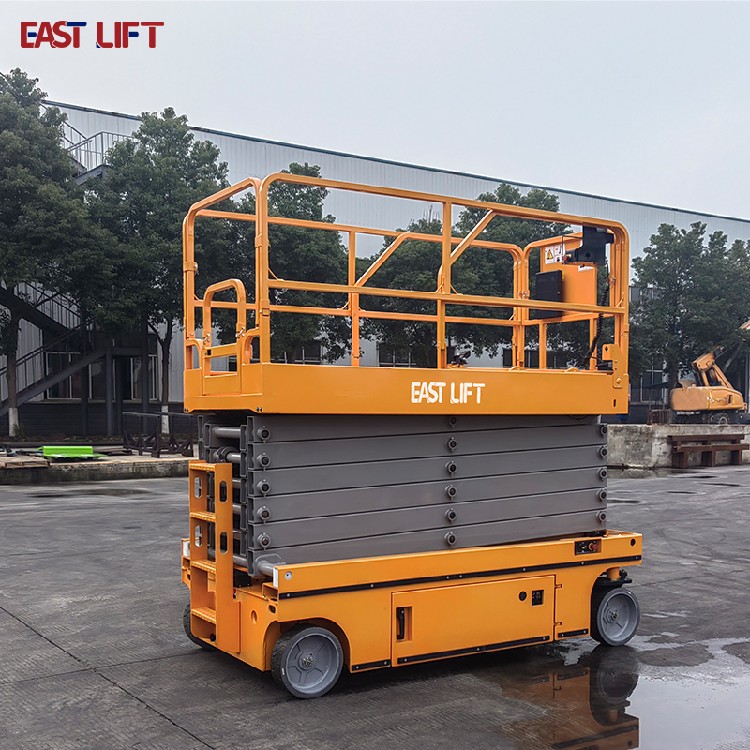
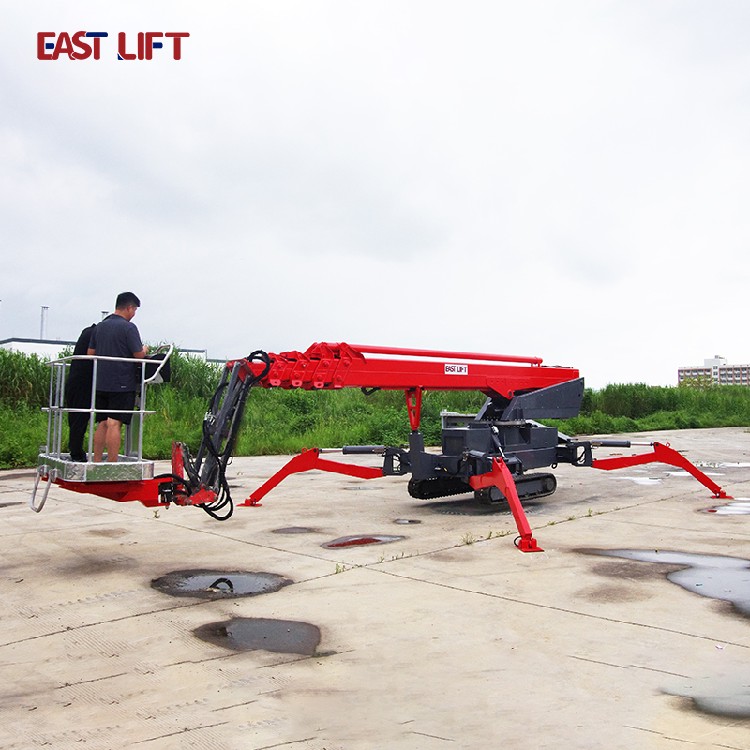
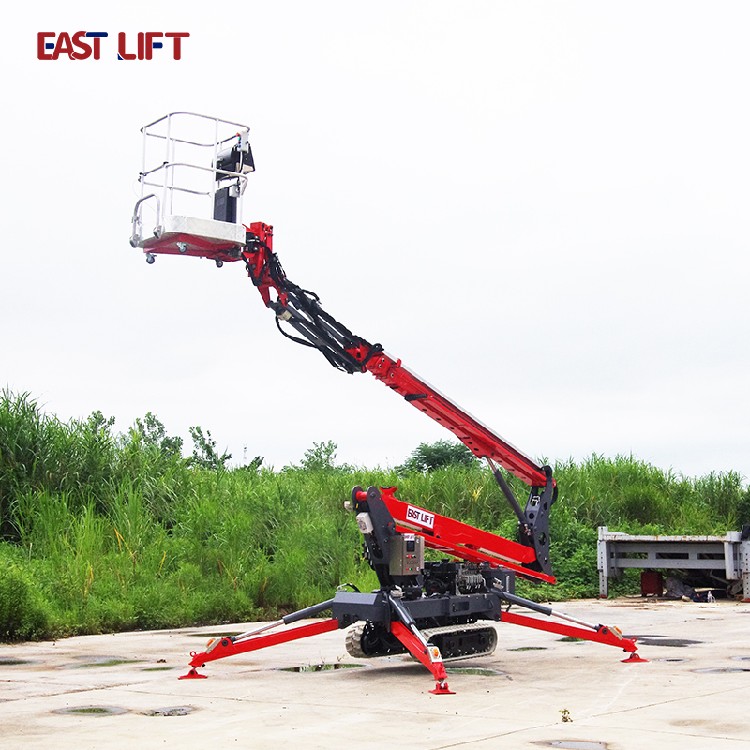
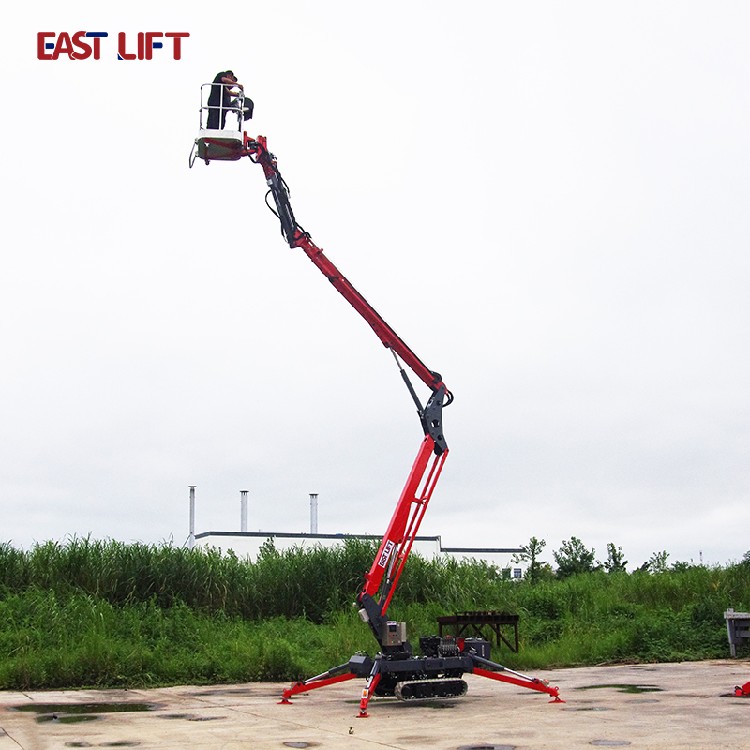
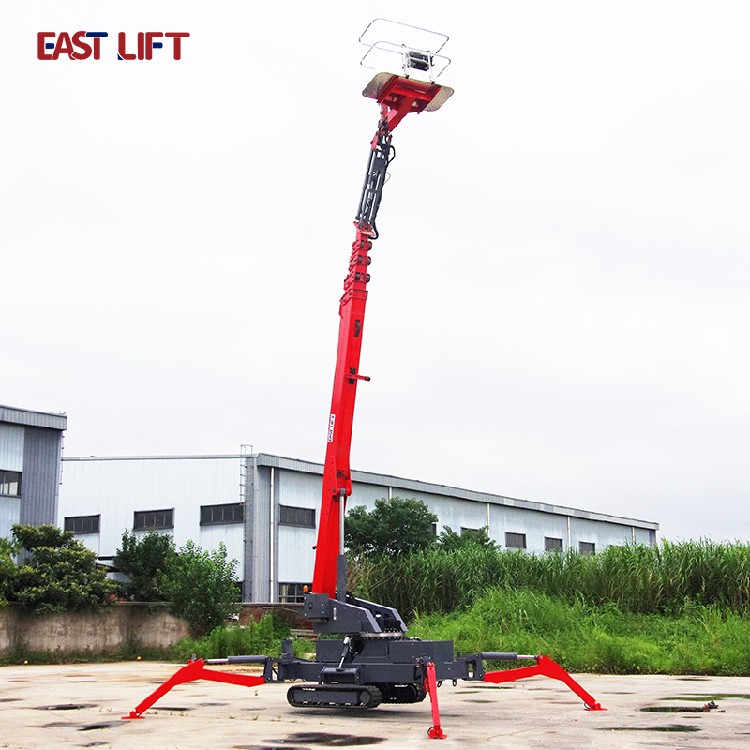
In daily life, we more or less have seen spider lifts—they are widely used in construction, building maintenance, tree trimming, film facade installation and other scenarios. However, people who don’t know about them may think the operation is definitely complicated. In fact, it is not. Operating a spider lift is extremely simple. All you need is a remote controller and a key to start the machine. Of course, once you learn the simple signs on the remote controller, you can get the hang of it very quickly. Now let’s learn how to use a spider lift.
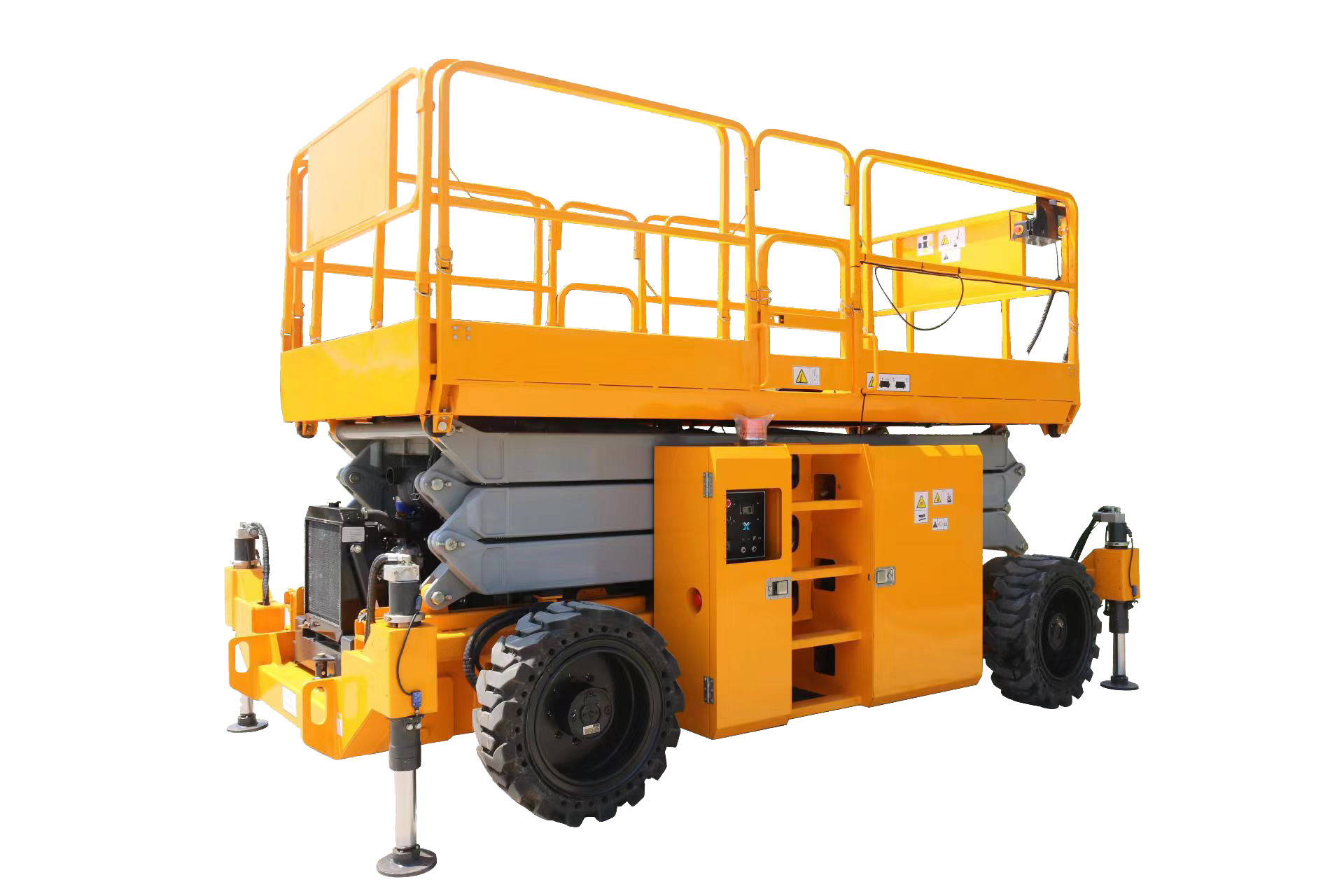
First of all, confirm whether the working site is on flat ground. As we mentioned before, muddy ground and sand pits are absolutely not allowed. For pressure-sensitive surfaces such as marble floors and lawns, remember to lay a thick steel plate or wooden board in advance to distribute the weight and prevent collapse. If working outdoors, stop working immediately when the wind force exceeds level 5 to ensure the safety of operators. After selecting the site, check the condition of the spider lift. The spider lift is equipped with a dual-power mode. For the electric type, check if there is power and whether the battery is sufficient before use; for the hybrid type, check the fuel level and whether the circuit is properly connected, along with other related issues. Inspect the hydraulic oil pipes for leaks, check if the outriggers can extend and retract smoothly, and test if the emergency stop button, safety guardrails and other devices are in good condition.
Finally, operators must wear safety helmets, non-slip shoes and full-body safety belts.
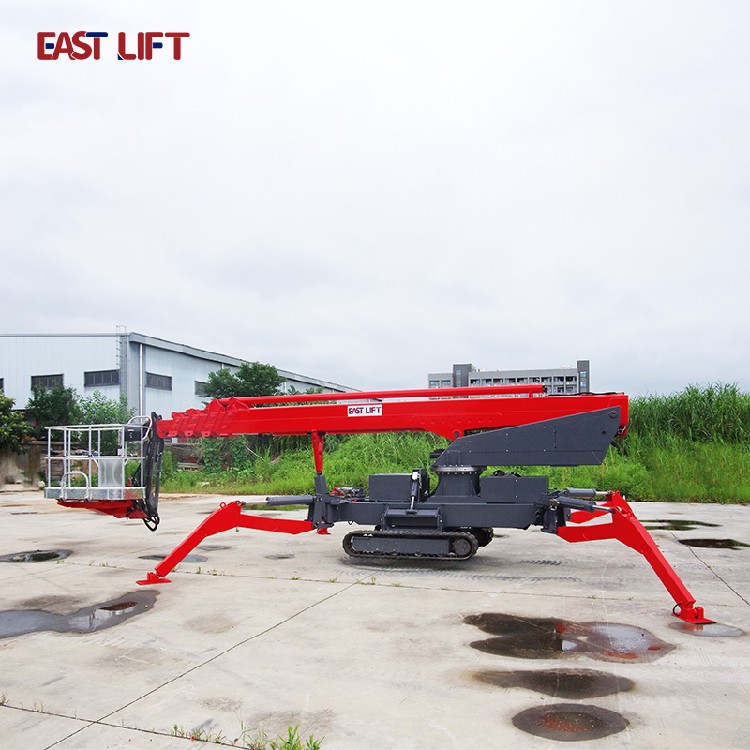
Next, follow the standardized operating procedures step by step. First, park the equipment stably and switch to the outrigger mode. Slowly extend the four outriggers to ensure the base plates are fully attached to the ground. Level the machine body with a level gauge and lock the outriggers firmly. Then conduct a no-load test run: test the boom’s extension, retraction, rotation and platform leveling functions. Only when there is no jamming or abnormal noise can personnel be allowed to work on the platform. During operation, move smoothly to avoid sudden stops or sharp turns of the boom. Strictly comply with the rated load limit and never overload. After completing the work, first retract the boom to the lowest position, then retract the outriggers in sequence. Clean up the debris on the equipment and park it in a dry and well-ventilated place.
Last but not least, never neglect safety and maintenance. It is strictly prohibited for unauthorized personnel to operate the equipment, climb over the platform guardrails or work near high-voltage lines and other dangerous behaviors. After daily use, clean the oil stains on the machine body and debris on the crawlers. Regularly check the hydraulic oil and seals. Recharge the electric type in a timely manner. Contact the manufacturer for a comprehensive inspection every year to extend the service life of the equipment.
In short, the core of spider lift operation is "safety first, standardized operation". Following the above procedures can not only ensure operational safety, but also give full play to its flexible advantages to efficiently complete aerial work tasks.