EASTLIFT
Product description
Aerial Work Platform Market in South America15
I. Market Overview (Top 5 Countries)
1. Market Size & Structure
Total sales volume in the region reached approximately 5,727 units in 2023, with a rapidly rising share of electric models.
Brazil accounts for over 60% of the total market.
Product mix:
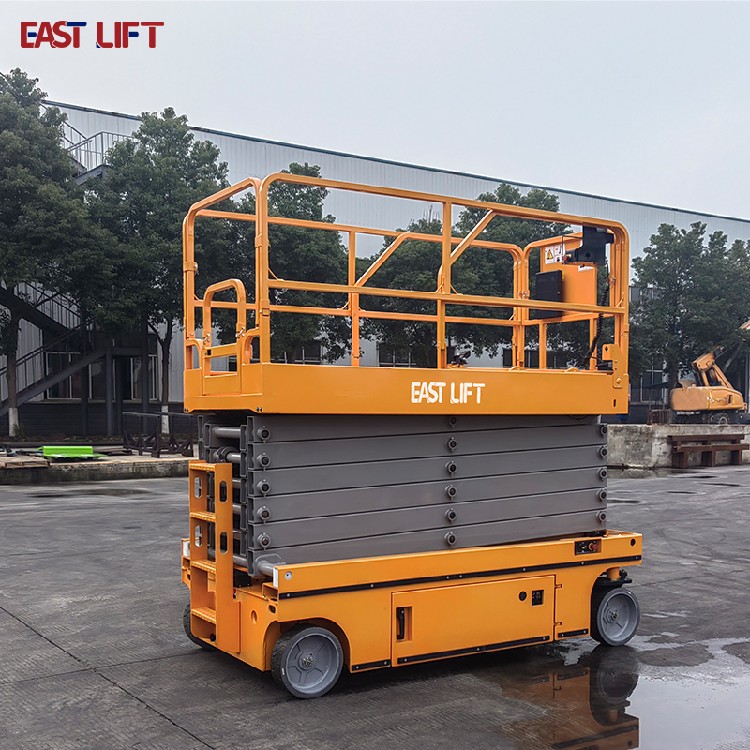
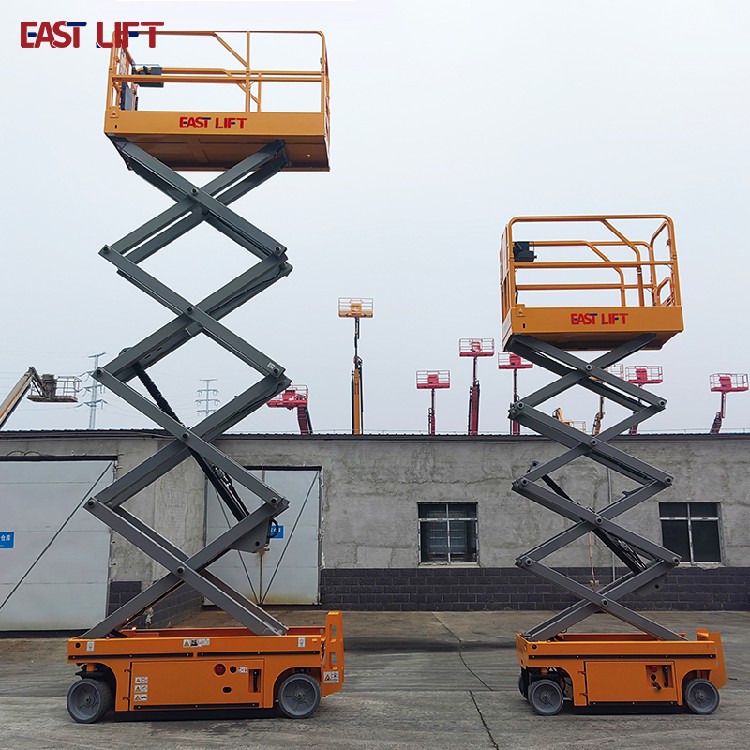
- Scissor lifts: 55%
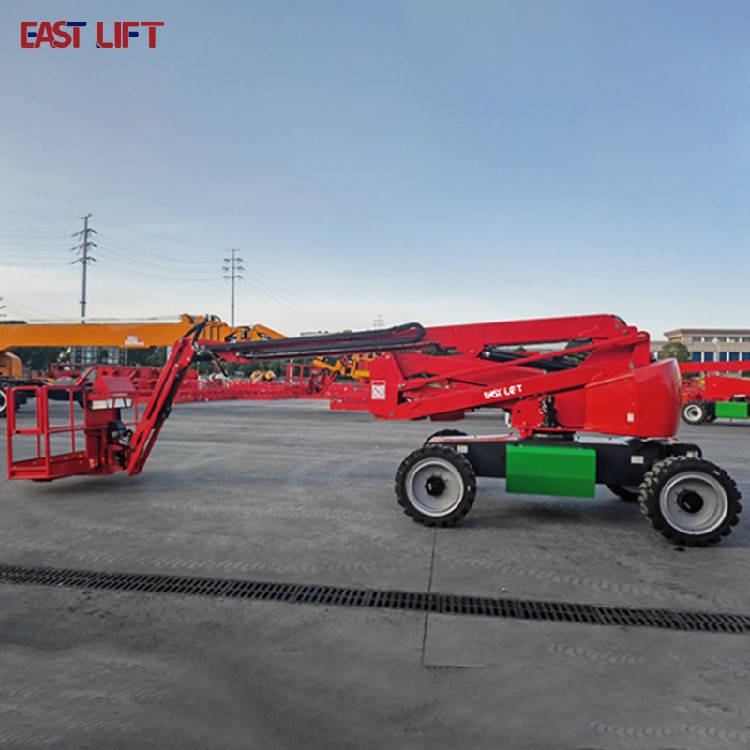
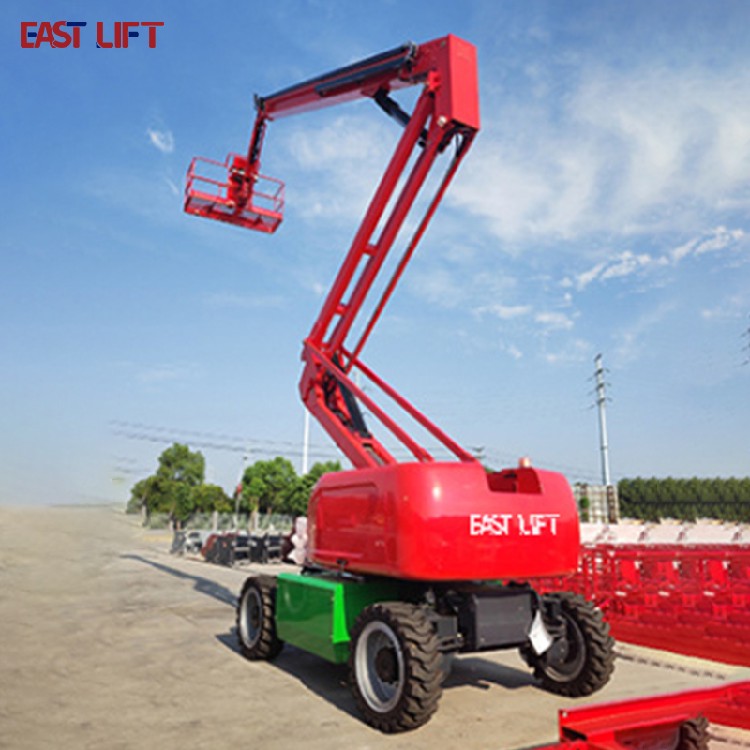
- Articulating boom lifts: 39%Together they represent 94% of the market.Units under 13 meters make up more than 60%.
- Applications:
- Construction, municipal maintenance, power utilities, logistics and warehousing, mining.
- Channel model:
- Rental-dominated (over 70%), direct sales as a supplement.
- Local dealers + rental companies are key channels.
2. Demand Characteristics
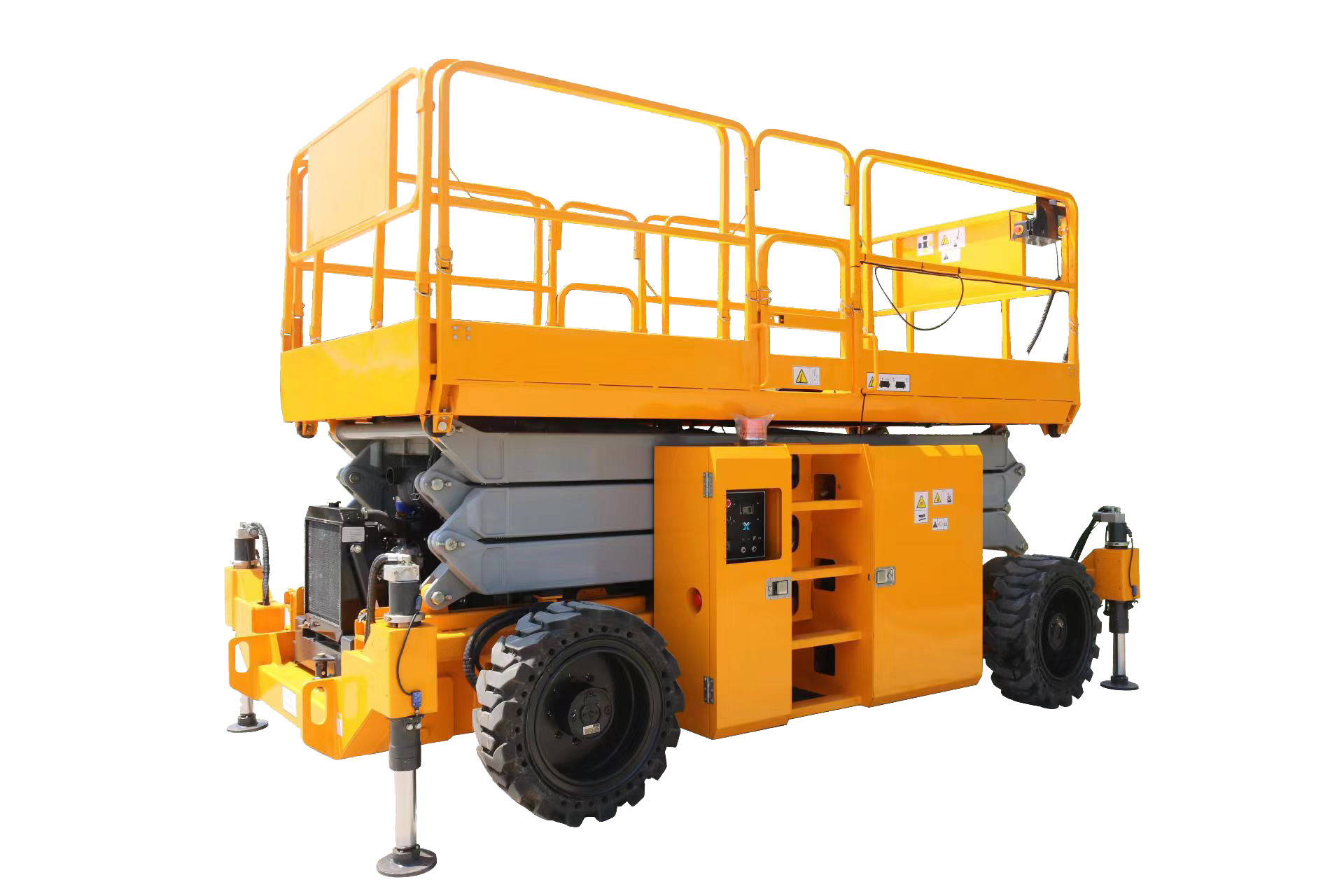
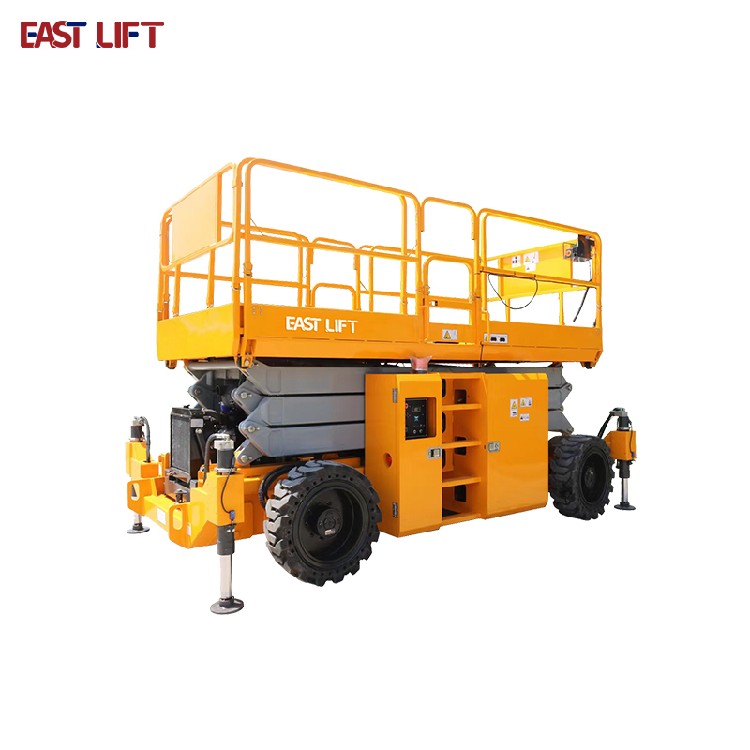
- Electrification trend:Lithium-ion scissors preferred indoors/urban areas; diesel or hybrid models for outdoor/mining sites, driven by stricter environmental and noise requirements.
- Working condition adaptation:Suitable for high temperatures, rough roads, coastal salt fog; growing demand for truck-mounted and spider lifts in complex environments.
- Price sensitivity:High cost-performance is prioritized. Chinese brands are gradually replacing used European and American equipment.
- Service dependency:Local after-sales support, spare parts availability and operator training are core competitive factors.
3. Competitive Landscape
- European & American brands (Genie, JLG, Skyjack):Dominate the high-end and rental markets.
- Chinese brands (XCMG, Dingli, Lingong Heavy Machinery):Growing rapidly; Brazil is the largest market for Chinese brands in South America.
II. Market Access & Certification (Mandatory Compliance)
1. Brazil (Core Market, Most Strict)
- INMETRO Certification (mandatory):Product safety and quality approval, requiring notified body testing + factory audit.
- NR12 (Machine Safety):Mandatory, covering design, guards, emergency devices, warnings, operator training; highly compatible with EN ISO 12100 / EN 280.
- NR11 (Lifting / Elevating Operations):Operator qualifications, equipment inspection, and operational management.
- Emissions:Off-road engines must comply with CONAMA 433/2011 (equivalent to Euro III / Euro IV).
- Documentation:Portuguese manuals, risk assessment, test reports, ART (local engineer responsibility statement).
2. Argentine
- IRAM standards (e.g., IRAM 3928) + SRT 960/2015 (occupational safety).
- Recognizes CE / ANSI A92, with supplementary local testing and Spanish documentation required.
- Mandatory items: risk assessment, safety device verification, operation manual.
3. Chile
- INN Certification (Chilean Institute of Standardization), referencing EN 280 / ANSI A92.
- Electrical safety: compliance with IEC 60204-1 and EMC requirements.
- Emissions: equivalent to Euro IV / Euro V.
4. Colombia / Peru
- Reference ASTM / ANSI A92 or EN 280; safety devices and risk assessment are mandatory.
- Local importer registration and Spanish technical files required.
III. Product Compliance Requirements (Based on EN 280 + Local Adaptation)
1. Core Safety Requirements (Mandatory)
- Structure & stability:1.25× static load test, 1.1× dynamic load test; tilt protection (shutdown above 3°), anti-tipping, wind load verification.
- Safety devices:Emergency lowering, emergency pump, overload / limit / emergency stop, guardrails ≥ 1.1 m, outrigger interlock.
- Control system:Functional safety level PLd (EN ISO 13849-1).
- Electrical:LVD (EN 60204-1), EMC, grounding protection.
- Environmental:Emissions compliance, noise limits, RoHS.
2. Localization Adaptation
- Language:Portuguese (Brazil) / Spanish (other countries) manuals, warning labels, user interface.
- Voltage:127V/220V 60Hz (Brazil); 220V 50Hz (Argentina).
- Chassis:Left-hand drive / right-hand drive available, suitable for off-road conditions.
- Climate:High-temperature protection, salt-spray corrosion resistance, optimized cooling.
IV. Market Entry Strategy (Practical Path)
- Market priority:Brazil (largest) → Argentina / Chile (regulated) → Colombia / Peru (high potential).
- Certification route:
- Channel development:Cooperate with major local rental companies / dealers, provide prototypes, training and spare parts support.
- Product portfolio:Focus on 8–16 m scissors and 14–22 m articulating booms (mainstream demand); support with electric and truck-mounted spider lifts.
- Service support:Establish local spare parts warehouses, train service engineers, provide remote diagnosis.
V. Risks & Challenges
- Complex certification:Long and costly process in Brazil; planning 6–12 months in advance is required.
- Trade barriers:Relatively high tariffs in some countries (approx. 14%–20% in Brazil); compliant customs clearance required.
- Intense competition:European and American brands have long-term presence; Chinese brands compete via cost-performance and service.
- Compliance risks:Strict requirements for safety standards, emissions and operator training; violations may lead to penalties or market withdrawal.
Contact Now