EASTLIFT
Product description
How to Address Seasonal Fluctuations in the Aerial Work Platform Rental Market
Core Summary: The aerial work platform (AWP) rental market sees prominent seasonal swings. The occupancy rate hits a trough of 45%–50% in Q1 and peaks at 75%–80% in Q3, while Q2 and Q4 register moderate performance. The overall strategy is to maximize revenue in peak seasons, and adjust fleet structure, retain clients, cut costs and reallocate equipment across regions in off-seasons, so as to smooth out annual occupancy volatility.
1. Understanding Seasonal Patterns (2025–2026, China Market)
Quarterly Occupancy Rate (Industry Average)
- Q1 (Jan–Mar): 45%–50% (Lowest)Construction halts due to the Spring Festival and severe cold in northern China, leading to weak overall demand. Southern regions perform slightly better but still face sluggish market activity.
- Q2 (Apr–Jun): 60%–65% (Recovery)Projects resume across the country. Demand for scissor lifts picks up first, followed by a gradual rise in demand for boom lifts.
- Q3 (Jul–Sep): 75%–80% (Peak)Civil construction rushes to meet deadlines, and wind power and photovoltaic projects kick off intensively. Boom lifts (especially models over 24m) are in short supply, with rental rates rising by 10%–20%.
- Q4 (Oct–Dec): 55%–60% (Decline)Temperatures drop in northern China and project progress slows amid year-end payment collection pressure. Demand remains steady in southern regions supported by municipal works and routine maintenance.
Variations by Equipment Type
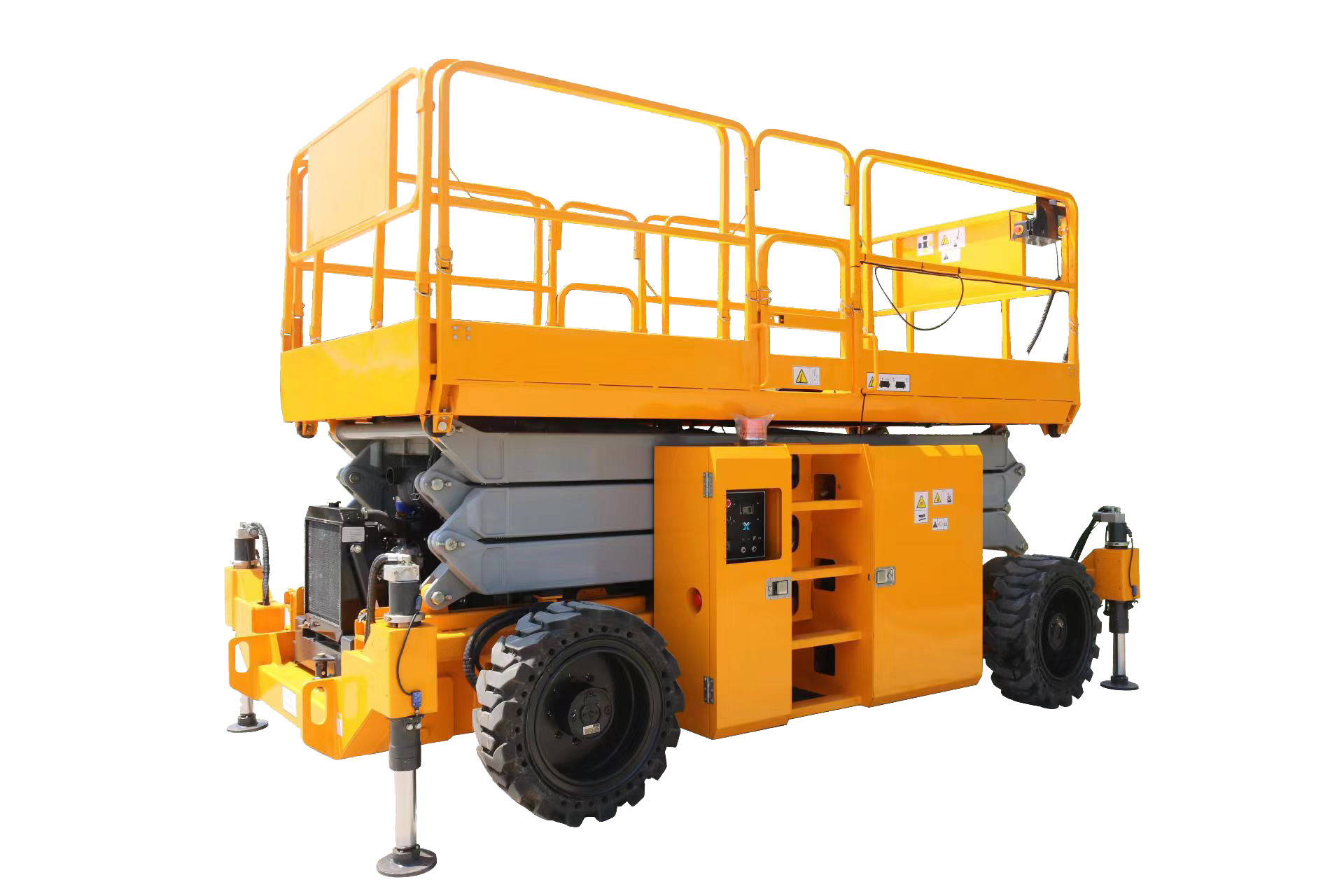
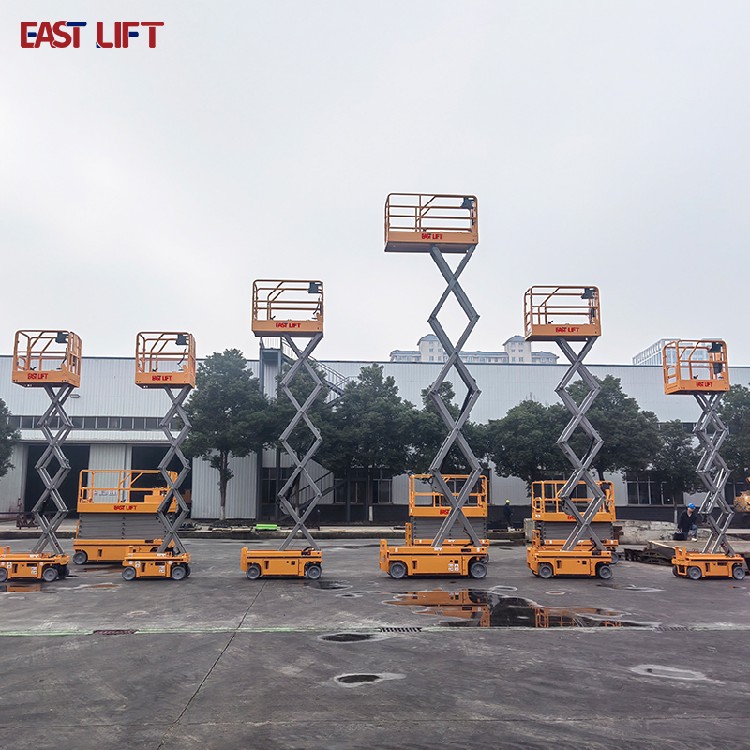
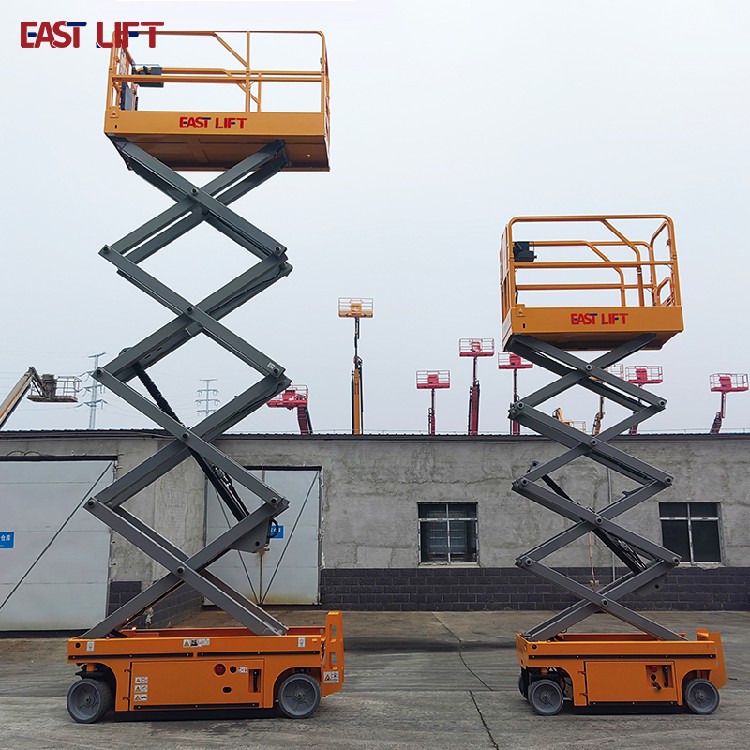
- Scissor Lifts (6–14m): Most vulnerable to seasonal swings. Fully occupied in peak seasons yet heavily idle in off-seasons.
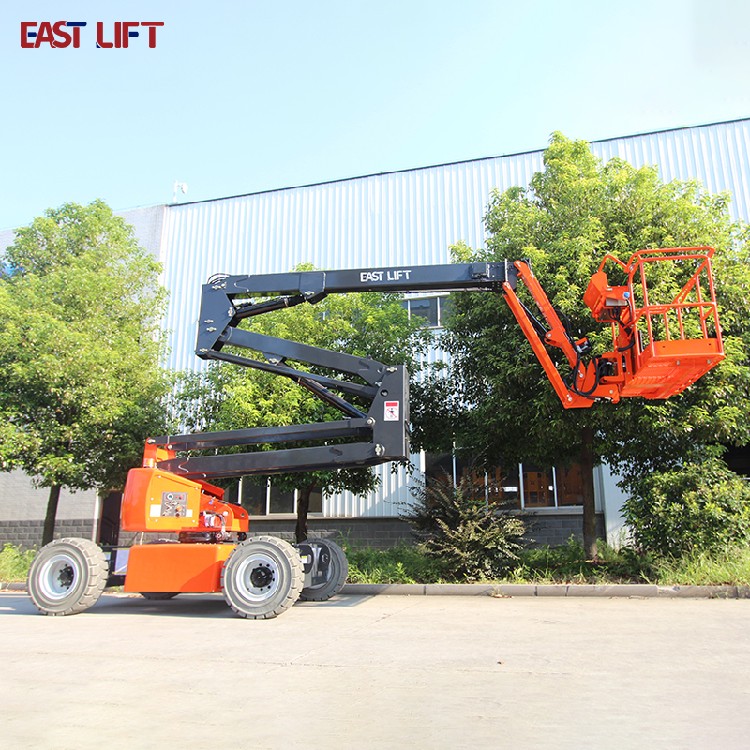
- Boom Lifts (Articulated/Telescopic): More resilient to fluctuations, thanks to steady demand from wind power projects and daily operational maintenance all year round.
- Electric vs. Diesel Units: Electric models maintain stable performance for indoor warehousing and maintenance work unaffected by weather. Diesel units thrive in peak outdoor construction seasons but struggle in off-seasons.
2. Equipment & Outlet Management: Flexible Allocation + Cross-regional Deployment to Balance Supply and Demand
2.1 Fleet Structure Optimized for Anti-fluctuation
- Core Fleet (60%–70%): 8–12m electric scissor liftsWidely used for interior renovation, warehouse operations and mall maintenance. They deliver stable performance in off-seasons with an annual occupancy rate above 70%.
- Balancing Fleet (20%–25%): 12–20m electric articulated boom liftsIdeal for municipal road maintenance, exterior wall works and community renovation. Consistent demand throughout the year offsets market downturns in Q1 and Q4.
- High-profit Fleet (10%–15%): 24–45m telescopic boom lifts + spider liftsMainly for wind power projects, large-scale curtain wall installation and steel structure construction. These units generate high profits in peak seasons and secure stable revenue via long-term contracts with key clients in off-seasons.
- Diesel Unit Control: Limit diesel equipment proportion to no more than 20%, retaining only diesel telescopic boom lifts above 18m for large outdoor projects in peak seasons.
2.2 Cross-regional Equipment Deployment
- Q1: Relocate idle equipment from North China (Beijing-Tianjin-Hebei, Northeast China) to South and Southwest China (Guangdong, Guangxi, Yunnan, Hainan) for municipal engineering, photovoltaic construction and factory renovation. This can lift the local occupancy rate from 40% to over 65%.
- Q3: Affected by rainy seasons in the south and fine weather in the north, prioritize deploying boom lifts to wind power bases in North and Northwest China to capture high-value orders.
- Deployment Principles: Keep one-way transportation distance within 500km, and ensure single-unit freight cost does not exceed 15% of the monthly rental fee; suspend deployment if the threshold is exceeded.
2.3 Outlet Layout: Central Warehouses + Satellite Points
- Peak Seasons (Q2/Q3): Set up temporary satellite service points near concentrated construction sites to shorten equipment delivery time and capture high-margin short-term rental orders.
- Off-seasons (Q1/Q4): Consolidate outlets into core central warehouses to conduct unified maintenance and cut venue costs.
3. Client & Pricing Strategy: Secure Long-term Contracts + Tap Off-season Rigid Demand to Avoid Cut-throat Price Competition
3.1 Client Segmentation
- Major Clients (30%–40%): State-owned construction enterprises, leading new energy companies and municipal service platformsLaunch 6–12 month long-term framework agreements in off-seasons with rental rates 10%–15% lower than peak levels. These contracts lock in 60% of annual capacity and guarantee steady revenue.
- Small & Medium-sized Clients (50%): Local installation teams, decoration companies and maintenance service providersOffer 1–3 month medium-term rentals at market prices in peak seasons. Roll out preferential policies such as Rent for 3 months, get 1 month free and 10% discount on monthly rentals in off-seasons to improve equipment utilization.
- Key Off-season Demand Sectors:
3.2 Seasonal Pricing Mechanism
- Peak Seasons (Q2/Q3): Raise rates by 10%–15% for scissor lifts and 15%–20% for boom lifts. Prioritize short-term rentals and reject low-price long-term orders.
- Off-seasons (Q1/Q4):
- Electric Equipment: Prices hold firmer in off-seasons due to stable indoor demand, 5%–10% higher than diesel equivalents.
4. Operation & Finance: Concentrated Maintenance + Cost Control + Asset Revitalization in Off-seasons
4.1 Centralized Off-season Maintenance to Ensure Zero Failures in Peak Seasons
Arrange full-scale equipment maintenance, annual inspections, repainting and refurbishment in Q1. Reduce the equipment failure rate from 5% in peak seasons to below 1%. Follow the operational rhythm of securing orders in peak seasons and maintaining equipment in off-seasons to avoid revenue losses caused by on-site breakdowns.
4.2 Cost Control: Slash Variable Costs and Allocate Fixed Expenses Reasonably
- Venue: Merge storage yards and reduce space in off-seasons to cut rental costs by 30%–50%.
- Manpower: Hire temporary operators and dispatchers in peak seasons; retain core teams and arrange rotational training and leave in off-seasons.
- Transportation: Combine shipments and carpool for equipment relocation in off-seasons, lowering single-unit freight costs by 20%–30%.
4.3 Asset Revitalization to Reduce Idle Losses
Sublet scissor lifts idle for more than 3 months to local small rental companies, or sell second-hand units to recover capital. Phase out early lithium-powered equipment with outdated technology and short battery life in off-seasons to prevent long-term occupation of venues and funds.
5. Digitalization & Industry Alliances: Data Forecasting + Inventory Sharing to Mitigate Risks
5.1 Data-driven Demand Forecasting
Adopt IoT systems to monitor real-time occupancy, order volume and equipment location across regions, and build seasonal prediction models. Reserve boom lifts for wind power and curtain wall projects 2 months in advance for Q3 peak demand; connect with municipal clients ahead of Q1 to prepare for equipment deployment.
5.2 Regional Alliances for Small & Medium Rental Businesses
Join regional equipment sharing platforms to mutually deploy idle units in off-seasons, cutting the idle rate by 10%–15%. Unify quotation and jointly take orders in peak seasons to curb malicious price competition.
6. Annual Action Checklist
Q1 (Jan–Mar, Off-season)
Relocate equipment from North China to South & Southwest China
Carry out full-scale equipment maintenance, inspection and refurbishment
Launch long-term rental framework agreements to secure major clients
Develop off-season demand from warehousing and industrial maintenance sectors
Merge storage yards and control operational costs
Q2 (Apr–Jun, Recovery)
Gradually redeploy equipment to northern regions for peak season preparation
Focus on 1–3 month medium-term rentals with gradual rate hikes
Add temporary service outlets to capture market orders
Q3 (Jul–Sep, Peak Season)
Prioritize supplying boom lifts to high-value wind power and curtain wall projects
Prioritize short-term rentals with 15%–20% rate increases
Deploy temporary satellite points for rapid response
Strengthen daily maintenance to prevent equipment failures
Q4 (Oct–Dec, Decline)
Retain equipment in southern regions and scale down operations in the north
Launch off-season rental packages to stabilize small and medium clients
Prioritize payment collection and control account periods
Conduct asset inventory and dispose of outdated equipment