EASTLIFT
Product description
Essential Contents of Aerial Work Vehicle Risk Assessment Report
Basic Information
- Equipment model, specifications, purpose, applicable working conditions
- Assessment date, assessor(s), basis and standards
- Scope of application (working height, load capacity, environment)
Applicable Laws, Regulations and Standards
- Domestic: GB 7258, GB/T 37669, etc.
- International: EN 280, ANSI, relevant ISO standards
- Regional regulations (CE, EPA, customs / commodity inspection requirements)
Structure and Function Description
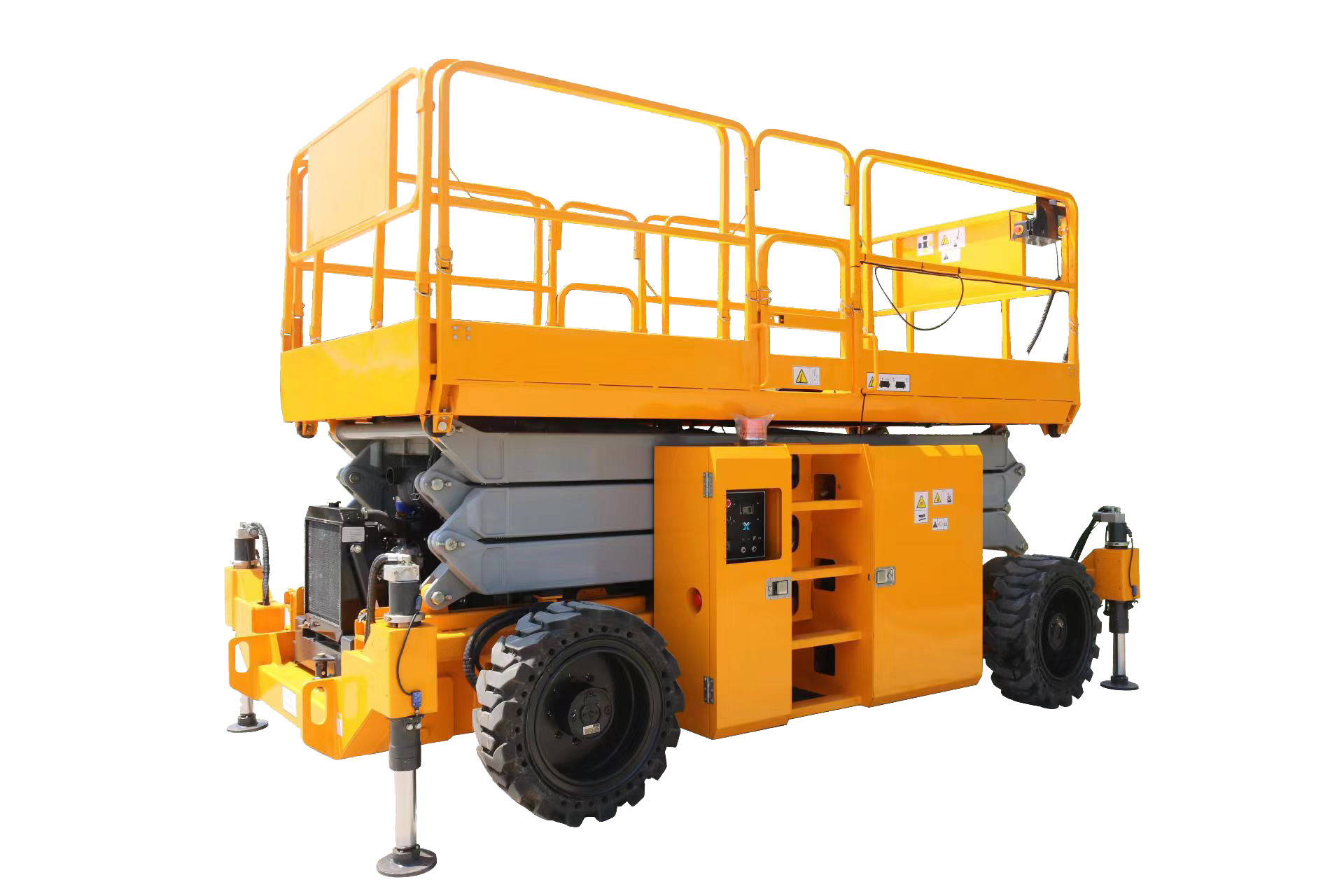
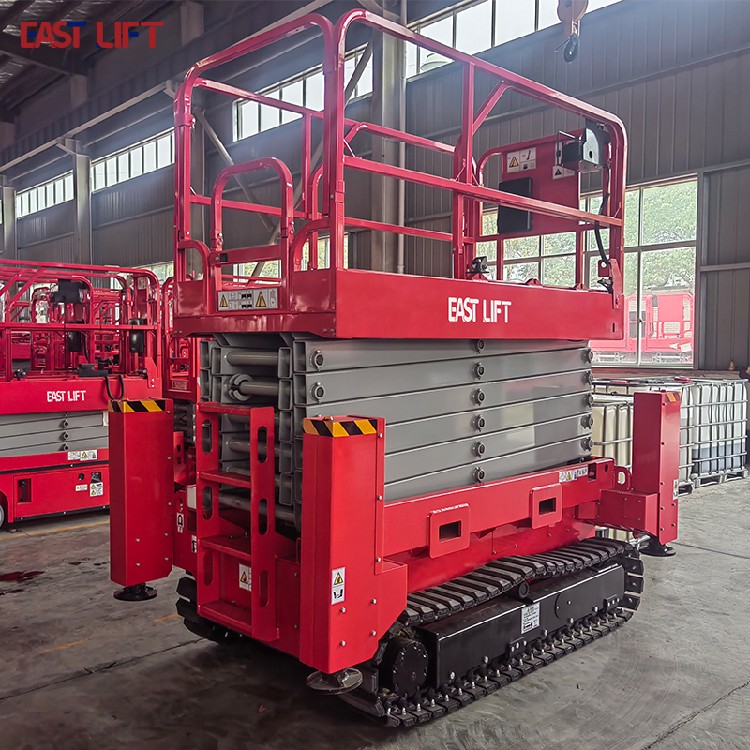
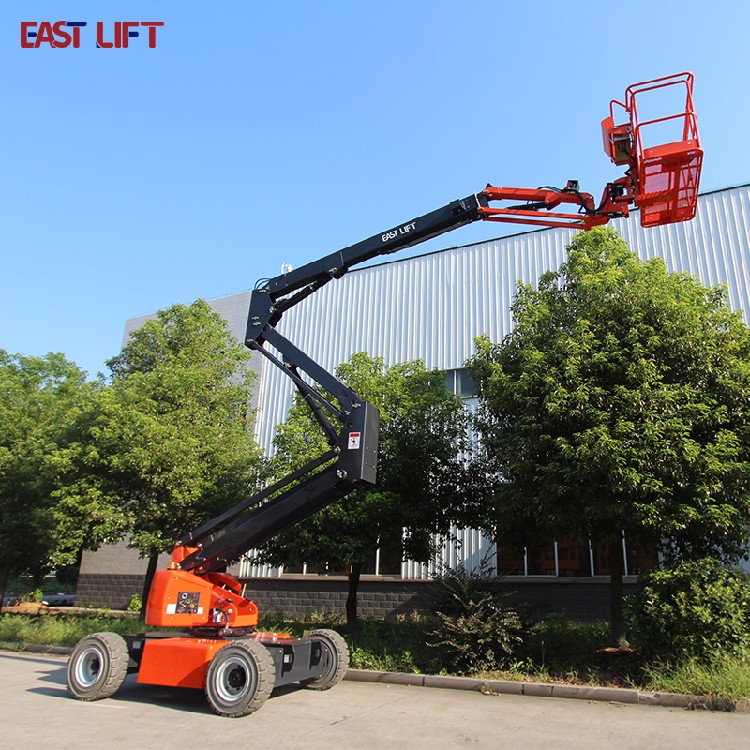
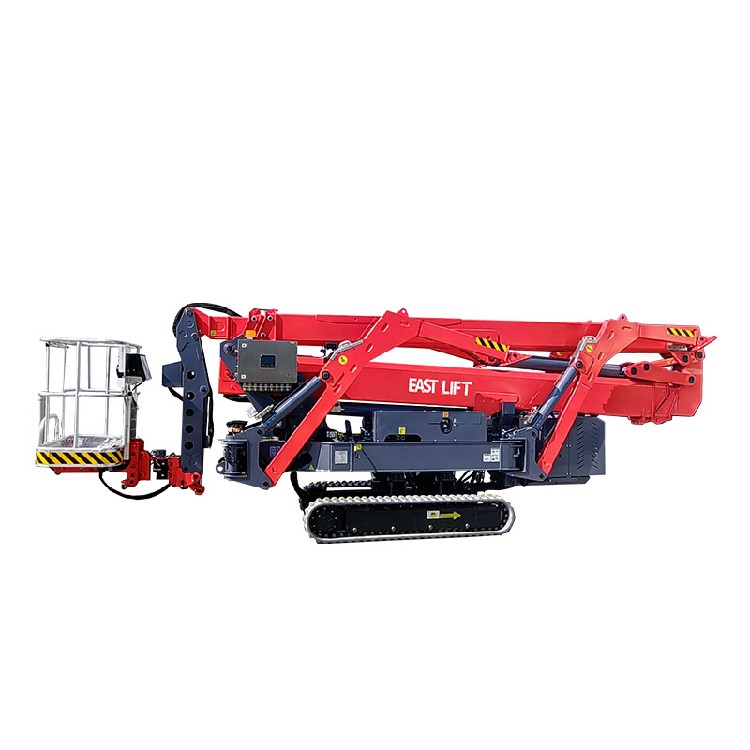
- Boom, outriggers, slewing mechanism, platform, hydraulic system, electrical system
- Safety devices: limit switches, tilt sensors, overload protection, emergency stop, anti‑pinch, soft leg protection
- Power system: engine / electric motor, hydraulic system
Hazard Identification (Core)
- Tip‑over risk (outriggers not extended, uneven ground, overloading, strong wind)
- Fall from height (platform door not closed, safety belt, insufficient guardrails)
- Crushing / shearing / collision (boom movement, slewing, retraction)
- Electric shock (working near high‑voltage power lines)
- Fire, hydraulic oil leakage, hot surfaces
- Out-of-control, malfunction, incorrect operation
- Maintenance and repair risks
Risk Analysis and Risk Level
- Probability + Severity → Risk level
- List: Hazard → Consequence → Existing measures → Risk level
Risk Control Measures
- Design control (safety locks, limiters, tilt sensors)
- Warning signs (labels, stickers, operating instructions)
- Operational control (outrigger specifications, wind speed limits, ground requirements)
- Training and qualification
- Maintenance and inspection system
Residual Risk Assessment
- Risks remaining after implementation of control measures
- Clearly inform users of mandatory safety rules
Usage Restrictions and Prohibited Conditions
- Maximum allowable wind speed
- Prohibition on working on slopes, soft ground, under high‑voltage lines
- Prohibition on overloading, standing on guardrails, throwing objects
Operational Safety Requirements
- Operator qualification
- Pre‑shift inspection items
- Outrigger extension requirements
- Standard operating procedures
- Emergency operation (emergency stop, lowering, rescue)
Maintenance and Overhaul Requirements
- Daily inspection
- Periodic maintenance
- Replacement of wearing parts
- Troubleshooting
Emergency and Rescue Plan
- Rescue for personnel trapped at height
- Emergency lowering in case of equipment failure
- Accident handling procedures
Risk Assessment Conclusion
- Whether the overall risk is acceptable
- Whether the requirements of applicable standards are met
- Final conclusion and signature
Contact Now